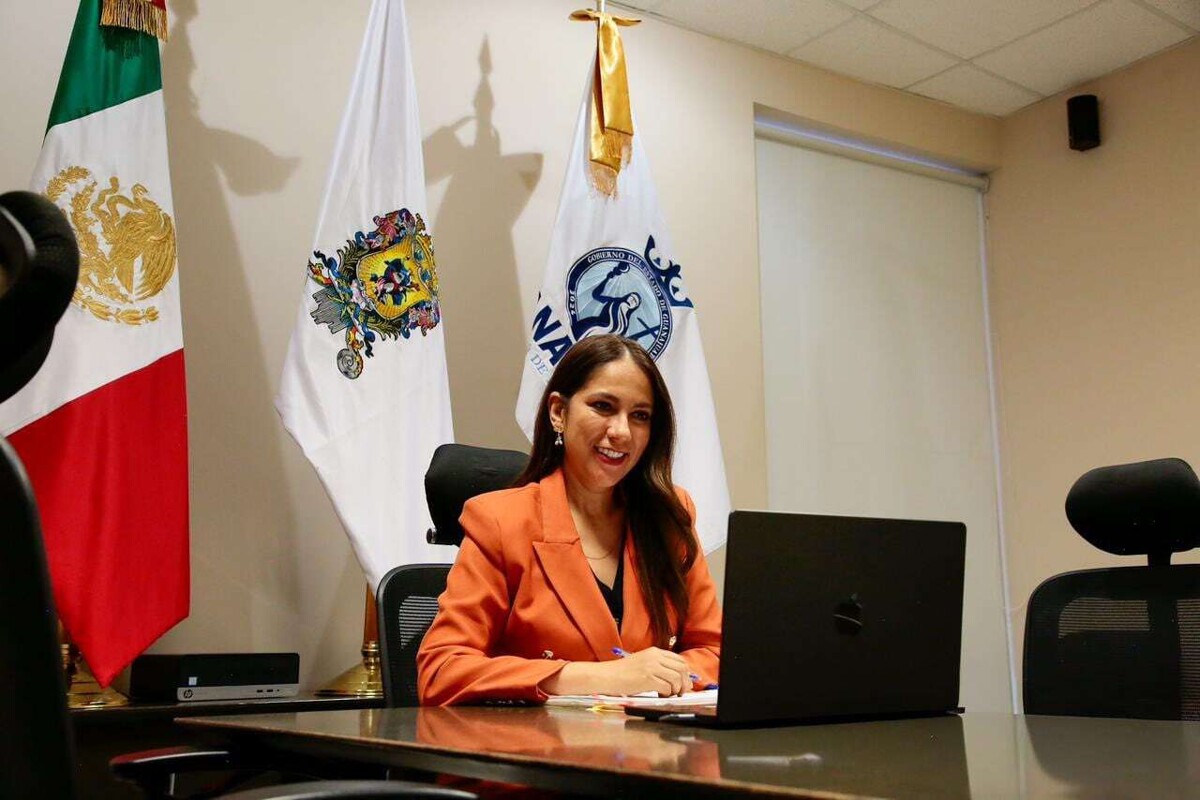
However, the challenge shifts to the territory: how to translate that articulation into effective access to services for women in municipalities far from the state capital. The National Systems for Substantive Equality and for the Prevention, Care, Sanction, and Eradication of Violence against Women are coordination mechanisms between the three levels of government — federal, state, and municipal — that articulate policies, programs, and actions to guarantee women's rights. According to the General Law for the Equality between Women and Men, it is an organized set of institutions, relationships, and procedures that seek to promote, respect, protect, and guarantee substantive equality, as well as prevent and address gender-based violence through inter-institutional collaboration and linkage with society. Guanajuato joined the new national strategy to prevent and eradicate violence against women, following the participation of the governor in the launch of the National Systems for Substantive Equality and for the Prevention and Eradication of Violence, led by President Claudia Sheinbaum. "This is a struggle that does not stop," stated the state head, highlighting the commitment to guarantee a life free of violence. The message comes at a time when the state is advancing in institutional coordination with the federation, and in the case of Guanajuato, the data opens another area for opportunity. The state is one of the 10 entities that operate with a single Women's Justice Center (CJM), within a national network of 76 centers distributed throughout the country according to a report published today by INEGI. In Guanajuato, this single center is located in Irapuato and was inaugurated in 2016. The condition is not exclusive, but it is relevant due to the size of the state. With more than six million inhabitants, Guanajuato shares this characteristic with less populous entities, which places the debate not only on the existence of the model, but on its scale. Meanwhile, other central states have opted to expand their territorial coverage. Jalisco operates five centers; San Luis Potosí, four; and the State of Mexico has also decentralized care in different regions. The contrast points to the same model but with different implementation speeds. Integration into the national systems reinforces coordination between government levels.