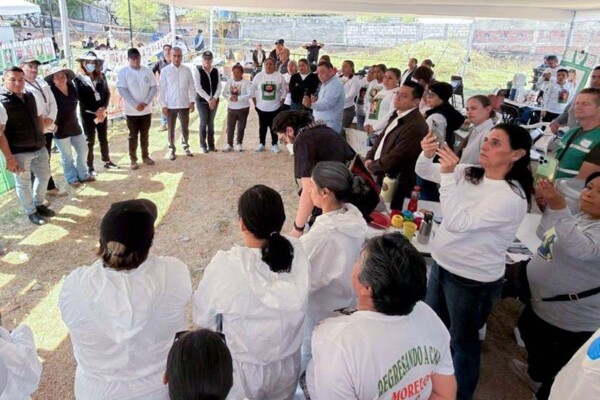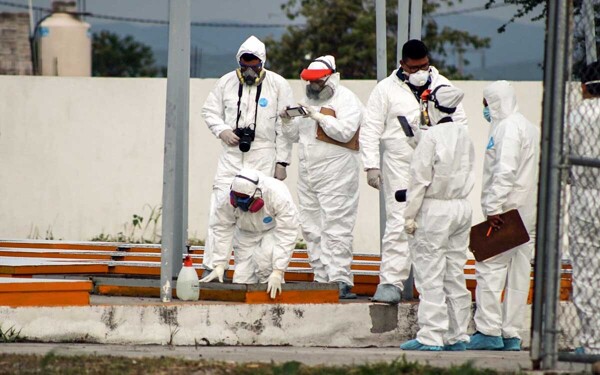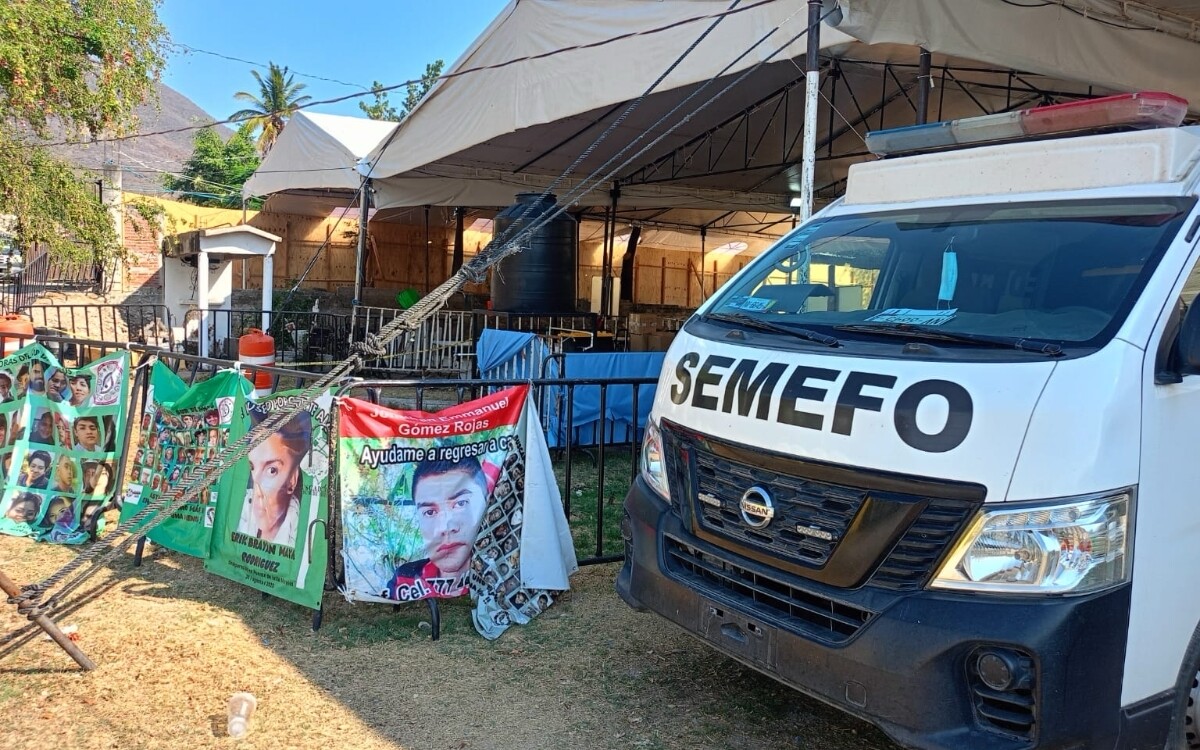
Collectives of families of missing persons reported that during the fourth week of work and the fifth exhumation in the graves of Jojutla, Morelos, between 12 and 15 bodies, as well as bone remains, have been located. "Around 300 bodies lost the opportunity to leave their fingerprint," they stated. They added that although the process is advancing with greater technical order, the pace remains slow. "I think we are going a bit slow, but it is appropriate for the bodies to be exhumed with dignity," they expressed. The collectives indicated that there is not yet an official consolidated figure of identified individuals, as the individualization process continues in the laboratory, and they announced that they will prepare their own report to document the findings and build an alternative narrative due to the lack of complete information from the authorities. By Estrella Pedroza. Collectives of families of missing persons informed that, during the fourth week of work and the fifth exhumation diligence in the graves of Jojutla, Morelos, between 12 and 15 bodies, as well as bone remains, have been located. "Around 300 bodies lost the opportunity to leave their fingerprint," they stated. They added that although the process is advancing with greater technical order, the pace remains slow. Activist Amalia Hernández Hernández, spokesperson for the Tetelcingo and Jojutla collective, explained that the estimate of recovered bodies is not yet definitive and that the count remains under review due to the way the findings are being classified. "There could be between 12 or 15 bodies, in addition to bone remains," she stated. She added that the modification in the nomenclature used for the registration of evidence has complicated the individualization of the remains located in the graves. "There was a change in the nomenclature to be able to absolutely identify everything that is coming out of the exhumations, which makes it more complicated," she said. Regarding the preliminary findings, she specified that remains of women and infants have been identified, although the data is still in the process of confirmation in the laboratory. They denounced delays in the work and non-compliance by prosecutor Fernando Blumenkron in delivering the comprehensive exhumation plan. The work is being carried out in the municipal Pedro Amaro cemetery, where there are common graves in which the Morelos Prosecutor's Office carried out irregular burials for years, according to information provided by the collectives themselves. At the site, relatives and representatives of search collectives participate, who indicated that progress has been slow due to the condition of the remains and adjustments in the registration methodology applied during the proceedings. In this context, the collectives accused that, despite the fact that the head of the State Attorney General's Office (FGE) committed to deliver the comprehensive exhumation plan, it has not been presented, under arguments they considered flimsy and without sufficient technical support, which has generated uncertainty in the development of the proceedings. For her part, Edith Hernández Torres, from the Regresando a Casa Morelos collective, pointed out that the intervention of federal instances and specialists has incorporated disciplines such as anthropology, genetics, forensic medicine, and dactyloscopy into the identification process. She explained that dactyloscopy is a relevant tool in human identification, although she warned that in previous interventions it was not always applied, which could have implied the loss of information. "Infants, I think there are two so far; women, the same, I think they are two," she pointed out.