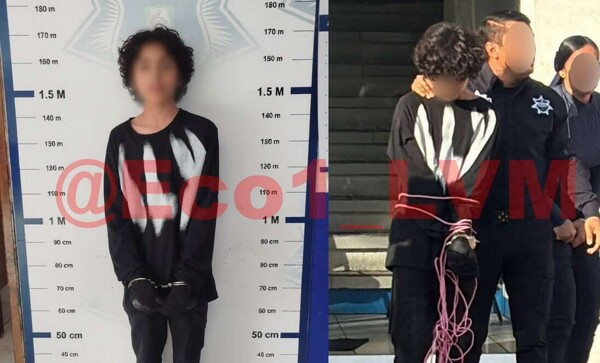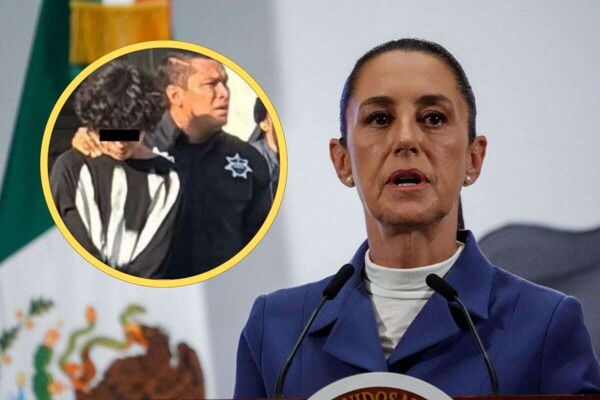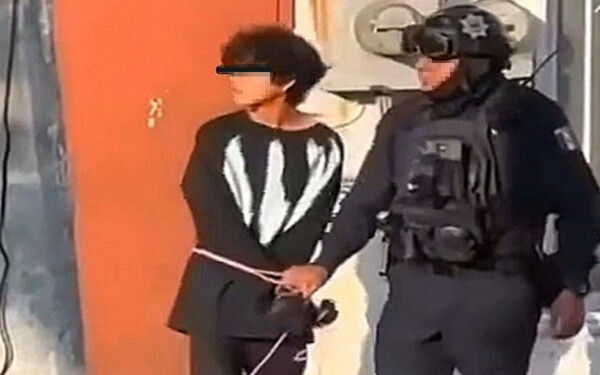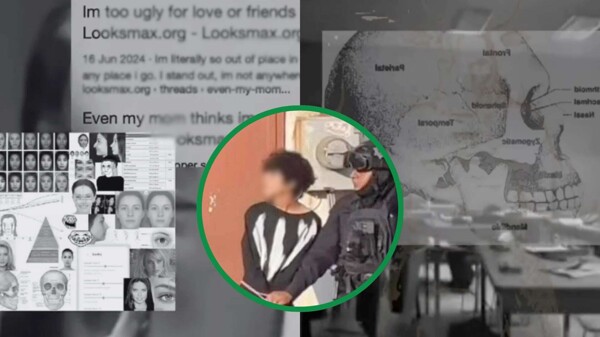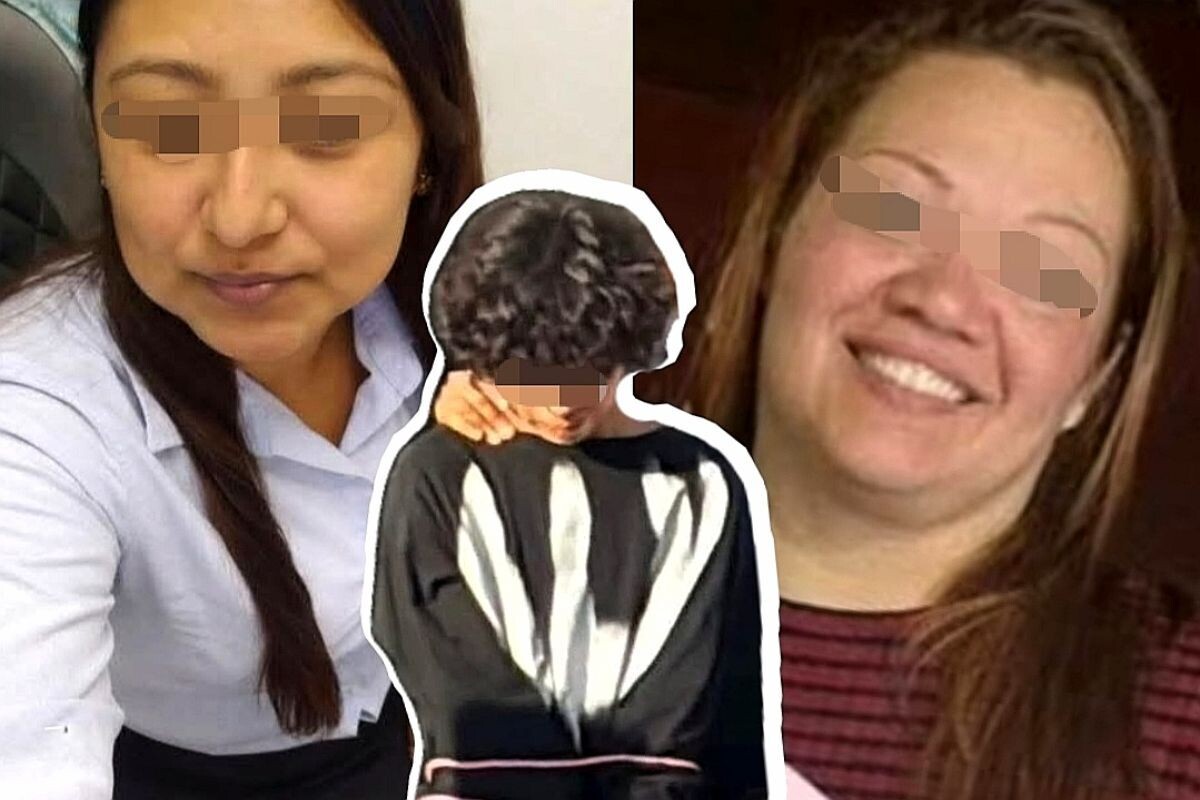
Families of the teachers killed at the Anton Makarenko high school in Lázaro Cárdenas, Michoacán, demanded that the 15-year-old teenager identified as Osmer “N” be tried as an adult. This demand followed the armed attack on the campus, which resulted in the deaths of Mariana Del Rosario “N” and Tatiana “N”. The main demand came from the victims' relatives, such as Christian “N”, brother of teacher Tatiana “N”, who asked the Michoacán Prosecutor's Office and the Judicial Power to try the perpetrator as an adult, considering it a planned act and not an impulsive one. In an interview with the media, he stated that the teenager had previously shown skills in handling high-powered weapons on social networks, which, in his view, demonstrates a degree of awareness of the consequences of his actions. He also said this reinforces the need for the case not to be handled solely under the juvenile justice system. At the wake for teacher María del Rosario Sagrero, her husband, Francisco Delgado Madrigal, demanded justice from the authorities so that the case, which left a girl orphaned, would not go unpunished. He also considered it necessary that the teenager accused of the attack be tried as an adult, given that it was an extremely serious event that occurred within the school. “The one who carried out the attack is a minor, but there must be authorities who, even if he is a minor, intervene and determine what must be done, justice is what must be done.” Authorities reacted to the attack. In an interview about the case, the governor of Michoacán, Alfredo Ramírez Bedolla, stated that from the very first moment, institutional actions were activated to assist the victims' families and follow up on the case. “We are working, yesterday I gave instructions, the Secretary of Government, Raúl Cepeda, was very attentive, Secretary Gaby Molina, we acted immediately, the Victims' Commissioner has been with the families since yesterday; immediate instructions were given for him to personally attend to the victims,” he noted. The governor added that the case must lead to a social reflection on the supervision of adolescents and the environment in which they develop, pointing out that there are indications that the aggressor may have participated in groups with anti-feminist and misogynistic content on social networks. “Violence gets us nowhere.” Meanwhile, the Secretariat of Public Education (SEP) lamented the events that occurred within the school and expressed its solidarity with the victims' families and the school community. It added, “We reaffirm our commitment to building safe and violence-free school environments. With preventive strategies and attention to socio-emotional training, we seek to make schools spaces for peace.” It also called on “all sectors: students, teachers, administrators, workers, fathers and mothers of the family to make efforts together to strengthen our school communities.” For its part, the Anton Makarenko high school issued a statement in which it deeply regretted the murder of the two teachers and expressed the impact on its educational community. “With deep pain and a sadness that is impossible to describe, our Makarenko High School laments the sensitive passing of our colleagues María del Rosario and Tatiana Bedolla,” the institution stated. It added that “their departure represents an irreparable loss for our High School, today they not only took two colleagues from us, but two lives that were part of our history, our day-to-day, and the essence that unites us as an educational family.” The statement called on the student community to remain united and support each other in grief, stating that “today more than ever, we must remember that we are a community that cares for, accompanies, and supports each other in the most difficult moments.” Meanwhile, state authorities continue with the investigations to accurately determine the mechanics of the attack, the type of weapon used, and the legal situation of the detained teenager. In Michoacán, the Penal Code establishes in its article 14 that its provisions only apply to people over 18 years of age, so minors who commit criminal acts cannot be tried as adults. In these cases, adolescents are prosecuted under the Juvenile Criminal Justice System, which provides for socio-educational measures and, in serious crimes such as homicide, the possibility of internment in specialized centers.