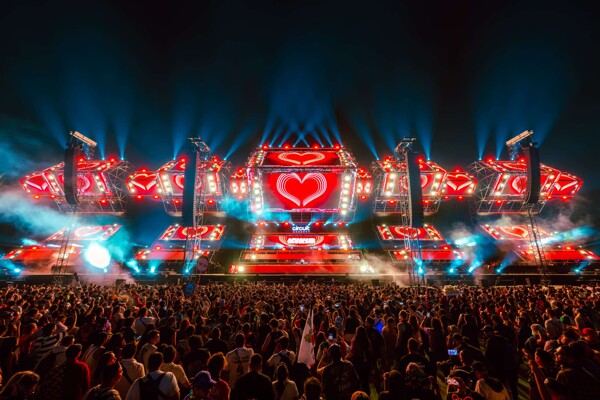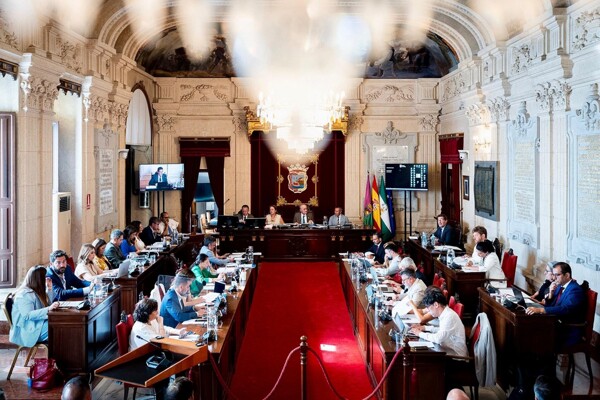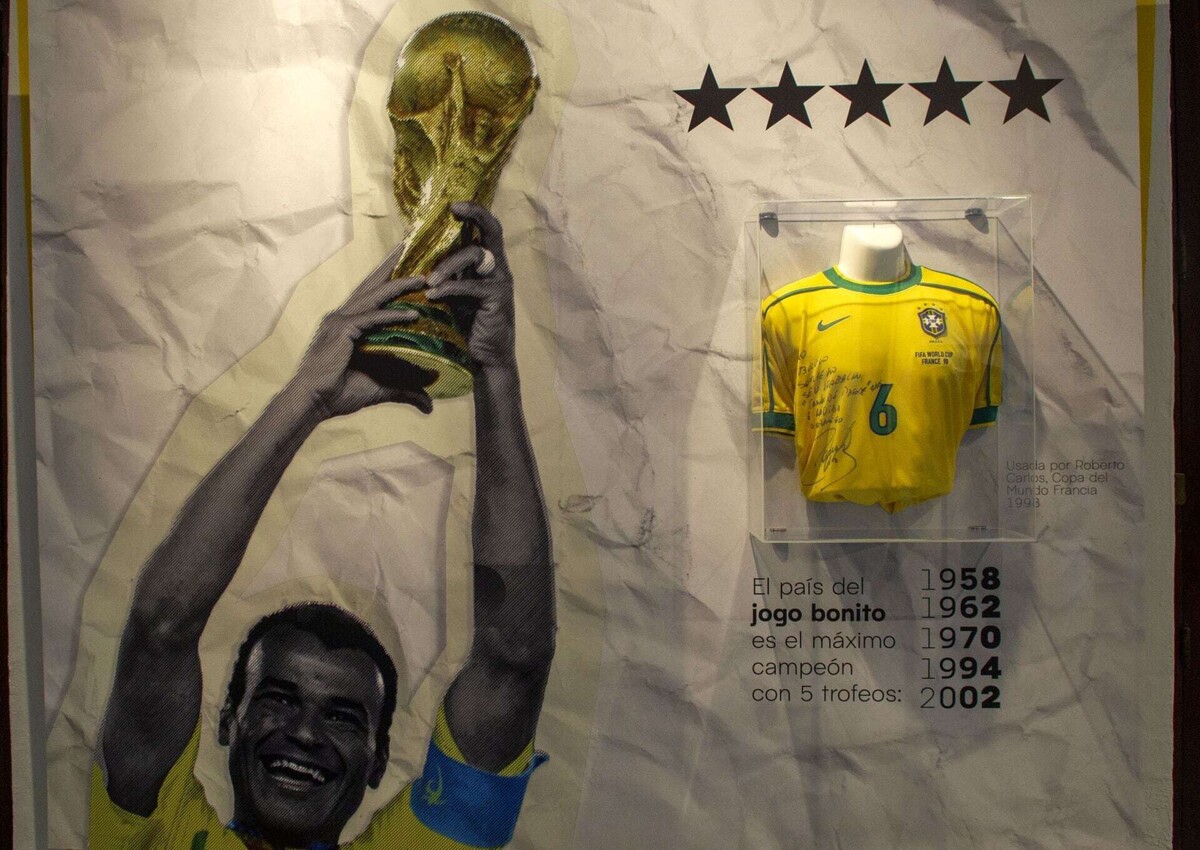
Mexico City will become a great cultural stage. As Clara Brugada stated, as part of this strategy, massive activities will be promoted, such as: The world's largest wave (May 31), A cultural parade (June 6), Historical exhibitions and immersive experiences. Additionally, the concept of a 'social World Cup' is sought to be replicated, bringing the event closer to all citizens. More than 17 museums and 19 exhibitions will form a cultural corridor. The head of the Culture Secretariat, Ana Francis López, explained that the capital—recognized as one of the cities with the most museums in the world—will leverage its infrastructure to generate reflections on football from multiple perspectives. Among the most prominent exhibitions are: 'Round Goddess' at the Mexico City Museum: it combines football, art, and sustainable textiles; 'The city of three World Cups': a photographic exhibition on 1970, 1986, and 2002; 'Time tunnel' in the Historic Center: a journey through the city's evolution through the World Cups; 'A ball is born' at Zapata Metro: an exhibition on the millennial origin of the ball game. International exhibitions and immersive experiences. The cultural corridor will include 17 museums and over 19 exhibitions, with an expected attendance of over 3 million visitors. Mexico City is preparing to shine before the world not only as a sports venue but as an unprecedented cultural epicenter heading towards the FIFA World Cup 2026, with an agenda that will integrate art, history, science, and tradition. The Head of Government, Clara Brugada, announced that the capital will be 'a great artistic and cultural stage', where football will meet the identity and historical wealth of the city. CDMX: a cultural experience beyond football. During the presentation, the head of government highlighted that the World Cup will not be just a sporting event, but a social, cultural, and urban experience. 'We are building an agenda where football will meet history, culture, and art.' Highlights include: An exhibition by Annie Leibovitz at the National Museum of Anthropology; An exhibition by Leonora Carrington at the Franz Mayer Museum; 'Designing a passion' on football as an aesthetic work; Experiences on science, economy, and society in venues like the Interactive Museum of Economy. Spaces such as the Yancuic Museum, Museum of Memory and Tolerance, the Jumex Museum, and the Papalote Children's Museum will also participate, with activities for all ages. Reopening of the Dolores Olmedo Museum, a key piece. One of the most relevant announcements is the reopening of the Dolores Olmedo Museum, which houses the largest collection of works by Frida Kahlo and Diego Rivera. Mexico City will show its identity to the world. The project also contemplates monumental sculptures, photographic exhibitions at Benito Juárez International Airport, and activations in public spaces, consolidating the capital as an open, diverse, and unique city. 'The ball is coming home,' emphasized Brugada, highlighting the millennial origin of the ball game in Mexico. A cultural legacy that will transcend the World Cup. Authorities stressed that this agenda not only seeks to accompany the sporting event but to leave a lasting cultural legacy that strengthens the city's identity. With this strategy, Mexico City positions itself as one of the main cultural destinations in the world during the 2026 World Cup, where football will also be experienced in museums, streets, and community spaces.