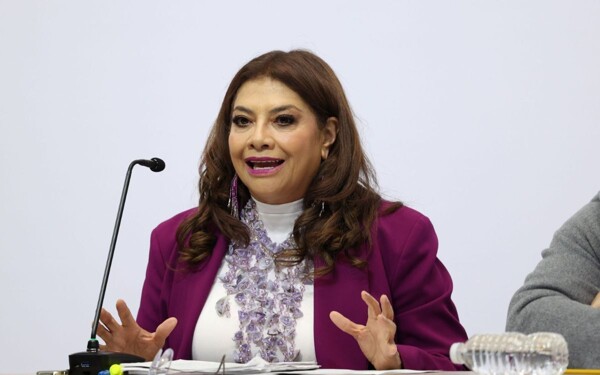
Today, the presence of women in medical faculties has grown significantly in various countries; however, representation in leadership positions, surgical specialties, and decision-making spaces remains unequal. The commemoration of the International Day of the Woman Doctor not only celebrates historical achievements but also invites reflection on the need for equal conditions in the professional sphere, including access to leadership, academic recognition, and equitable working conditions. Women doctors actively participate in primary care, clinical specialties, surgery, biomedical research, and university teaching. One of the central purposes of the commemoration is to foster scientific and medical vocations in girls and young people, showing historical and contemporary role models that demonstrate that medicine is a space for professional development for women in all its areas. The visibility of these models helps to strengthen confidence and expand academic horizons for future generations. February 11 is not just a historical reminder. The commemoration recognizes the historical and current work of women doctors in care, research, and teaching, and highlights the persistent challenges in leadership and equity within the health sector. Despite advances in university enrollment, challenges persist, such as underrepresentation in high-level hospital management positions, salary gaps in some contexts, obstacles to reconciling professional and family life, and a lower presence in certain surgical or technological specialties. The International Day of the Woman Doctor emphasizes the importance of institutional policies that promote equal opportunities and inclusive leadership within the health sector.

Why Health Comes First
The International Day of the Woman Doctor highlights inequality in leadership and surgical roles despite the growing number of women in medicine. The article analyzes their contribution to science, education, and the need for equal conditions for the future of healthcare.