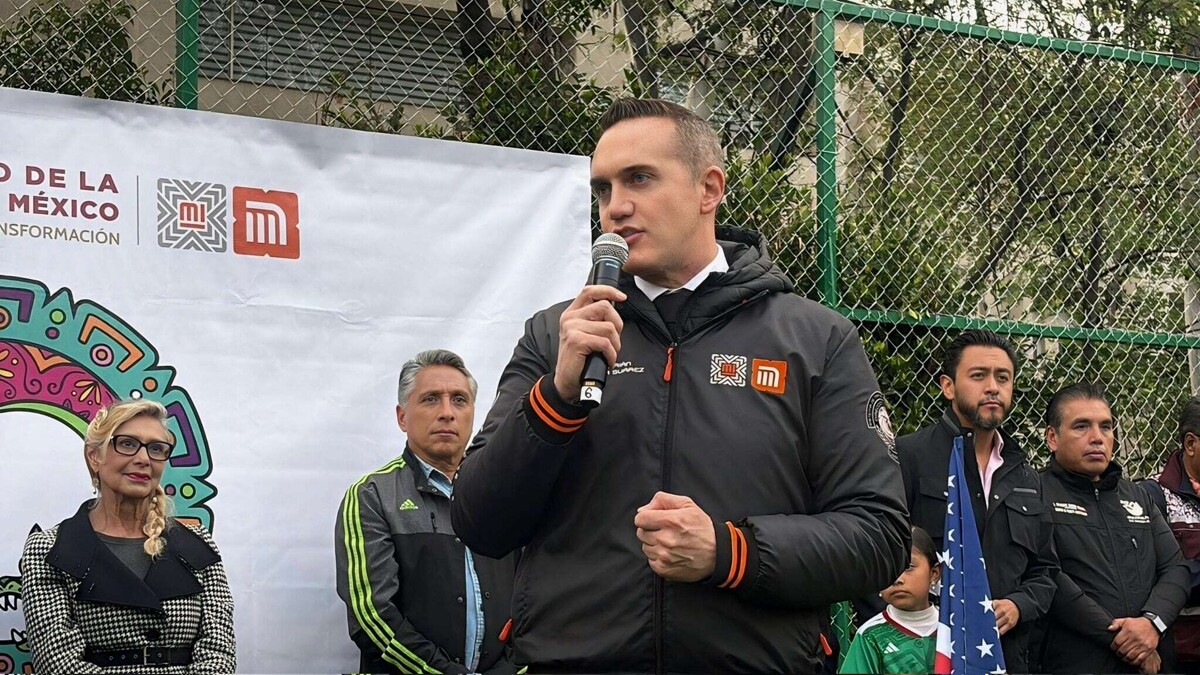
The director of Mexico City's Metro system, Adrián Rubalcava, blamed passengers for the deterioration of the system. He stated that the Metro's budget is "hijacked" and that basic supplies for its operation are missing. The conflict led to an overtime strike that reduced daily runs to 800, affecting millions of users. In an interview with journalist Ciro Gómez Leyva, Rubalcava acknowledged that the Metro is lagging due to years of neglect. "It's a very old system that hasn't received proper maintenance," he said, noting that the trains are not in optimal condition and require urgent modernization. He also held users partially responsible for the wear and tear, stating: "Generally, they don't take care of the trains, they mistreat them or prevent the doors from closing." Meanwhile, union leader Fernando Espino Arévalo warned that the system is "practically collapsed" and that 70% of the trains do not meet international safety standards. However, after resuming dialogue, the union and authorities reached agreements that allowed service to be fully restored. Key commitments include an initial investment of 5 billion pesos to address urgent failures as part of a broader plan promoted by the city government.