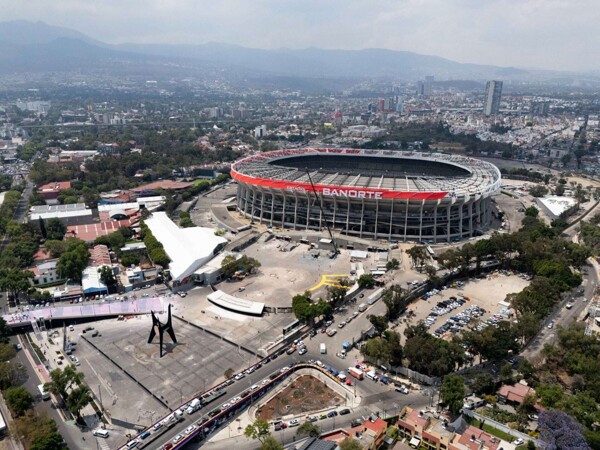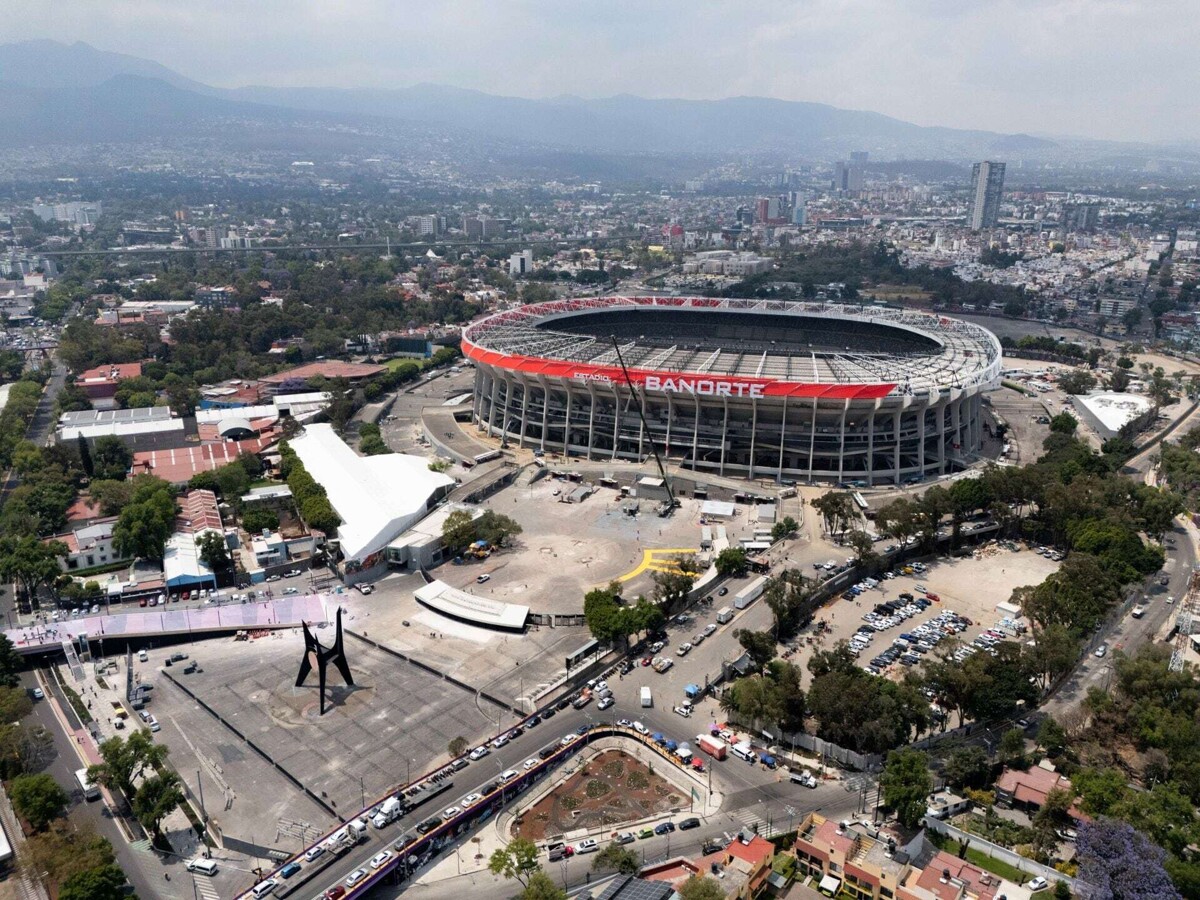
A major security deployment is being prepared around the Azteca Stadium for the highly anticipated match between Mexico and Portugal on March 28th, amidst a tense atmosphere that has been growing on social media. Protests aiming to boycott the game have gone viral on various platforms, causing concern among both authorities and organizers. These demonstrations are reportedly led by local residents from the surrounding areas, who are denouncing issues such as water scarcity, gentrification processes, and alleged acts of repression, factors that have increased social discontent in the zone. In response to this situation, the federal government and the government of Mexico City are said to have a containment plan ready to prevent any public order disturbance that could affect the match. According to journalist Carlos Ponce de León, a security perimeter of approximately one kilometer will be established around the now-named Banorte Stadium. Access to this area will be strictly for pedestrians. The entry of private vehicles or ride-hailing services like Uber or Didi will not be permitted, so strategic drop-off points for passengers have been set up, such as Viaducto Tlalpan and Paseo Acoxpa. Only those who live in the area, people with medical emergencies, or fans with tickets will be allowed to enter. With no parking available due to road closures, attendees will be forced to walk or use public transport. Furthermore, to guarantee security on the periphery, the 'Last Mile' operation will be implemented, which will include road closures starting at 6 AM on Saturday. Finally, fans will have to pass through multiple security checkpoints, security rings, and extensive metal fences before entering the venue, which is set to become the first in history to host three World Cups.