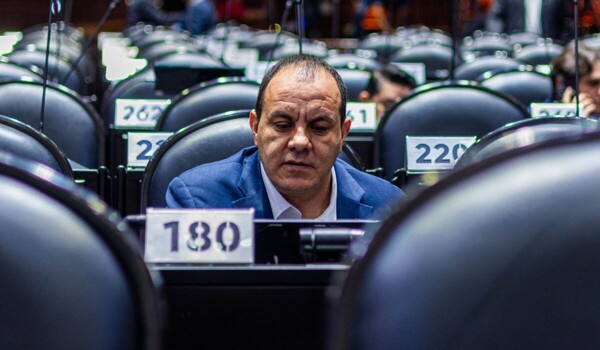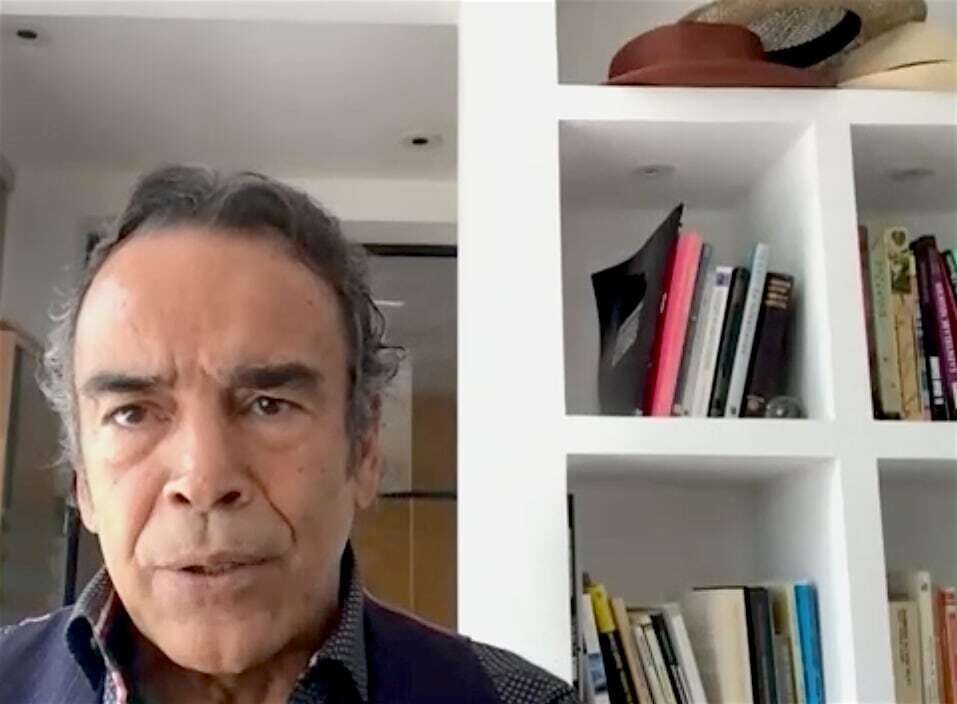
The reopening of the renovated Estadio Ciudad de México (formerly Estadio Azteca) not only resulted in a bitter goalless draw between Mexico and Portugal but also sparked a fierce digital war led by actor Damián Alcázar. While thousands of fans denounced a disastrous organization, the star of 'La Ley de Herodes' chose to attack the opposition, labeling them 'Prianistas' for protesting near the venue. Damián Alcázar mocks the protests after the Estadio Azteca's sold-out show. Through his Facebook account, Alcázar posted a message that ignited social media: 'Prianistas spending on banners while the Estadio Azteca is packed to the brim.' The banners that so annoyed the actor contained messages about insecurity in the country and demands due to the absence of Cristiano Ronaldo, who ultimately did not play in the match. Polarization increased when it became known that while the public dealt with traffic jams and high prices, figures like Cuauhtémoc Blanco arrived at the stadium in license plate-free trucks, ignoring vehicle restrictions. The actor accompanied his criticism with images of the lit-up stadium, questioning those who claim Mexico is not ready for the 2026 World Cup. Alcázar's stance has divided public opinion: is it legitimate support for sporting progress or willful blindness to the flaws of questionable public investment? However, his staunch defense ignored the ordeal experienced by attendees at the event on March 28. While Alcázar celebrated the sold-out crowd, fans reported critical failures in the cashless system, dangerous crowds at the entrances, a total lack of internet connectivity, and poor visibility from various areas of the 'architectural jewel'.