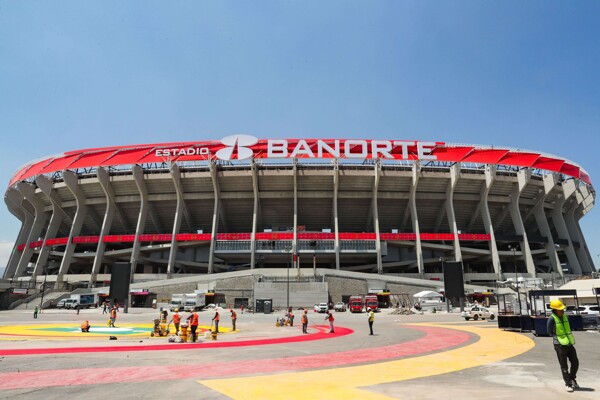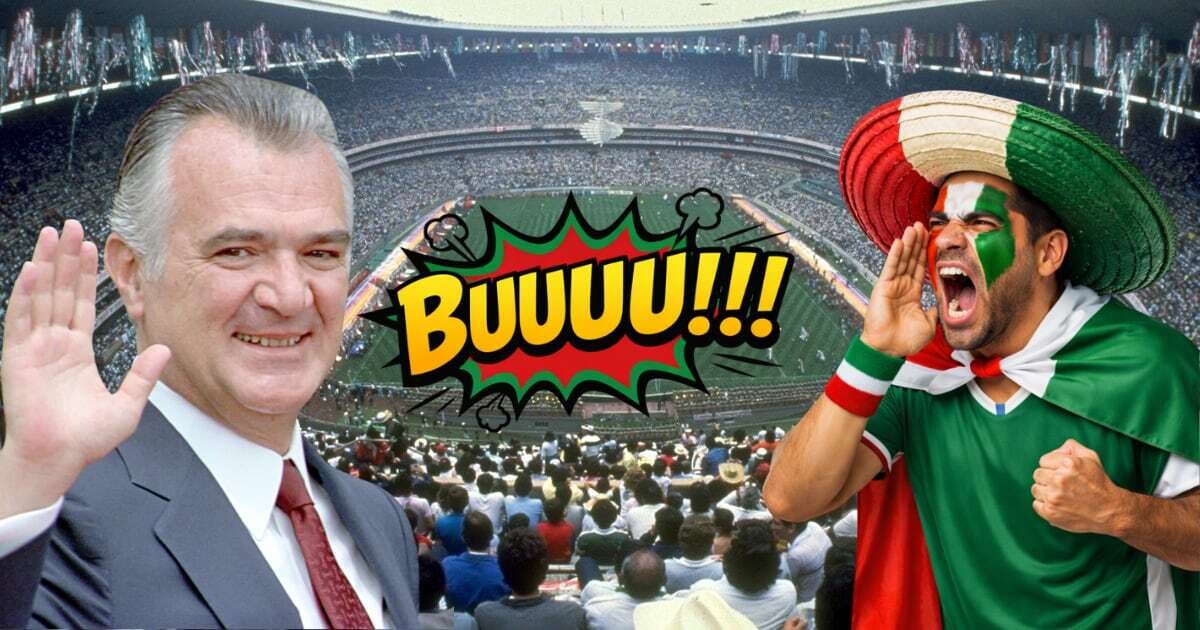
Mexico was chosen as the host country for the 1986 World Cup. This decision was based on several factors. Firstly, Mexico had already hosted the World Cup in 1970, featuring Brazilian legends like Pelé, Jairzinho, and Carlos Alberto. Secondly, the country possessed existing infrastructure, with stadiums that could be used without the need to build from scratch. The combination of existing infrastructure, organizational experience, and responsiveness allowed Mexico to be designated as the host in 1983. However, the tournament's history is also marked by tragedy. On September 19, 1985, an 8.1 magnitude earthquake struck Mexico City and other regions. The disaster left over 6,000 dead and caused significant damage to buildings, hospitals, and homes. Mexico faced significant challenges in preparing for the World Cup after the natural disaster. International experts doubted the country's ability to host the tournament, with some even suggesting moving it to another nation. The government of Miguel de la Madrid initially rejected international aid, stating Mexico could handle the crisis on its own. However, the government's slow response sparked strong public discontent. In this context, civil society played a crucial role in rescue and recovery efforts. It is within this context that one must understand the famous booing of President Miguel de la Madrid during the opening of the 1986 World Cup on May 31 at the Azteca Stadium. For the duration of his speech, boos and insults did not cease. This day is considered a turning point in the relationship between the government, led by the Institutional Revolutionary Party (PRI), and the citizenry, marking the beginning of a decline that led to political changes in 2000. Forty years later, Mexico will once again host a World Cup in 2026, but in partnership with the USA and Canada. However, the context is different. The Coloso de Santa Úrsula stadium will be renamed Estadio Ciudad de México, fewer matches will be held in the country, and there is a feeling that fans are not anticipating the tournament with the same enthusiasm. President Claudia Sheinbaum announced she will give away her ticket for the opening on June 11, where the Mexican national team will face South Africa at the remodeled Banorte Stadium. On that day, the boos may not be directed at the political class, but rather at the Mexican national team, led by Javier Aguirre, amidst the surrounding disillusionment with the team.