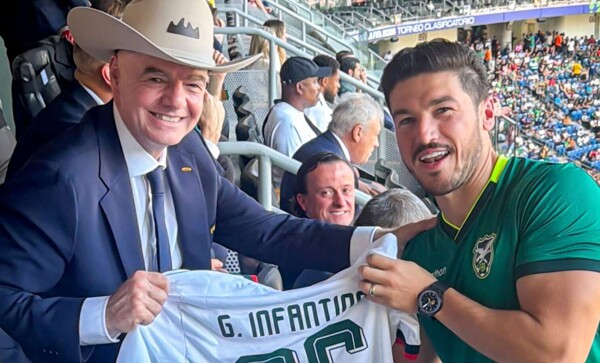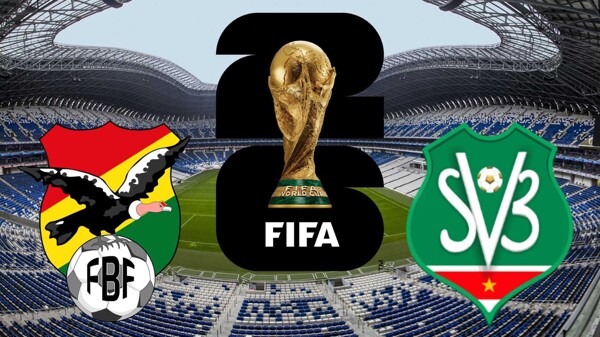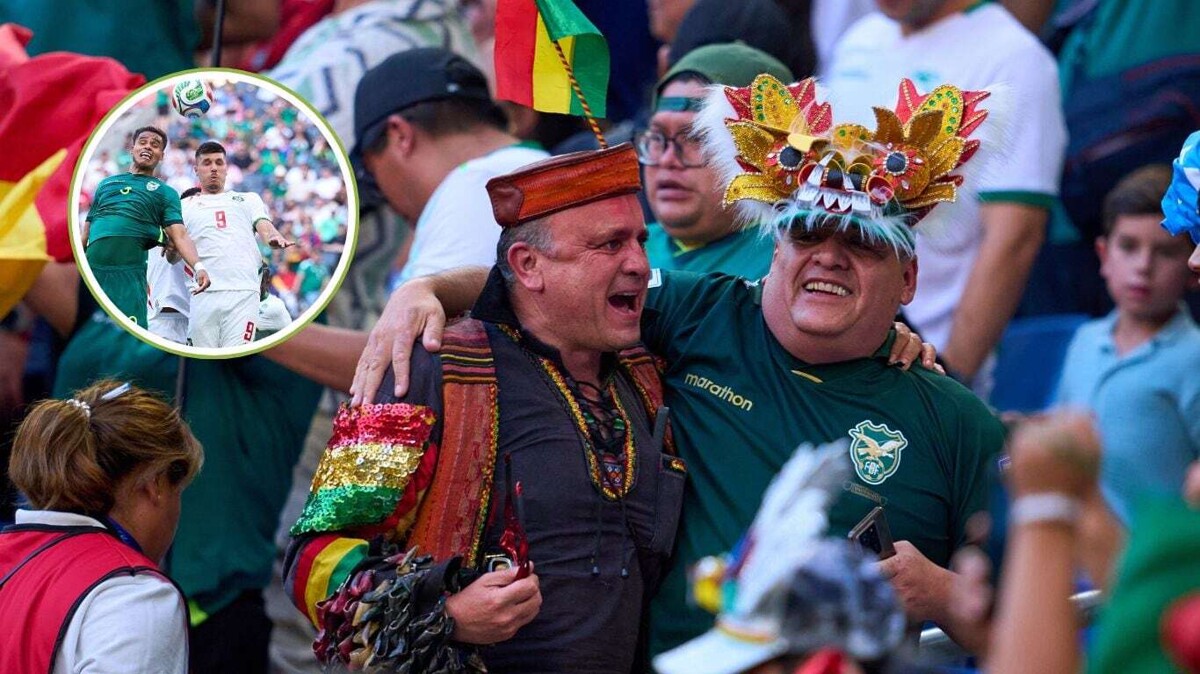
Monterrey took a firm step as a host of the 2026 World Cup by transforming into a true international showcase during the playoff match between Bolivia and Suriname. Beyond the result, the match served as a comprehensive test of organization, logistics, and fan appeal. The diaspora became visible in the streets, hotels, and areas surrounding the stadium, with chants, flags, and celebrations that turned the match into a community experience. This phenomenon evidenced the power of football as a meeting point for migrant communities, who find in these events an opportunity to reaffirm their identity and sense of belonging. The passion in the stands not only accompanied the South American team but also enriched the tournament atmosphere, adding color, noise, and emotion. In strictly sporting terms, the duel between Bolivia and Suriname had a clear and changing development throughout the match. After a goalless first half with few clear chances, the game opened up in the second half when Suriname took the lead in the 48th minute through Liam van Gelderen, who capitalized on a defensive error to score inside the area. Bolivia reacted with offensive adjustments and increased pressure on the opponent's half, which allowed it to regain ground as the minutes passed. The BBVA Stadium showed first-class standards in security, operations, and spectator experience. The presence of Gianni Infantino, accompanied by state governor Samuel García, reinforced the symbolic nature of the event: it was not just a match, but a rehearsal for the biggest event in world football. Monterrey responded with infrastructure, connectivity, and a hospitality narrative that positions Mexico as a key piece in the new era of expanded tournaments. The second great protagonist was the crowd, thousands of followers, especially Bolivians, who transformed the city into a cultural mosaic. The equalizer came in the 72nd minute thanks to Moisés Paniagua, who capitalized on a loose ball in the area after a chaotic play and scored with determination to make it 1-1. The decisive moment came in the 79th minute when Bolivia was awarded a penalty for a foul inside the area. Miguel Tercero took responsibility from the spot and converted with confidence, sealing a 2-1 comeback that would prove to be definitive. In the final minutes, Suriname tried to react, but Bolivia showed defensive solidity and emotional control to close out the match. The result reflected the South American team's ability to respond in a demanding format where every detail can define the fate of a qualification.