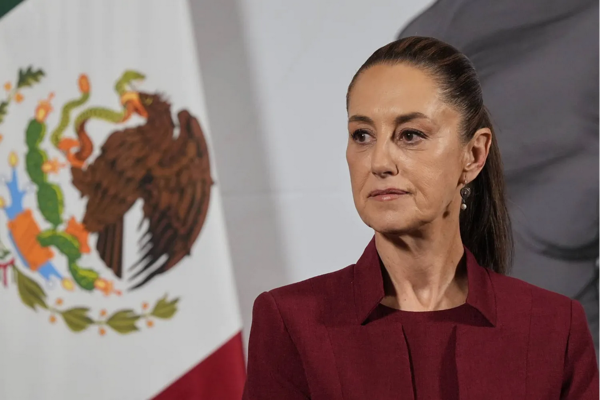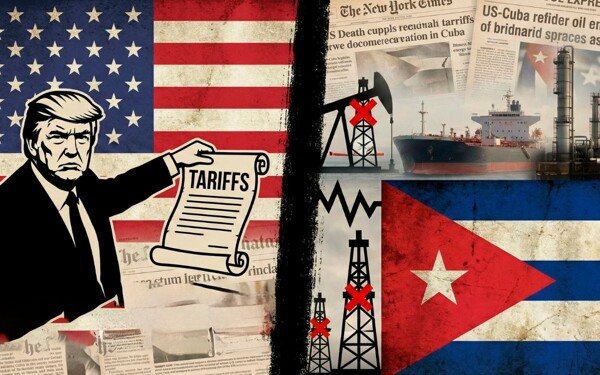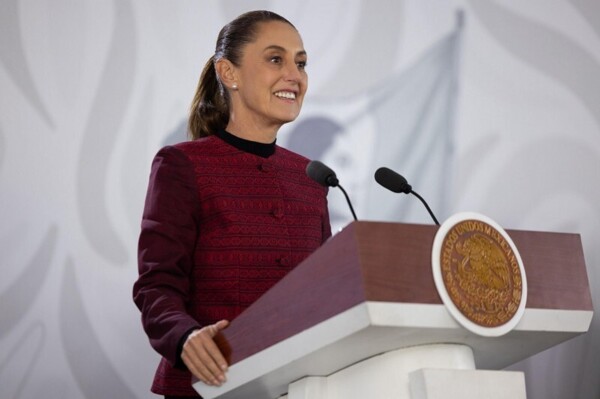
For Mexico, the impact was minor under the same trade agreement, although the automotive, steel, and aluminum sectors still face tariffs of up to 25%. Although the economy also faced internal tensions such as uncertainty over legislative changes to the judiciary, autonomous regulators, and the wait for electoral reform, as well as a contraction in public spending. The first year of Claudia Sheinbaum's government was marked by a weakening of the economy, although it avoided the recession that the market anticipated at the beginning of the year with an annual growth of 0.7%, according to the timely estimate from Inegi. The data published this Friday are slightly above the market consensus, which hovered around 0.4%, according to the survey of specialists conducted by Citi and within the range set by the Treasury between 0.5% and 1.5%, at its lower level. During 2025, the greatest growth was observed in the primary or agricultural sectors - with a lower weight within the GDP - at 3.7%, while the tertiary or services sectors advanced 1.4%, however, industry was the drag on the economy by falling 1.1%. Mexico challenges tariffs: closed 2025 with a surplus of $771 billion due to a record in exports. The better-than-estimated growth is explained by the rebound in the economy in the third quarter of the year, which advanced at an annual rate of 1.6%, with a recovery in all its components: agricultural activities rose 6%, while commercial activities rose 2%, on the other hand, industry had a positive variation of 0.3%. In 2025, the economy was framed by the uncertainty caused by Donald Trump's trade war at the global level, hitting the advance of new investments in the country awaiting the outcome of the USMCA review.