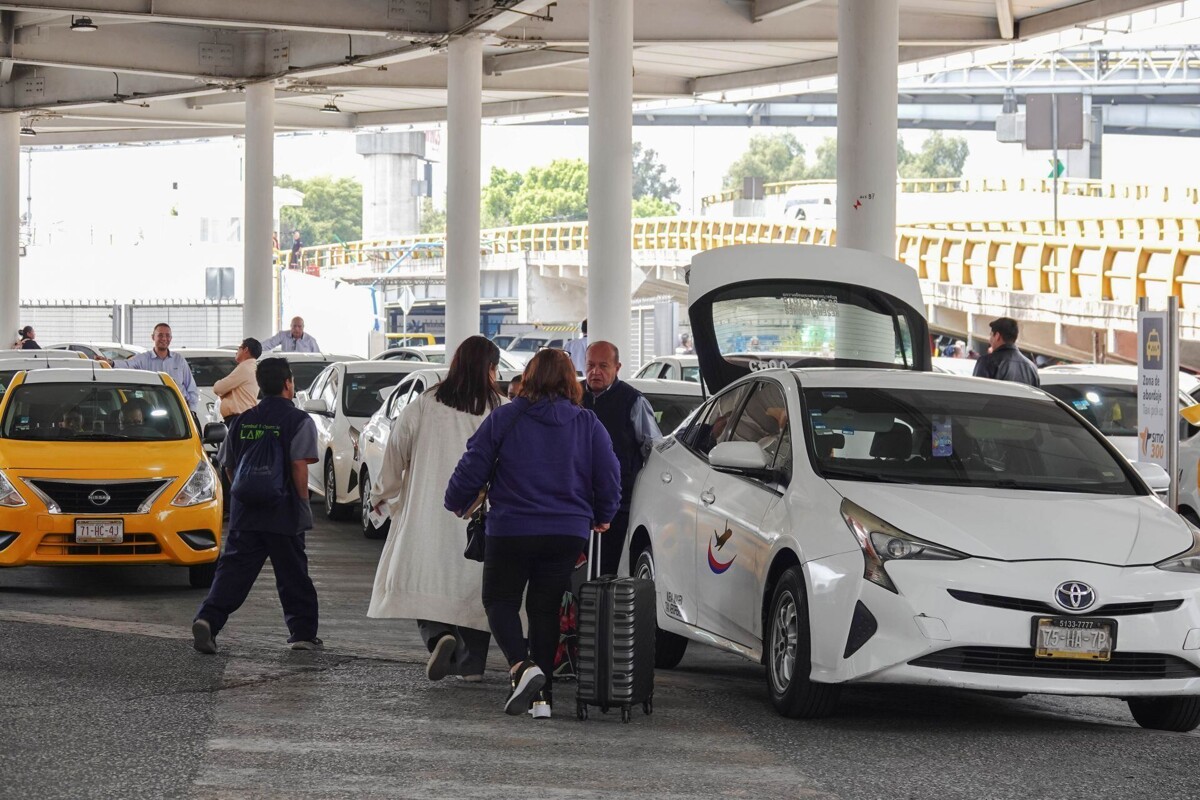
Withholding these options from consumers is not protecting them; it is condemning them to a service they do not want. From a competition law perspective, barriers to entry into a market are only justified when there are clearly identifiable public interest reasons: national security, public health, environmental protection, among others. Consumers deserve to choose between services, and in a properly functioning market economy, that choice should not end at the airport terminal. Technology platforms offer a different service. There is no technical or legal basis to prevent their entry. If the issue is logistics or traffic, then let's solve that. Beyond political or union discussions, this restriction is absurd from the perspective of economic competition law and, above all, consumer welfare. Defenders of these bans often argue that they are meant to protect traditional taxi drivers who have invested in concessions and permits. The law does not prohibit or regulate the operation of platforms in airports; however, in practice, authorities restrict their access. It is incredible that in the 21st century, when the digital economy has transformed virtually all productive sectors, several airports in Mexico and Latin America are still discussing bans or restrictions that prevent users from freely accessing 'platform' transportation services like Uber, Didi, and others. The underlying issue behind these prohibitions is not a genuine concern for security or order, but the defense of monopoly rents by interest groups that have captured decision-making spaces and periodically pressure authorities with threats to close the terminal, to which the authorities eventually give in. Countries that aspire to be competitive cannot afford to maintain closed and protected markets in sectors where innovation has already proven to be a good alternative. They have introduced standards of transparency, safety, and quality that traditional services lack: pre-booked service, competitive fares, real-time trip tracking, driver ratings, automatic billing, and effective complaint mechanisms. However, this argument confuses protection with privilege. The user experience is also affected. Their services are also regulated and taxes are paid. What is actually being protected is not a legitimate right, but a market position artificially shielded from competition by services that are likely not even seen as equivalent. From the most basic economic theory, we know that markets work better when there is freedom of entry and exit for competitors. With the imminent arrival of over 5 million tourists for the World Cup, the issue is becoming increasingly relevant. Mexico has a competition law that explicitly prohibits practices that improperly displace competitors or impose artificial barriers to competition, and the National Antitrust Commission could intervene in this aspect at any time. This irregular action by authorities towards ride-hailing platforms at airports, in effect, creates a captive monopoly or oligopoly: the traveler descending from a plane becomes a captive customer of a small group of service providers who, lacking competitive pressure, have few incentives to improve quality, lower prices, or innovate. What is the public interest justification for prohibiting a citizen from requesting an Uber upon leaving an airport terminal? The consumer, of course. It is no coincidence: when there is no competition, there is no need to compete on price. But the damage is not limited to the wallet. We all know how ridiculously expensive a taxi is at airports in Mexico City, Monterrey, or Cancun. Every time a tourist or foreign businessperson arrives at an airport and finds themselves unable to use the digital tools they use in the rest of the world, they receive a clear message: this is a country that prefers to protect privileges over fostering competition. These are the types of distortions the law seeks to combat. Who pays the consequences of this market distortion? Clearly, the issue is not about that. None that would withstand a serious analysis. Platform drivers meet identification, background check, insurance, and vehicle standards.