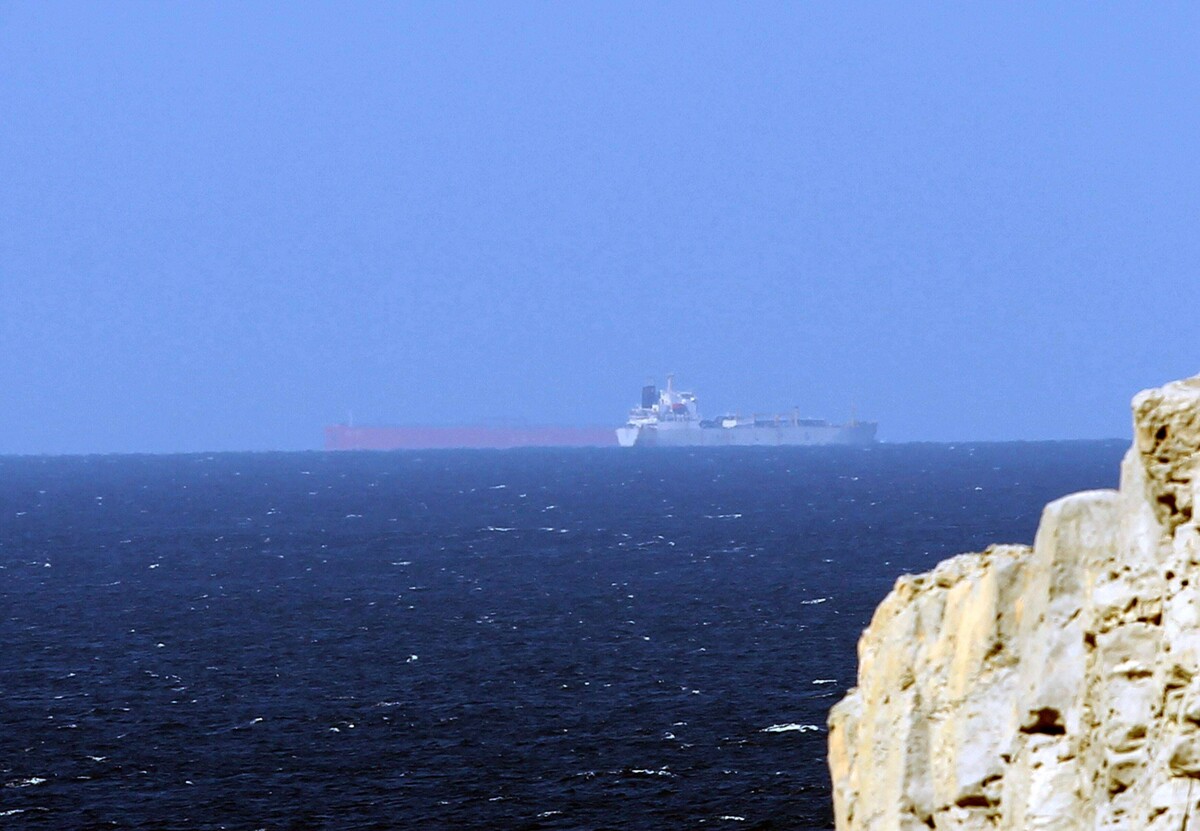
When was the last time any government in the region made a decision thinking about the world to come, rather than the one that has passed? The author is a heritage management specialist. It is a fracture that is widening. Mexico is on the harder side. It is a recession by another name. Then there is the rest of Latin America. It is a pause. The strait has been closed since the end of February. Before, the question was what to expect from the markets. The dollar fell from 104 to 100. Three simultaneous fronts. In contrast, revenues rose between 8% and 10%. When the strait closes, ships detour through the Pacific. It is also the third time Trump has extended the same deadline. Gasoline in the US reached $4.14 a gallon, almost 40% more. Panama captures that income because the Canal exists and because no one else has one. The dollar effect adds up. It is what the flows say. What comes next When the 150-day deadline expires in July, the administration will have to negotiate agreements with its trading partners or seek to have Congress make the tariffs permanent. Crude went from $80 to $117. The Canal Authority projected an 8.8% drop in revenue this year. The Caribbean projects 8.2% growth, driven by Guyana when crude trades at historical prices. On February 24, the administration imposed a universal 15% tariff on all imports, under a commercial emergency law that gives the president 150 days to act without congressional approval. For being where the flows arrived before the map was obvious. The question Latin America should be asking is not what happened. The pattern matters as much as the price. But the strait is only one part. The Federal Reserve cannot raise rates without choking off growth, nor lower them without validating inflation. Over $63 billion, 1% is not a detail. It does not usually happen this way. From Panama, the conversation with clients changed. Remittances reached a record of $63 billion in 2023, equivalent to 3.5% of GDP and showing a 16% annual drop. Venezuela has its own schedule: bonds at 8 cents in 2023, at 31 today, with IMF meetings by the end of April. In a dollarized economy, the fall of the dollar index from 104 to 100 does not cause inflation; it creates an attraction for capital seeking stability. A new 1% tax on outgoing remittances came into effect in January. If any formal framework emerges, the next move will not be gradual. The ceasefire is good news. It is not the same continent facing the same problem. What Panama captures without looking for it The Canal is operating 10% above its revenue plan. The Canal becomes more relevant. Now it is where to place capital that came out of the stock market and does not know where to go. The same question has different answers depending on where it is asked. The fracture that no one is naming Latin America is not facing this moment as a block. It is not a marketing argument. The market operates with a CAPE ratio of 40.54, surpassed only once in modern history, at the peak of the dot-com year 2000. Transits reached 38–41 daily, versus the planned 34–36. Central America grows between 3.0% and 3.2%. The headlines spoke of de-escalation. Do not be fooled. That clock runs out in July. This week, Donald Trump announced a two-week ceasefire with Iran to negotiate the reopening of the Strait of Hormuz. But the world with universal tariffs, redesigned routes, and moving capital does not reverse even if Iran signs tomorrow. In the next five years, one or two economies in the region are going to grow in a way that today seems improbable. Not for brilliant policy, but for position. The economy projects 1.3% growth for 2026.