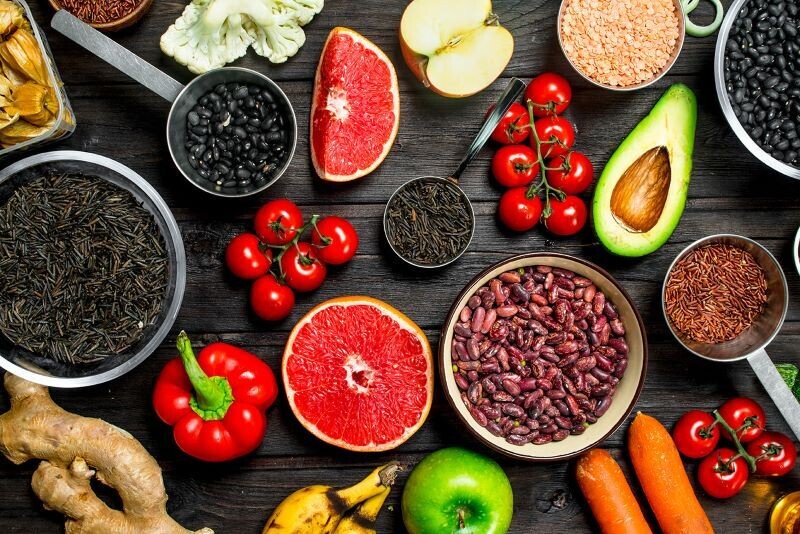
Organic Food: Are They Truly Indispensable for a Healthy Life? An analysis by the UAG highlights that the organic label refers to the production process and does not necessarily imply a lower content of fats, sugars, or calories. Delia Guadalupe Estrada Palafox, director of the Academic Department of Nutrition Sciences at the Autonomous University of Guadalajara (UAG), argues that these products do not replace a healthy diet based on the variety and quality of fresh ingredients. Production Process vs. Nutritional Quality An organic food is defined by its production practices, which limit the use of synthetic pesticides, fertilizers, and genetically modified organisms, as well as the restriction of antibiotics and hormones in animal products. In this sense, it is more beneficial to regularly include conventional fruits, vegetables, legumes, and whole grains in your diet than to exclude them due to the high cost of their organic versions. To optimize the consumption of traditional products, fundamental practices such as proper washing and disinfection are recommended. The expert points out that while there are studies showing lower pesticide residues in the bodies of those who consume organic foods—a relevant factor for children and pregnant women—the scientific evidence on long-term health benefits is not yet conclusive. Priorities in the Daily Diet The choice of these products often depends on each family's budget and access. In conclusion, a healthy life depends on the frequency and quality of fresh foods consumed, not just a commercial label.