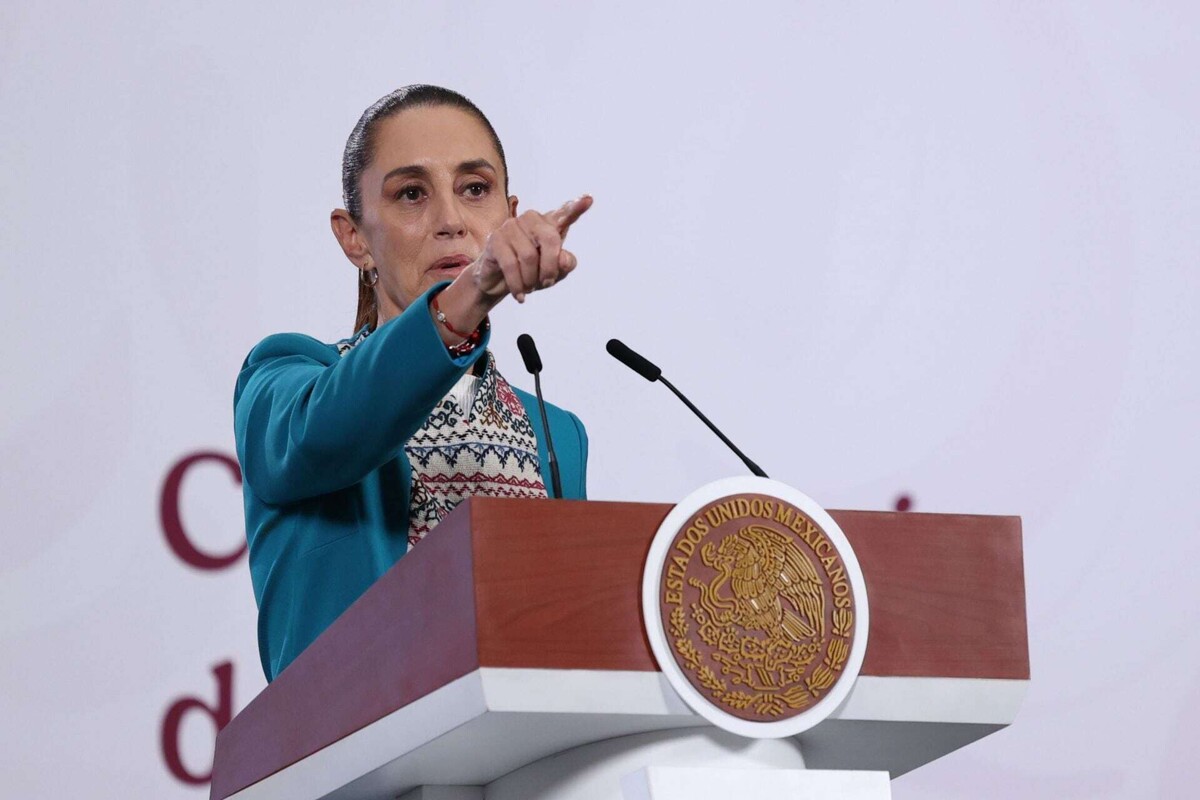
On February 13, there were already ships trying to contain the oil spill... but then they withdrew without alerting anyone. By February 19, the spill had already reached nearly 300 square kilometers,” the organizations denounced. According to these groups, by March 21, 630 kilometers of coastline had been affected, practically the entire extension of the reef corridor in the southwest of the Gulf of Mexico, with 51 sites reported to have chapopote (tar), impacts on beaches, mangroves, fauna, and livelihoods. “This contradicts the official version, which places the first report of hydrocarbons on the beaches of Veracruz and Tabasco as late as March 2,” the denouncing organizations stated. “Scientists” determined that the origin of the hydrocarbon spill in the Gulf of Mexico is not a leak in Pemex pipelines, but natural oil seeps, known as chapopoteras, affirmed President Claudia Sheinbaum Pardo. The head of state, at her morning press conference on Tuesday, March 31, explained that the interdisciplinary group—comprising the Secretariat of Environment and Natural Resources (Semarnat), the Ministry of Energy, the Navy, and Pemex—is investigating, along with scientists, whether the origin of the spill is these natural chapopoteras in Cantarell or a leak in any of the facilities. “So far, there has been no leak reported. A significant portion has already been reviewed. If a leak were to be found, obviously it would be reported and repairs would begin. “It rather seems to be the other hypothesis that has been put forward, and for this, there are protocols to contain the pollution, because it is not the first time this has happened,” she stated. The head of the Executive branch announced that her government has reviewed more than 400 wells in Cantarell, the field that once produced nearly two million barrels of oil per day, and some of the facilities that “are already many years old.” She recalled that during the administration of former President Andres Manuel López Obrador, a good portion of these Pemex facilities was inspected, “and now we are conducting reviews.”
They are inspecting beaches after the hydrocarbon spill. Additionally, Sheinbaum Pardo rejected the claim that her government has done nothing and defended that the agencies have worked not only to contain the spill but also to clean up the beaches. She mentioned that the head of Semarnat, Alicia Bárcena, visited Veracruz on Tuesday to inspect the beaches and speak with fishermen affected by the spill. She also referred that she requested both the Pemex Social Responsibility manager, Raúl Ojeda, and the Secretariat of Well-being, headed by Ariadna Montiel Reyes, to support the fishermen for the damages they have suffered. “A lot has been done, there are many people from Pemex working, many people from the Navy, many people from Semarnat working to contain and clean up the pollution through different methods,” she emphasized. Sheinbaum stated that on Wednesday she will meet with the interdisciplinary group that will give her a report and her government will continue to provide information so that citizens know what is happening in the Gulf of Mexico. In contrast, more than 30 civil organizations denounced that the hydrocarbon spill in the Gulf of Mexico began in February and was concealed. According to organizations such as Greenpeace México, Conexiones Climáticas, Centro Mexicano de Derecho Ambiental, and CartoCrítica, satellite images reveal that since February 6, hydrocarbon stains were already visible off Campeche, right over a pipeline. “The next day, the Árbol Grande vessel, specialized in repairs and contracted by Pemex, arrived and stayed there for eight days, over the line that transports crude oil to Dos Bocas.