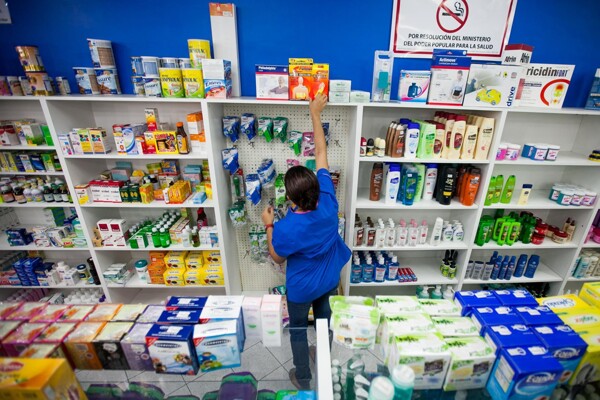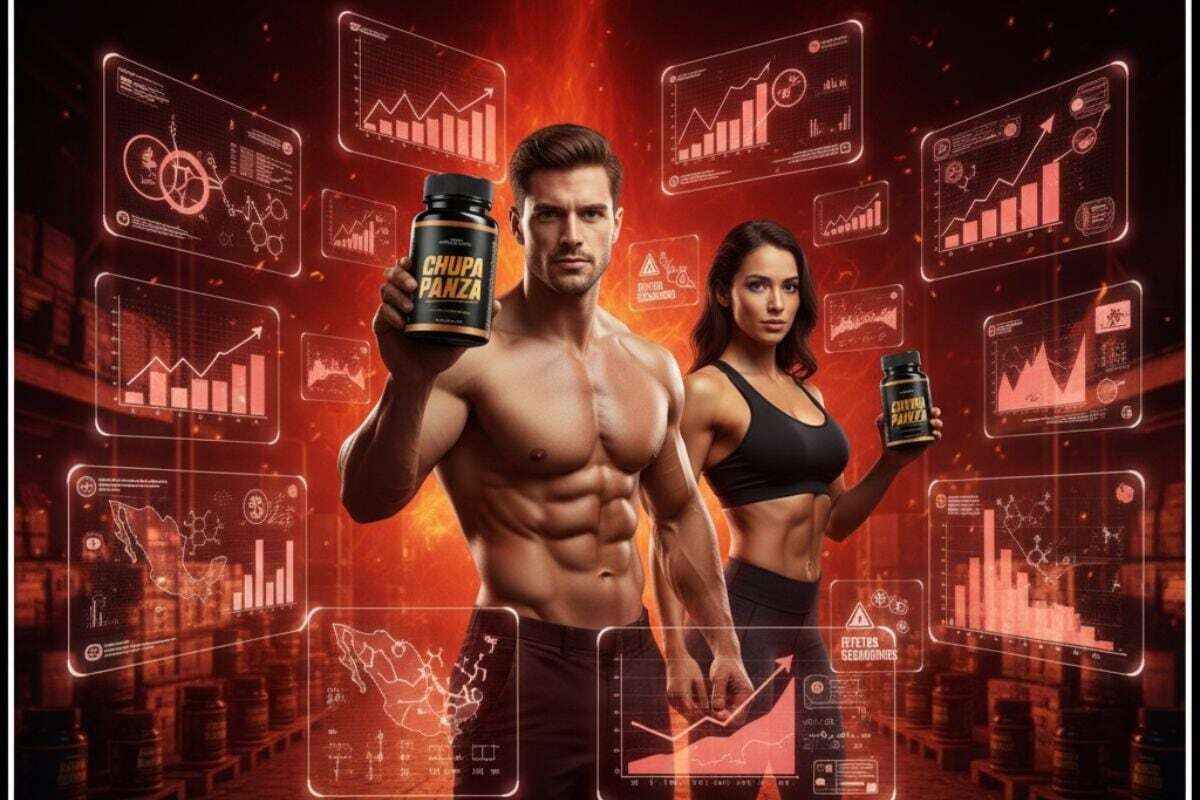
Amid the global wellness boom, Mexico is facing an issue that is beginning to escalate in the healthcare sector: the proliferation of adulterated supplements and counterfeit medications. According to alerts issued by health authorities, products marketed as 'natural' have been found on the market that actually contain undeclared pharmacological compounds, which can cause serious adverse effects in consumers. Counterfeit medications under the microscope One of the key areas of concern is the counterfeiting of GLP-1 analogue medications, used for weight control. The World Health Organization (WHO) has warned that counterfeit products containing semaglutide have been detected in various regions since 2022, while in Mexico, the Federal Commission for the Protection against Health Risks (COFEPRIS) has issued alerts about their circulation in the market. These products have been identified with undeclared ingredients, such as rapid-acting insulin, which poses a critical health risk. Serious health risks The use of undeclared substances can cause severe complications. In the case of insulin in people without a diabetes diagnosis, there is a risk of severe hypoglycemia, a condition that involves a sudden drop in blood glucose levels. Unlike counterfeit medications, whose effects can be immediate, adulterated supplements represent a cumulative risk that ranges from ineffectiveness to serious harm from prolonged exposure to unknown ingredients. Lack of regulation and misinformation Specialists point out that one of the factors exacerbating this situation is the lack of robust regulatory mechanisms in the country. Hagen Weiss, a wellness science communicator, explains that in other markets, the verification of identity, purity, and composition of each batch of supplements is required, whereas in Mexico these processes are not mandatory in a standardized way. Additionally, he warns that the ease of launching products on the market and the growth of digital commerce have allowed these products to circulate more rapidly. Digital influence and uncontrolled consumption This scenario is compounded by the influence of social media, where public figures and influencers promote products without scientific backing or clinical validation. According to Weiss, millions of people make decisions about their health based on this type of content, which increases exposure to potentially dangerous products. How to reduce the risk? In this context, specialists recommend that consumers verify that the products have batch analysis certificates, check that the price is consistent with the market, and confirm that the sales channel has a health license. The growing demand for wellness products will continue to rise; however, in an environment where supply is advancing faster than regulation, information becomes a key tool to avoid health risks. The expansion of these products poses a challenge for authorities and consumers, who face a market where the difference between a safe product and a potentially dangerous one is not always clear.