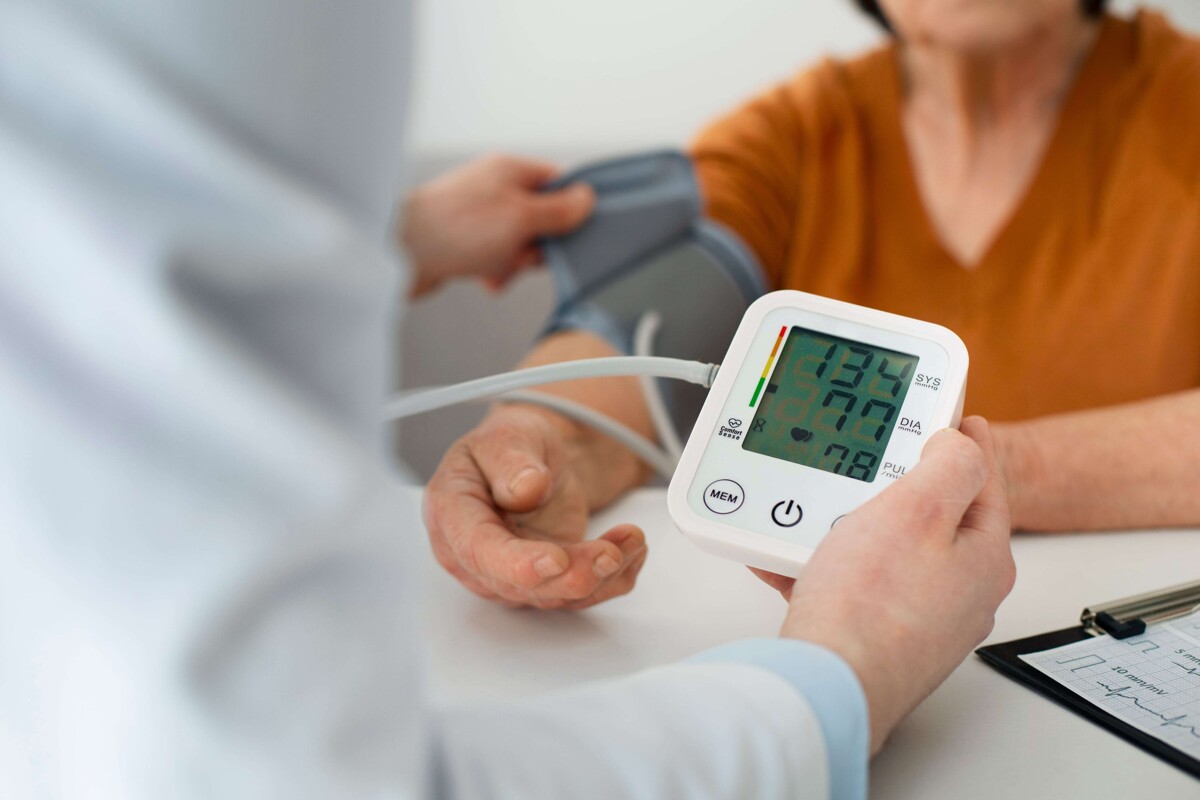
A clinical trial suggests that controlling high blood pressure could become much easier thanks to an injectable treatment that is administered twice a year. Researchers point out that this therapy could significantly improve outcomes in patients whose condition is not well controlled with traditional medications. In a global study of 663 adults with uncontrolled hypertension, patients received an experimental drug called zilebesiran along with their usual medications. A PROMISING ALTERNATIVE The results showed that those who received the injection experienced greater reductions in blood pressure compared to those who only followed standard treatments, highlighting the potential of the therapy as a powerful complement to existing options. Zilebesiran uses a cutting-edge approach known as RNA interference to target a protein produced in the liver called angiotensinogen, which plays a key role in regulating blood pressure. “The novelty of this treatment lies in its long duration. A single injection every six months could help millions of patients better control their disease,” says Dr. Manish Saxena, a hypertension specialist at Barts Health NHS Trust and co-author of the study. ADVANCE IN CARDIOVASCULAR HEALTH By reducing this protein, the treatment allows blood vessels to relax, which lowers blood pressure levels. It is administered via a subcutaneous injection and its effects can last up to six months. Experts believe this long-duration therapy could help millions of people better control hypertension, a condition that significantly increases the risk of heart attacks and strokes. Ongoing and future trials will seek to determine if this treatment can also reduce major cardiovascular events, which could mark a significant shift in how one of the most common diseases in the world is treated.