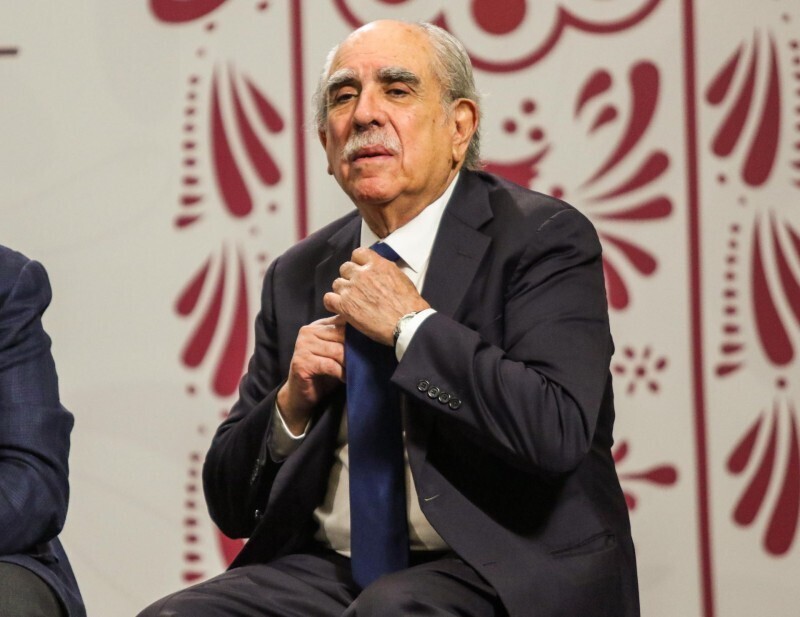
A new legislative period has begun in Mexico, focusing on key reforms. The main topics are electoral and labor reforms, which are priorities for the ruling coalition. The electoral reform, expected in the second week of February, aims to change the system of proportional representation. It proposes reducing the number of proportional deputies and eliminating local electoral bodies. Another major issue is the reduction of the workweek from 48 to 40 hours, initiated by President Claudia Sheinbaum, which is to be implemented gradually. The initiative also plans to align the presidential recall referendum with midterm elections starting in 2027 and reduce the budget of the National Electoral Institute (INE) and political parties. In the Senate, initiatives concerning so-called 'faceless judges' included in the Federal Law against Organized Crime will be revisited. The 'reform package', presented by Pablo Gómez, includes a constitutional amendment and changes to the Federal Labor Law to ensure its gradual implementation. Additionally, the agenda will cover migration initiatives, such as repealing the Migration Law to issue a Law of Human Migration, reforms to facilitate technology transfer and patent protection, and new rules for the swearing-in of the Judicial Branch.