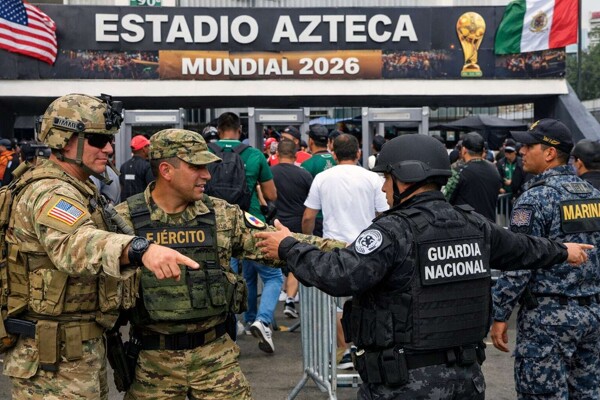
Football at its greatest contradiction Football lives an inevitable paradox; it is more global, profitable, and spectacular than ever, but at the same time, it is moving away from those who made it the most popular sport on the planet. For Mexico, the 2026 World Cup represents pride, history, and a unique opportunity. This leap reflects a structural transformation: the traditional fan is no longer the only target of the business. From Qatar to 2026: the most aggressive leap The 2022 FIFA World Cup had already significantly raised the bar in terms of costs, but what's coming in 2026 breaks all previous parameters. The estimated increase between both editions is 239%, the highest recorded in the modern history of World Cups. In Mexican venues such as the Azteca Stadium, BBVA Stadium, and Akron Stadium, the cheapest tickets might seem accessible compared to international markets, but in the local context, they represent a considerable expense. And if the base cost is already high, the final stages raise the barrier to historic levels: the grand final could reach $730, the highest price ever recorded for a World Cup. Dynamic pricing: total uncertainty for the fan Added to this scenario is a new strategy that has generated controversy: variable pricing. The dream of experiencing a World Cup live in the stadium is increasingly out of reach for the average fan. What was considered for decades the "sport of the people" is now shaping up to be a show reserved for those who can pay thousands of dollars. The 2026 FIFA World Cup will mark a before and after in football history not only for its expanded format but also for the economic impact it will have on people's wallets. Football is about to experience its largest and most expensive edition, and the event to be held in Mexico, the United States, and Canada will not only make history for its 48-team, 104-match format but also for consolidating a concerning trend: attending the stadium has become a luxury that is increasingly distant for the average fan. The figures are overwhelming; according to specialized analysis, the average ticket price has increased by 861% since the 1994 FIFA World Cup to the upcoming World Cup. What was once a relatively accessible experience now requires an investment exceeding an average of $1,200. The data that truly reveals the magnitude of the problem is not in the dollars but in the effort it represents for the Mexican worker. Mexico 86 vs 2026: from achievable dream to inaccessible luxury In the 1986 FIFA World Cup, football still largely belonged to the people; the cost of an average ticket represented only 0.42 minimum wages, that is, less than half a day's work. This meant a fan could attend a match with what they earned in a few hours; even packages that included several matches could be covered with a little more than five days' salary, making the World Cup an achievable experience for thousands of families. Almost four decades later, the landscape is completely different. For the 2026 World Cup, the cheapest tickets for the group stage range between 1,400 and 1,600 pesos. For the 2026 World Cup, FIFA implemented a system in which ticket prices adjusted in real-time based on demand. In other words, the price was not fixed. Experts warn that the secondary market could drive prices up by as much as 500%, especially in key matches such as the opening, semifinals, and final. A historic World Cup, but more exclusive The 2026 World Cup will be the largest of all time, but it could also become the most exclusive. The presence of international tourists, VIP packages, and premium experiences points to a change in the profile of the average attendee. Football has not only become more expensive; it has changed its economic category. The global business that transformed the World Cup Behind this increase is the evolution of FIFA's business model. The World Cup stopped being just a sporting event to become a global product of extremely high commercial value. Factors such as international tourism, broadcasting rights, sponsors, and global demand have pushed prices to historic levels. What was once thought to fill stadiums is now also designed to maximize revenue. In 1994, the average ticket price was $126. But it also leaves an uncomfortable question: for whom is the show really designed? The answer seems clear in the numbers. In 1986, it only took a few hours' salary to get into the stadium. In 2026, that same dream will cost almost a week's work. The ball will roll again at home, but for millions of fans, the most important match will be played—once again—in front of the television. For 2026, the figure exceeds $1,212. The same match could cost more as interest grows, complicating economic planning for fans. Additionally, this model could incentivize resale. Translated to the current context, this is equivalent to 4 to 6 days of minimum wage in Mexico for a single match. The comparison is devastating: before, less than a day's work was enough; today, practically a full week is required.