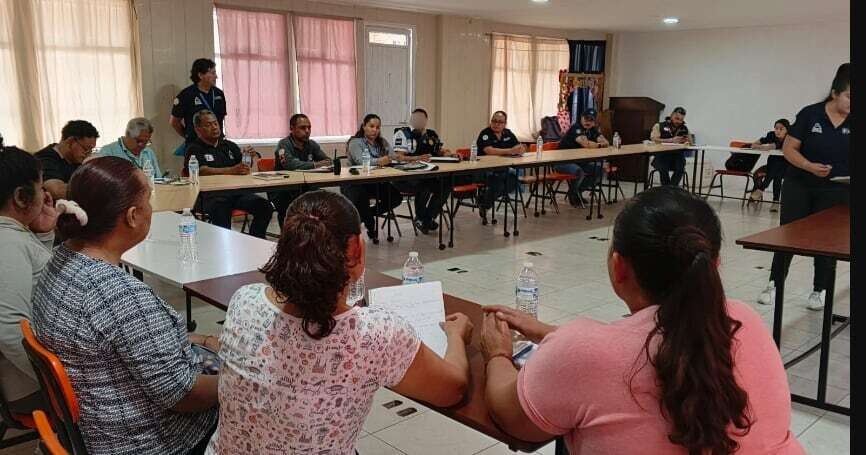
In these areas, communication ceases to be a mere formality and becomes a constant flow of information operating 24 hours a day. Each committee consists of at least five people and is formalized through a minutes document, enabling it to interact with authorities. Beyond its structure, its key feature is its organizational capacity. From these groups, neighbors identify risks in their environment, share information about suspicious situations, and establish basic self-protection agreements that impact the daily life of the neighborhoods. Everyday technology, shared surveillance. The use of WhatsApp is an accessible, widespread technology already integrated into daily life, which reduces participation barriers and eliminates intermediaries. In this sense, an alert sent in the chat can translate into a faster response from police corporations, while also allowing neighbors to stay informed and coordinated. This model also proposes a shift in understanding public security. It is no longer just about the presence of the State, but its articulation with the community. Crime prevention is thus built as a shared process, where surveillance, information, and response capabilities are distributed between authorities and citizens. To join these committees, the Secretariat of Security and Peace maintains contact with the Municipal Coordination Office for Monitoring, which accompanies the process of formation and follow-up. Through WhatsApp groups known as 'security chats,' neighbors organized in committees maintain direct communication with municipal police, allowing them to report incidents, share alerts, and activate real-time responses. The strategy is driven by the Secretariat of Security and Peace through the Subsecretariat of Prevention, which promotes the integration of neighborhood committees as the basis for a different security logic: closer, faster, and with active citizen participation.