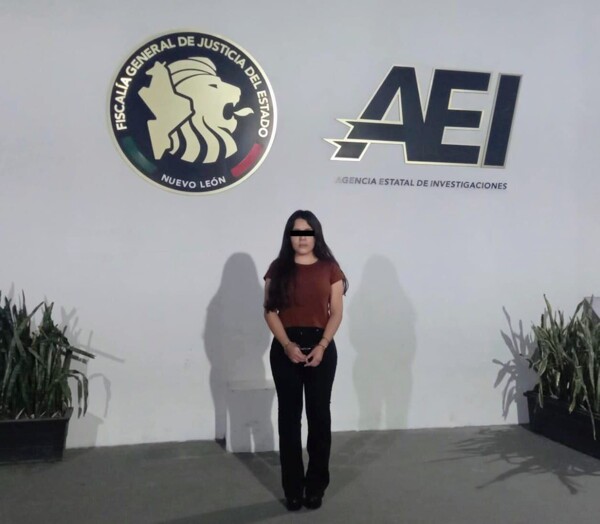
The Attorney General's Office of the State of Nuevo León executed arrest warrants against two individuals identified as Astrid “N” and César “N”, suspected administrators of the social media accounts known as “Tía Paty”. These accounts were used to spread content and commit alleged extortion in exchange for not publishing sensitive information. According to the Prosecutor's Office, the arrests stem from various citizen complaints and investigations conducted by the state authority. The accused are alleged to have participated in operating the social media accounts, through which money was demanded in exchange for removing posts. Additionally, the Prosecutor's Office is investigating the possible links of the detainees to schemes for recruiting women for the promotion of sexual services, as well as the use of official identification documents to impersonate identities. Both accused were placed at the disposal of a judge, while the investigation remains open to determine responsibilities and to ascertain if there are more individuals involved in this extortion and identity theft network. The state agency reiterated its commitment to addressing complaints and combating this type of crime that affects the security and assets of citizens. “Tía Paty” began as a gossip page that exhibited information about people, however, it gradually degenerated into other types of dissemination, such as alleged human trafficking and defamation. How to prevent extortion? Extortionists on social media take advantage of fear and lack of privacy to commit this crime, so authorities recommend following some basic points to not become a victim of criminals. One is to set profiles to private and not accept follow requests from unknown people. Avoid publishing sensitive information, and also avoid sharing images of minors, vehicle license plates, pay stubs, or photos of the house. A good idea is to enable two-step verification on networks like Facebook and WhatsApp. You should not access links that promise prizes, nor respond to messages from unknown accounts.