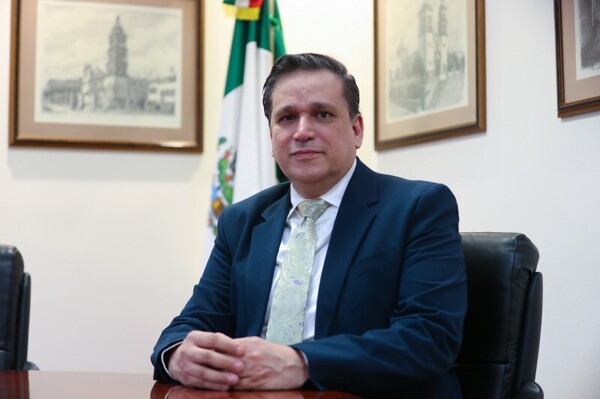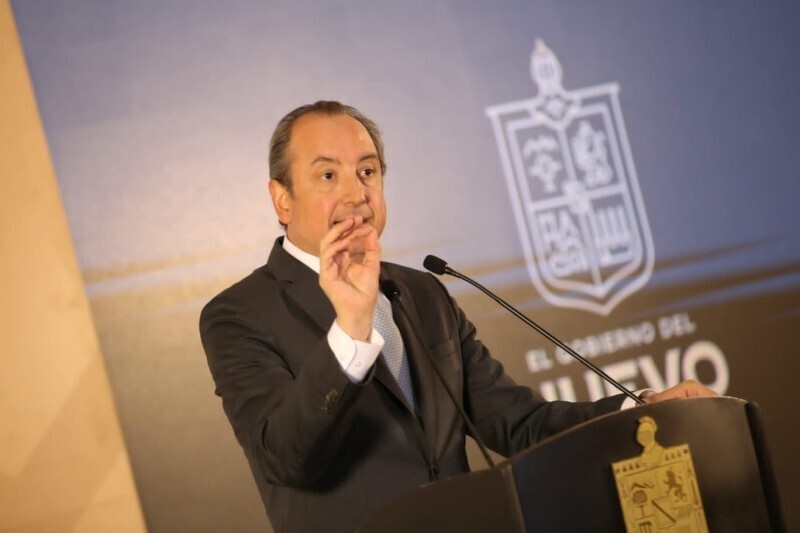
In response to this, the private sector initiated negotiations and pressures to omit it in the new Fiscal Package. According to what LPO could learn, business chambers approached Treasurer Carlos Garza to see the possibility of reversing the increase in the Payroll Tax (ISN) from 3% to 4%, which means a 33% increase in tax expenses. Sources from the opposition share that if progress is made in this area, a counter-proposal would be presented next week that includes the demands of the private sector, as well as increases for municipalities, autonomous bodies, a minimized debt, among other points. However, new negotiation facets have emerged. Supposedly, 210,000 jobs in 20,000 establishments would be at risk, as small businesses would go from paying 12,000 pesos to 36,000; and even a giant chain would pay up to 240,000 pesos in licenses instead of 80,000. This issue has also resonated in various opposition spaces, as the increase in licenses was a gesture from the Palace of Cantera for municipalities to achieve greater revenue. This factor, external to the PRI-PAN and MC negotiations, is slowing down the Budget. In the Congress, a counter-proposal is being prepared, and at the Palace of Cantera, they continue to closely follow the requests of the chambers—such as Coparmex, Caintra, Canaco, and others—and in parallel, they await greater progress in the Supreme Court to speed up negotiations with items such as transparency reform, judicial reform, among others. The delay in the delivery of the 2026 Budget on November 20, according to sources, was the assignment of an increase to the Payroll Tax (ISN) that was not notified to deputies or businessmen; increases in alcohol licenses were also added. They consider that this sector accounts for 60% of formal employment, so they fear a recession in this area as in 2013 when the ISN was increased from 2% to 3% and there was a 20% setback in employment. The industrial sector, not having a favorable response from the State government, has already approached the opposition to impose business conditions in the legislature's counter-proposal. For example, the restaurant and hotel guild went to the local Congress to issue an official document to omit the increase in alcohol licenses. The official, for now, offers an increase of only 0.5%, instead of a full percentage point, a situation that does not convince the private sector. The chambers see this increase as unsustainable for MSMEs.