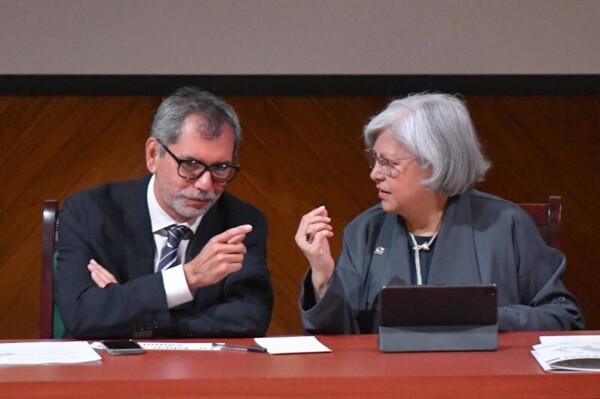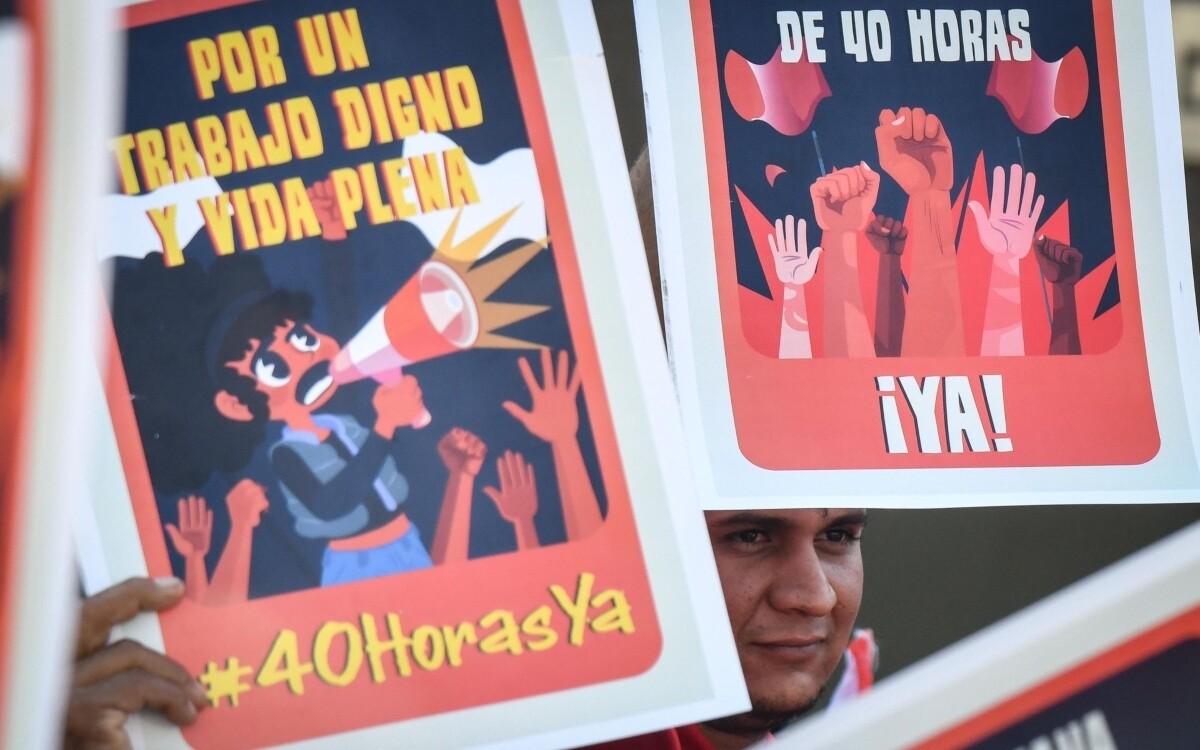
The Government of Mexico presented this Wednesday the guidelines for an initiative to reduce the standard workweek from the current 48 to 40 hours. This historic change, according to authorities, “will be the result of a broad consensus” and will be implemented gradually between 2027 and 2030. The initiative to reform Article 123 of the Constitution and the Federal Labor Law was sent to the appropriate Senate committees. Secretary of Labor Marath Bolaños detailed that in nearly five months, more than 40 forums and work tables were held with the participation of over 2,000 representatives. The official stated that international evidence shows that “reducing the workweek brings benefits not only for workers, but also for economic units and the economy in general.” He listed improvements in productivity, social cohesion, health, and work-life balance. The initiative establishes that the 40-hour workweek will be defined in the Constitution and the Federal Labor Law, without implying a reduction in salaries or benefits, and also prohibits minors from working overtime. Implementation will be gradual: a reduction of two hours per year starting in 2027 until reaching 40 hours in January 2030. The Senate of the Republic received this Wednesday the initiatives from President Claudia Sheinbaum to reform Article 123 of the Mexican Constitution and to amend the Federal Labor Law, with the aim of reducing the workweek from 48 to 40 hours. In a social media message, President of the Senate Laura Itzel Castillo considered it to be “historic proposals” that respond to one of the most pressing demands from workers. She reiterated that these reforms represent “a firm step towards a more just, dignified, and balanced working life.” The year 2026 will serve as an adjustment period for companies and workers.