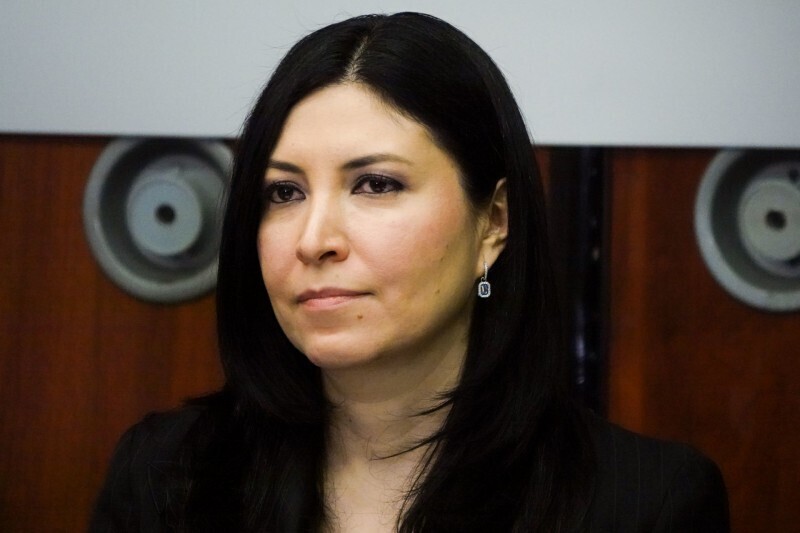
The board of directors of the Bank of Mexico (Banxico) unanimously decided to keep the interest rate at 7%, pausing its cycle of cuts. This is the first time since June 2024 that the rate has remained unchanged and the first time since June 2025 that the decision was unanimous. The board, led by Victoria Rodríguez, made this decision considering inflationary pressures stemming from early-year tax changes, exchange rate behavior, the weakness shown by economic activity, and the degree of monetary restriction already implemented. "It is considered that the balance of risks regarding the projected path for inflation over the forecast horizon is more balanced, but maintains an upward bias," the statement noted. In its report, the board recognized greater challenges in reducing underlying inflation, which is the one that determines the medium and long-term trajectory. "This adjustment is mainly the result of a higher anticipated path for underlying inflation," the central bank's communiqué mentions. Amid intense debate about its credibility and new inflation alerts, the board of Banxico responded cautiously: it paused the rate-cutting cycle and pushed its inflation target to 2027. The most significant shift from Banxico was that it moved its goal of bringing inflation to 3% by the end of this year to the second quarter of next year. The main risks on the table are: cost pressures, depreciation of the Mexican peso, disruptions from geopolitical conflicts or trade policies, and climate impacts. The shift in the forecast is closer to the consensus of expectations among specialists, who had already warned that there were no conditions to meet the inflation target and questioned the central bank's credibility. According to the Citi survey, the consensus estimates inflation of 4% by the end of this year.