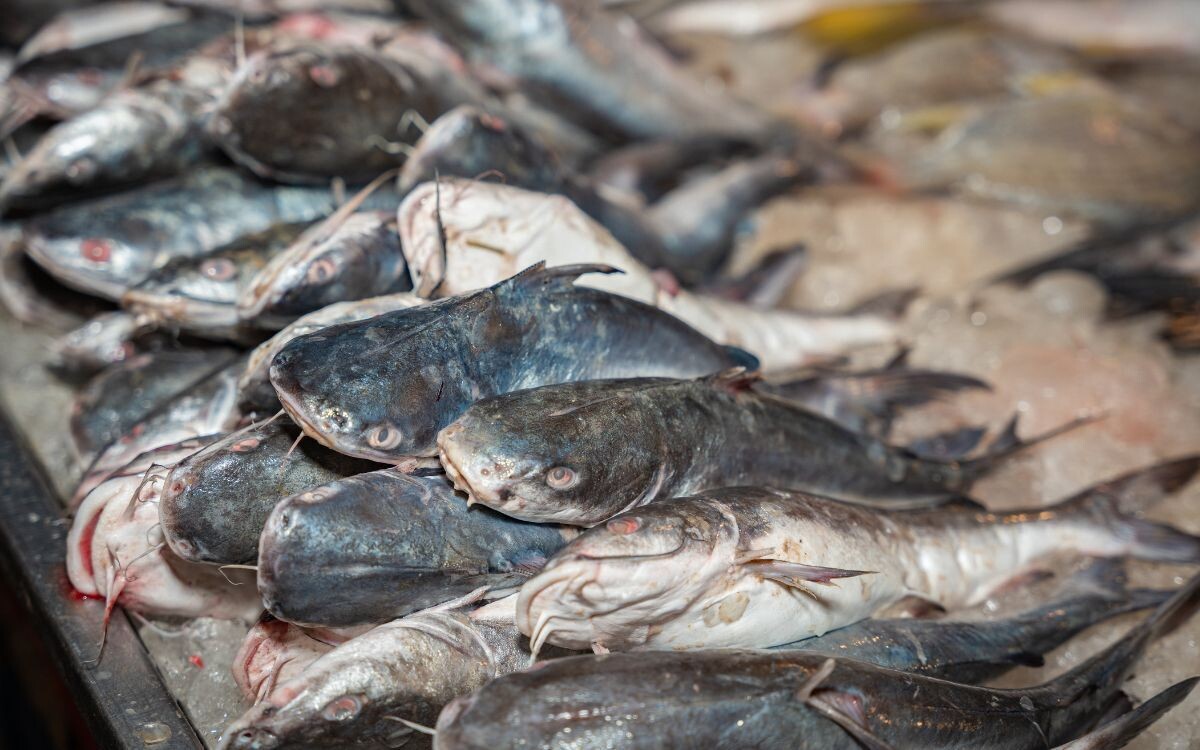
The international organization Oceana documented that 38% of the fish sold in Mexico are substituted with different species than those offered to the consumer. According to the report 'Cat by Hare: evident deception', this figure represents almost double the international average of 20% reported by the United Nations Food and Agriculture Organization. The research details that four out of ten times, the buyer receives a different product than the one they paid for, which implies a direct economic impact to cover costs up to three times higher for less commercially valuable species, such as tilapia or catfish, sold under the name of red snapper. Oceana identified that the most consumed species have the highest substitution rates, highlighting the marlin with 91%, the sierra with 82%, the grouper with 72%, and the red snapper with 54%. Esteban García-Peña, Coordinator of Research and Public Policy at Oceana, pointed out that this problem persists due to the absence of official control mechanisms.