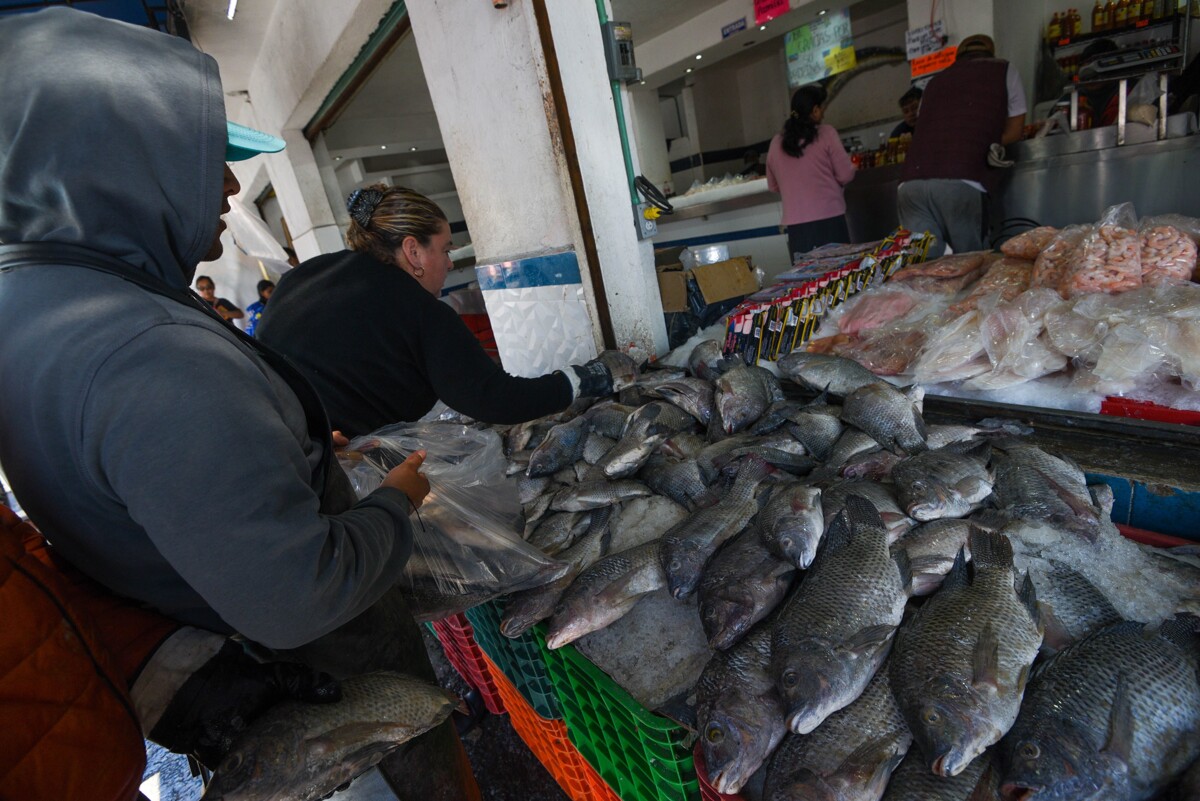
During the peak of Holy Week, one of the periods of highest fish consumption in Mexico, civil society organizations have raised alarms over a practice that directly affects families: the substitution of species in the sale of seafood. According to Oceana, 38% of the fish sold in the country does not correspond to the species the consumer believes they are buying, a figure that nearly doubles the international average reported by the FAO.
Consumer Fraud and Financial Pressure The study "Cat by Hare: Obvious Fraud, Pending Solution" reveals that in four out of ten cases, the consumer receives a product different from the one they paid for. This means that high-value commercial species, such as red snapper, can be substituted for cheaper ones like tilapia or catfish, generating overcharges that can reach up to three times the product's actual value.
Most Affected Species The analysis identifies that the most consumed fish are the most vulnerable to this practice. Among the most critical cases are: Marlin: 91% substitution Sierra: 82% Grouper: 72% Red Snapper: 54% These data reveal a systematic pattern in the commercialization of seafood in the country.
Impact on Fishing Communities The substitution affects not only consumers but also fishermen, who face unfair competition from cheaper products sold as higher-value species. In many cases, tilapia—farmed or imported—is sold as red snapper, displacing national producers.
Hidden Environmental Risks The problem also has ecological implications. A lack of information about the origin of products can lead consumers to purchase endangered species unknowingly. The study documents cases where marlin was substituted for mako shark or fox shark, species classified as endangered by international bodies.
Lack of Regulation and Traceability Experts warn that this practice persists due to the lack of effective traceability mechanisms in Mexico, which prevents knowing the origin and legality of fishery products. "Substitution occurs because there are no measures that allow tracking the product from its capture to its consumption," stated Esteban García-Peña of Oceana. In a context where fish consumption increases during Holy Week, the phenomenon of substitution is emerging as a structural problem affecting family economies, competition in the fishing sector, and ocean sustainability, with no effective regulatory response to date.