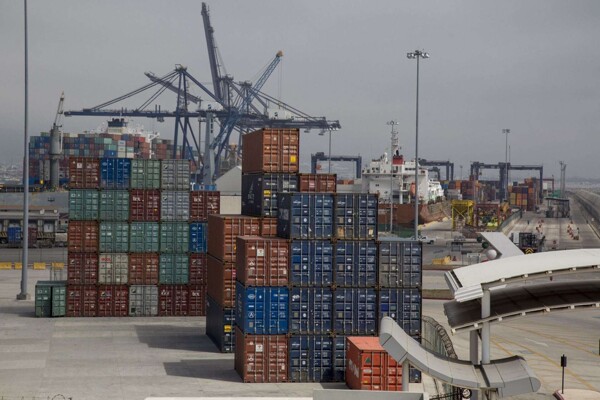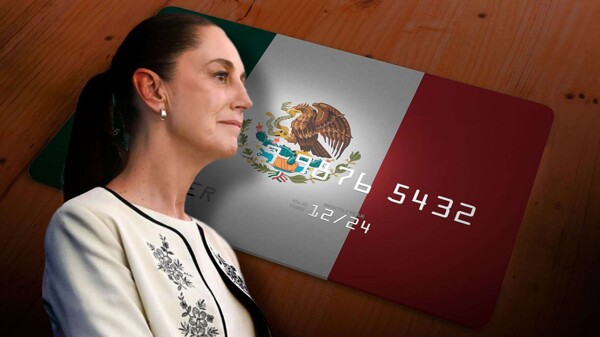
The end of 2025 showed a somewhat surprising dynamic, and I believe the first three months of this year will be disappointing. Imports of non-oil consumer goods and capital goods, which are the best approximation of internal demand, were growing at almost 6% in the last quarter of last year. In January, they did not reach 4%, and in February they practically did not grow. As is customary, this is achieved by curbing public investment, which reports a fall of almost 40% compared to the first two months of 2025. This will force a greater cut in investment, causing a fall in the economy, which will lead to lower revenue, and that's how we'll get by. Estimating the behavior of the economy based on the mentioned imports, it can be expected that the growth of this first quarter was similar to that published for last year, around half a percentage point. In real terms, public investment is repeating the behavior of early 2025, when it was used to 'consolidate' public finances. Reversing this process, with the current government, I think is impossible. In real terms, there is a slight growth in total government income (2%), which forced to limit the growth of spending more or less at the same level. I had suggested thinking about growth of that magnitude for a long time after the hole that cost the 2024 election. I don't know if this reflects a reduction in 'huachicol' or simple creative accounting by Pemex, one day we will know. The lower economic activity affects not only the mentioned taxes, but also the income tax, whose growth was reduced in the first two months of the year, to which was added a fall in oil revenues. In November they reported a real growth of almost 9%, which was reduced to 5% in December, 3% in January, -1% in February, and -2.5% until March 24. We will have to wait a while before having adequate information to evaluate what happened, but the one we have points to the economy remaining stagnant. It should not be a surprise, considering how confidence in investment and the situation of public finances has been destroyed. We will see the net impact, but most likely it will be negative, because we consume more fuel than the oil we produce. While in the first two months of 2025 VAT had a real growth of 20% and the import tax of almost 50%, this year they report a fall of 9 and 7%, respectively. The high-frequency information from BBVA (card use) coincides with that dynamic. It seems that explains the fall in VAT and import tax collection, which we already know for February. For some reason, this information does not coincide much with consumption as measured by INEGI, nor with the behavior of retail sales, but the timely indicator of the former already points to a fall in February, and of the latter, I have already told you that its results are very biased by the sale of fuel. Since private investment does not move much, that caused the fall in the economy in the two intermediate quarters of last year. The war in Iran can increase a little the oil revenues, due to the higher price of crude, but it will reduce the revenue from the special tax on fuels, because they have decided that they do not want increases in gasoline and diesel prices. With that pace, the deterioration of infrastructure will gain ground. The first quarter of the year has ended.