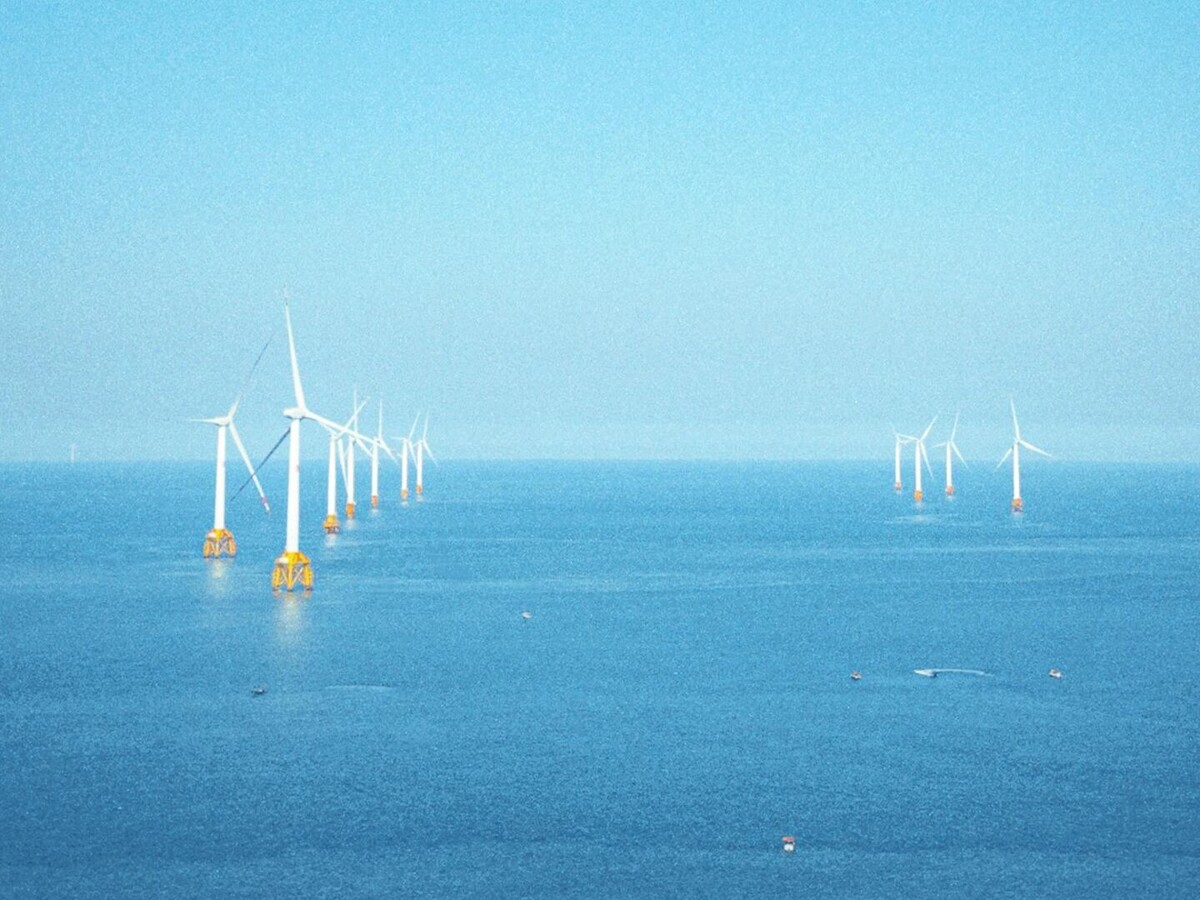
The energy transition is not decreed, it is designed. Latin America does not need more diagnoses of its potential. Latin America repeatedly tells itself that it is destined to be a leader in renewable energies. Energy leadership is not a geographical accident, but a political, technical, and economic consequence. Scotland does not have more wind than Latin America has sun. Mexico shares, and in some cases concentrates, many of these advantages. In contrast, Latin America as a whole hovers around 60% renewable electricity generation, with a strong dependence on hydroelectric power, while Mexico remains below 30% in effective clean generation if certain debatable categories are excluded. What it does have is a crucial difference: it decided what to do with it. The potential is there, but leadership is not necessarily. Mexico illustrates this tension well. And that difference is measured in decisions. To understand it, it is worth looking towards Scotland, from where I am writing this column today. And that is where the region still has a pending debt, because in energy, as in development, potential is not destiny, it is merely the starting point. The difference, then, is not in resources, but in focus. Scotland understood that wind is not a competitive advantage until it becomes infrastructure, regulation, and certainty. However, there is a very big difference between having potential and exercising leadership. In other words, it stopped talking about its potential and started managing it. Latin America, in contrast, remains trapped in an aspirational narrative. It needs discipline to turn it into reality. The resource is celebrated, but investment in networks is postponed. Latin America as a whole exceeds 650 million inhabitants. Not because it is a perfect model, but because it is a clear case of how to turn a natural advantage into a national strategy. That is, it not only covers its demand but also exports surpluses. Scotland has just over 5 million inhabitants. Mexico exceeds 120 million. There is talk of an energy transition, but without an institutional architecture to support it. The result is a paradox that is increasingly visible: countries with abundant sun and wind, but with electrical systems facing saturation, transmission lags, and vulnerability to demand peaks. It is not a problem of technical capabilities, but a problem of decisions. Scotland's lesson is not that we should copy its model, but that we must understand its logic, which consists of precisely identifying one's own strengths and, from there, building a consistent strategy over time. The arguments abound: one of the highest solar radiations on the planet, world-class wind corridors, abundant water resources, and a growing energy demand. Projects are announced, but they get lost in uncertain regulatory frameworks. This implies investing in networks before they collapse, planning electrification before it overtakes us, and establishing clear rules that survive beyond political cycles. It has one of the world's largest solar potentials and highly competitive wind zones, but faces structural challenges in electrical infrastructure, regulatory certainty, and the integration of new technologies. It bet on clear goals, stability in public policies, and effective coordination between government, industry, and academia. No abrupt changes, no contradictory signals, no improvisation. However, size has not been the determining factor. In 2022, Scotland generated the equivalent of over 110% of its electricity consumption from renewable sources, driven mainly by wind energy, which represents more than three-quarters of the total.