Traditions passed down through generations reflect a deep connection with nature. Mayan embroidery, mainly created by women, stands out, where flowers and geometric figures tell stories about the environment and community life. This celebration has colonial roots and combines music, dance, and traditional clothing.
During the vaquería, men and women dance to the rhythm of the jarana, wearing regional costumes that stand out for their elegance and color. The result is a vibrant cultural mosaic that manifests in festivals, food, music, language, and the way of understanding the relationship with nature.
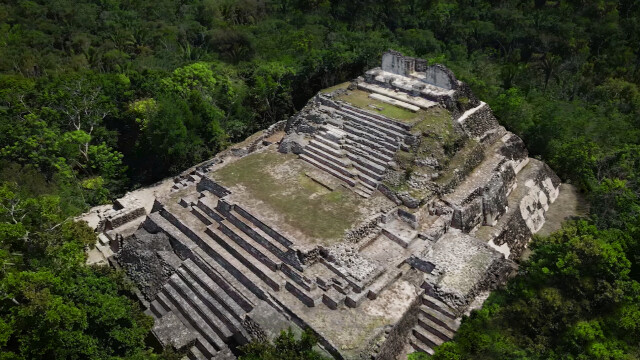
The cultural foundations of Quintana Roo are deeply linked to the Mayan civilization, whose presence remains visible in the daily life of many communities. Beyond the archaeological zones, the Mayan worldview continues to influence beliefs, rituals, and social organization. One of the most valuable elements is the Mayan language, which is still spoken in numerous homes, markets, and ceremonies. In this southeastern Mexican state, traditions are not museum pieces; they are daily, spiritual, and festive practices that continue to be passed down from generation to generation, adapting to the present without losing their essence.
The traditions of Quintana Roo reflect a deep mix between the pre-Hispanic past, colonial influence, and contemporary expressions born from contact with other regions of the country and the world. From traditional melodies played with wind and percussion instruments to more recent rhythms influenced by the Caribbean, music accompanies celebrations, rituals, and everyday moments. Jarana, sones, and other regional rhythms are heard at parties and community events, reinforcing the sense of identity and belonging.
In addition to religious and traditional festivities, Quintana Roo also celebrates civic dates with a local character. Parades, cultural acts, and artistic events adapt to the regional context, incorporating dances, music, and local symbols. These celebrations strengthen historical memory and pride in belonging to a young state, but with deep cultural roots.
Urban growth and the arrival of people from other regions have transformed the social dynamics of Quintana Roo. However, far from disappearing, many traditions have been reaffirmed as a way to maintain identity in the face of change. In markets, schools, and community spaces, the use of the Mayan language, the teaching of traditional dances, and the preparation of typical dishes are promoted. New generations actively participate in the preservation of these practices, adapting them to their current reality.
Music in Quintana Roo is diverse and reflects the cultural mix of the region. Traditional Caribbean and jungle sounds are mixed with modern rhythms. Traditional instruments like the harp and guitar are used to perform local melodies.
Dance is an essential form of cultural expression in Quintana Roo. Through movement, stories are told, gratitude is given to nature, and ancestors are honored. Some dances have pre-Hispanic roots, while others incorporate later influences. Traditional costumes, made with colorful embroidery and floral symbols, are a fundamental part of the cultural message conveyed in each performance. Dances are often presented during important festivals and community events, representing a way to preserve collective memory through the body and rhythm.
The vaquería is one of the most recognized festive expressions in southeastern Mexico and is also part of the traditions of Quintana Roo. During the vaquería, men and women dance to the rhythm of the jarana, wearing regional costumes that stand out for their elegance and color.
Among the most representative traditions is Hanal Pixán, a festival of Mayan origin that honors the dead. Its name means "food of the souls," and it is celebrated at the end of October and the beginning of November. For several days, the streets are filled with colors, food stalls, and sounds that strengthen the sense of belonging. During these days, families prepare altars with flowers, candles, photographs, and traditional dishes. Unlike other regions of the country, Hanal Pixán maintains a more intimate and spiritual character, where respect and memory are central.
The traditional cuisine of Quintana Roo is a direct reflection of its history and natural environment. Local ingredients, ancestral techniques, and culinary creativity give rise to a rich cuisine of flavors and meanings. Among the most representative dishes are: cochinita pibil (slow-cooked pork seasoned with achiote), pescado tikin-xic (fish prepared with spices and grilled over fire), sopa de lima (fresh and aromatic lime soup), panuchos and salbutes (an essential part of daily cooking). The use of recado rojo, cooking in the ground, and the use of products from the sea and the jungle show a deeply connected cuisine with the environment.
The crafts of Quintana Roo are a tangible manifestation of the state's cultural identity. In addition to embroidery, crafts made from wood, seashells, and natural fibers are common. Beyond their aesthetic value, these crafts represent a source of economic sustenance and a means of preserving traditional knowledge. Traditional agriculture, such as the milpa (an ancestral agricultural system based on the cultivation of corn, beans, and squash), continues to occupy an important place in many communities. Before planting, it is common to perform rituals for requesting rain and giving thanks to the earth. For many communities, nature is not a resource, but a living being with which one dialogues and to which one pays respect through rituals and offerings.