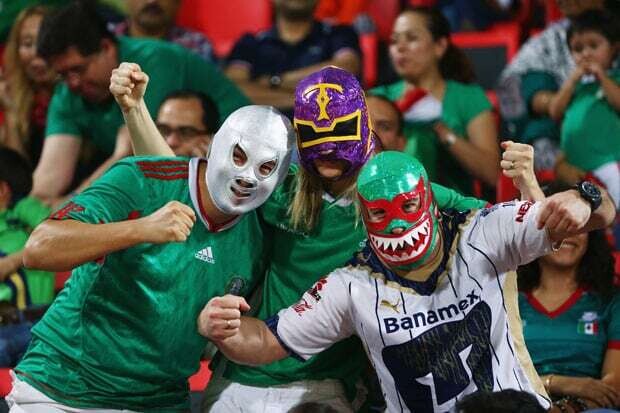
Ahead of the FIFA World Cup 2026, Mexico is not only preparing to welcome thousands of fans but also adapting to strict international security protocols that could transform the stadium experience. Among the measures drawing the most attention is the ban on traditional lucha libre masks, one of the most iconic symbols of Mexican culture. The restriction is based on security criteria, as covering the face makes it difficult to identify individuals in case of incidents. But it is not the only limitation. More than masks: a more controlled experience. The list of prohibited items also includes: musical instruments, flags, food and beverages, backpacks and suitcases, electronic cigarettes, lasers, pyrotechnics, and aerosols. In other words: The World Cup will be safer… but also more regulated. The measure revives a key debate: To what extent should security limit cultural expressions? Lucha libre masks are not just an accessory; they are identity, celebration, and tradition in Mexican football. However, since Qatar 2022, FIFA has maintained a clear stance: controlled stadiums with no covered faces or elements that hinder surveillance.