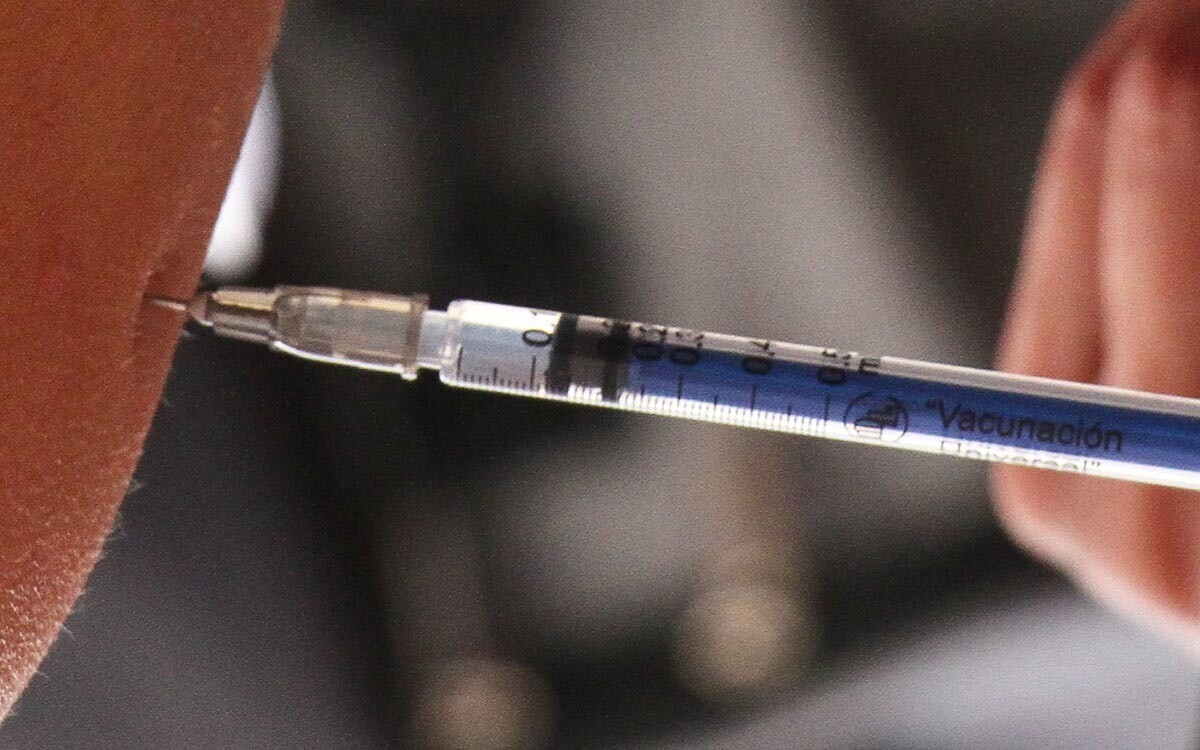
The measles epidemic in Mexico continues to be active and presents a differentiated spread by region, with outbreaks in states such as Jalisco and Chiapas, reported Dr. Mauricio Rodríguez, a professor at the Faculty of Medicine and spokesperson for the Epidemiological Risks Program at UNAM. This situation was aggravated by variations in vaccination coverage, difficulties in completing vaccination schedules in mobile populations, and the decline in vaccination during the pandemic. At the regional level, Mexico faces a similar scenario to that of the United States and Canada, where the virus has circulated continuously for almost a year. The initial outbreak in Chihuahua reached approximately 4,400 cases, after which the virus began to spread to other entities. Currently, measles is present in all 32 states of the country, although with different behaviors. The expert noted that Jalisco and Chiapas are the states contributing the most to the national epidemic. He emphasized that each region faces specific challenges, from completely unvaccinated communities to agricultural day laborers, people in situations of mobility, and indigenous populations with low coverage. Rodríguez explained that measles begins with symptoms similar to a severe cold, which hinders its early identification. Although most cases are not serious, the specialist warned that complications such as pulmonary and auditory issues, as well as hospitalizations, may occur, increasing the risk of contagion in the community. He stated that it is important to pay attention to local indications, review vaccination records, and reinforce measures to prevent contagion. He also indicated that there is no problem with people over 49 years deciding to get vaccinated, especially health and education personnel. However, a person can be contagious from four days before the appearance of the rash until four days after. According to international technical criteria, this situation implies the loss of the country's measles-free status. Therefore, he recommended preventive measures from the respiratory phase, such as the use of masks, ventilation of spaces, hand hygiene, and avoiding unnecessary social interactions. Regarding vaccination, he clarified that those who have already had measles do not need to be vaccinated again, as they acquire lasting protection. "All studies that have been done […] indicate that people over 50 years of age have sufficient protective levels," he affirmed.