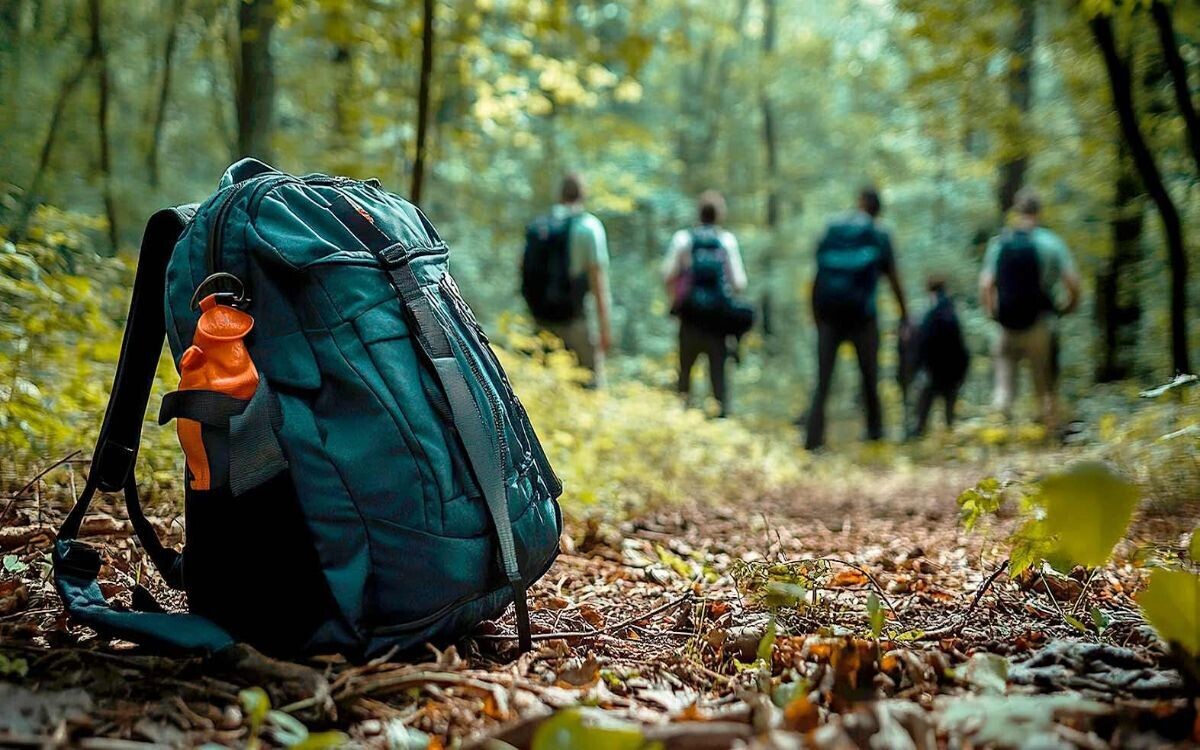
Students at the National Autonomous University of Mexico (UNAM) are carrying out a psychosocial accompaniment campaign for mothers and relatives of missing persons, as part of the social service program in Forensic Anthropology and Human Rights. The initiative seeks to combine academic training with community action, offering emotional support and practical assistance to affected families, as well as strengthening the university's solidarity network in the face of disappearances in Mexico. “Accompaniment is not limited to being present; it involves providing emotional support, accompanying daily tasks, and offering guidance in critical moments,” explained Lilia Escorcia, head of the Forensic Anthropology Laboratory at the Institute of Anthropological Research. Each new participant strengthens our response capacity and expands the support network we can offer. During this week, students participated in search patrols and logistical support tasks, such as transporting relatives, registering information, and coordinating with search collectives. “Putting ourselves in the shoes of these families allows us to understand the human dimension of their pain and the urgency of their searches,” said Javadd Jacobo, a Physical Anthropology student. The program includes training in psychosocial accompaniment, communication tools with families, and the possibility of joining a network of students who want to join the collective effort. The campaign also aims to raise awareness in the university community about the importance of social participation in the face of forced disappearance. It also seeks to motivate more students to join this type of solidarity action, combining academic learning with tangible civic commitment.