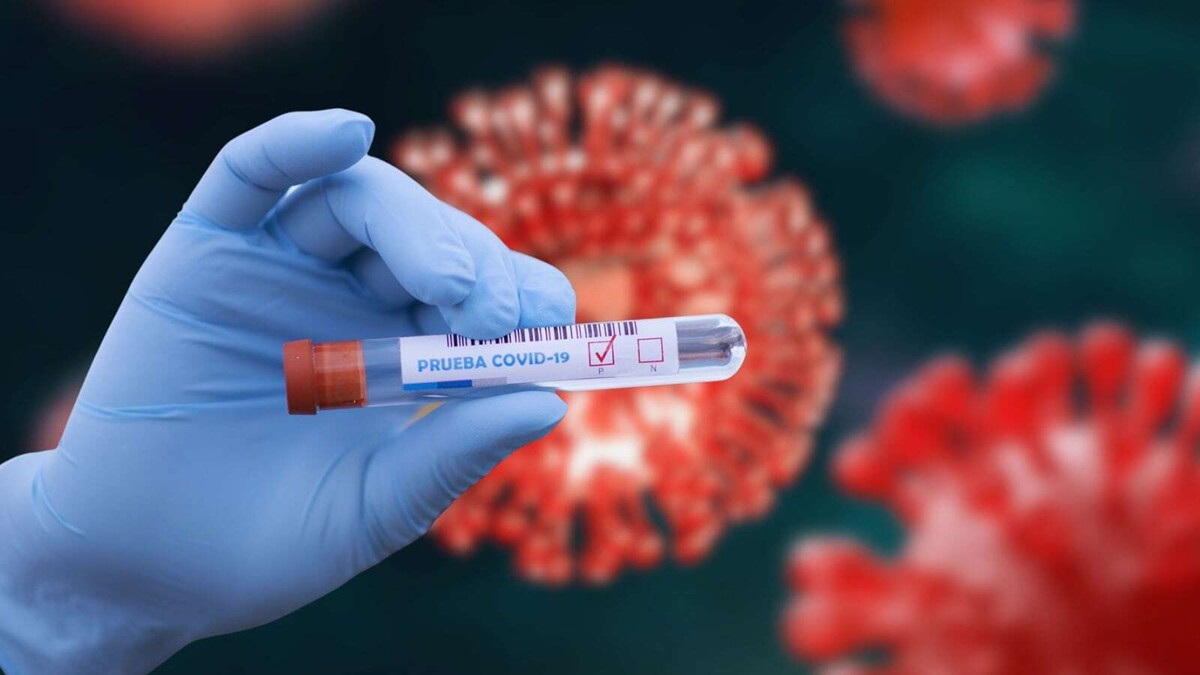
A new COVID-19 variant known as 'Cicada', identified as BA.3.2, has caught the attention of specialists. Due to its multiple mutations, the virus may take longer to be recognized by the immune system. According to specialists, every time the virus replicates inside a cell, its genetic material changes, allowing it to adapt and maintain an advantage over other variants. This behavior could influence how the body responds to the infection, although this does not, for now, imply an increase in the severity of symptoms. The main symptoms reported in infected individuals are: fever, cough, sore throat, fatigue, muscle pain, and headache. These signs can be confused with other respiratory infections, making it difficult to identify the variant without specific tests, especially in contexts where other seasonal viruses are circulating. So far, no symptoms exclusive to the 'Cicada' variant have been identified. The variant has been detected in more than 20 countries, has over 70 mutations, and is part of the lineages derived from Omicron that remain under international surveillance. Although its spread is not yet dominant, health authorities continue to monitor its clinical behavior, especially regarding the symptoms it causes in infected people. The World Health Organization classifies this COVID-19 subvariant as low risk for now and maintains its surveillance. The clinical cases recorded remain in the mild to moderate range, mainly in vaccinated people, with no evidence of an increase in the severity of the disease. Specialists point out that the clinical behavior is similar to that observed in other Omicron sublineages, characterized by high transmissibility but lower severity compared to previous variants like Delta.