The Interagency Group (GI) informs the public that, due to intermittent sightings and stranding of hydrocarbons registered since March 2 in coastal areas of the Gulf, with focalized impacts in Tabasco, Veracruz, and Tamaulipas, actions for attention, containment, cleanup, and investigation are being maintained and reinforced to reduce environmental and social impacts.
A force of over 3,000 personnel (2,200 Navy; 700 Pemex; as well as Semarnat, Profepa, Conapesca, ASEA, Conanp, and municipalities) is maintained, with 47 vessels and boats, 48 vehicles, 7 aircraft, 2 aerial drones, 2 underwater drones, and 1,000 meters of containment booms deployed for coastal and marine response.
Currently, 39 beaches, 1 mangrove, and 1 estuary have been attended to. Of the 13 vessels in the area of interest in the Coatzacoalcos anchorage before the event began; progress shows seven vessels have been inspected (5 in Coatzacoalcos, 1 in Dos Bocas, and 1 in Tampico), while the remaining six have been reported to the international maritime community for support in conducting inspections and gathering data.
Within the regulatory framework, ASEA continues actions of supervision, verification, and investigation integration to determine the origin and, if applicable, proceed legally against those found responsible.
With technical support from the Center for Scientific Research and Higher Education in Ensenada, the monitoring of the contingency indicates that the first signs of stranding occurred on beaches in Tabasco, subsequently in southern Veracruz, and more recently, with stranding towards southern Tamaulipas.
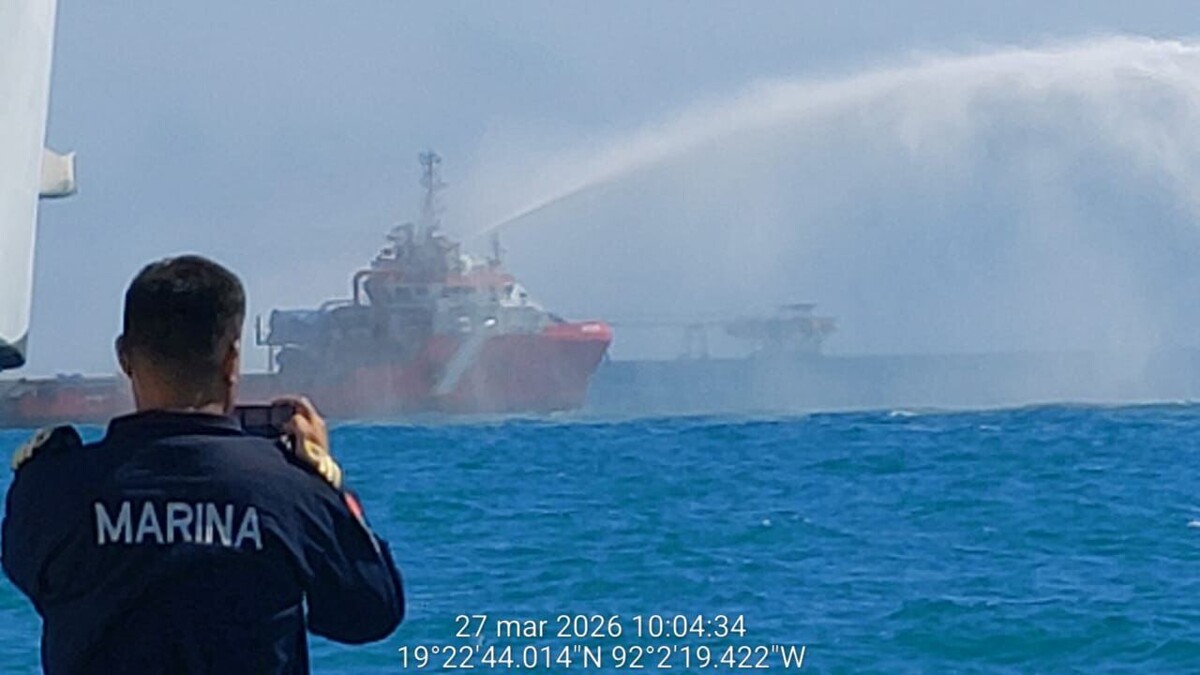
Operationally, reconnaissance and search flights are conducted along the coastal strip and in the Campeche Bank; as well as maritime and land tours in impact areas and deployment in the origin area, including actions within the Cantarell Complex.
In parallel to the operational response, the technical investigation into the origin of the hydrocarbon continues.
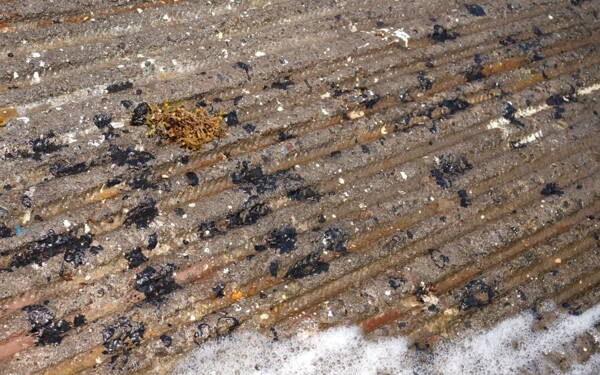
It is reported that intermittent stranding continues, mainly in Veracruz and Tamaulipas, with weathered material.
Regarding collection, the figures as of March 30 report: 42 tons collected on beaches in the day and 785 tons accumulated; and 0.6 tons collected at sea in the day and 40.6 tons accumulated.
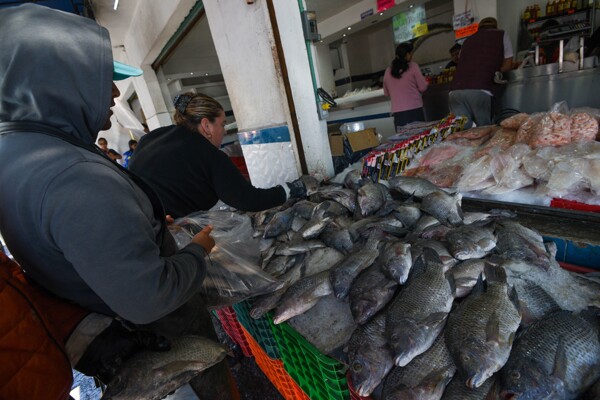
Pemex reported that it maintains support of 35 million pesos destined for fishermen, health services, and fuel supply, as well as actions for the temporary hiring of the local population for cleanup tasks and the operation of a mobile medical unit for attention in affected municipalities.
Complementarily, this Interagency Group maintains coordination with environmental and fishing authorities to channel community reports, prioritize sensitive sites (mangroves and estuaries), and guide preventive measures for the population in areas with intermittent stranding.
To mitigate risks and frequent concerns, the public is reminded:
Avoid direct contact with oily or weathered material on the beach. Report findings to local authorities or to the attention agencies defined by the Interagency Group. Allow the work of brigades and respect cordoned-off areas, especially where booms or machinery are deployed.
To guide actions and anticipate stranding, the analysis of winds and currents and the forecast of the hydrocarbon's trajectory are maintained.
Penalties for the illegal handling of hazardous substances causing environmental damage, established in article 414 of the Federal Criminal Code, could range from 1 to 9 years in prison, from 300 to 3,000 days of fine and/or the repair and compensation of the environmental damage.
The Government of Mexico reiterates its commitment to maintaining continuous actions until the mitigation of effects associated with the presence of hydrocarbons.
In turn, the operational record of affected wildlife associated with this contingency is reported as 8 cumulative cases.
It is important to highlight that in the "chapopoteras" area of Cantarell, containment barriers have been installed and the mechanical dispersion of water jets and inspection activities continue with the support of six vessels and an underwater drone.
Likewise, Profepa follows up on citizen reports about the presence of hydrocarbons and, in coordination with state institutions, provides attention and channels affected wildlife specimens affected by hydrocarbons.
In the exercise of its attributions, ASEA already filed a criminal complaint with the Attorney General's Office (FGR) on March 27 for the possible commission of environmental crimes.
To date, a tour and review of the pipelines associated with the Akal C and Akal H complexes have been conducted to verify mechanical integrity; the results of this review will be reported upon completion.
It should be mentioned that PEMEX has identified the reactivation of natural hydrocarbon emanations off the coast of the municipality of Coatzacoalcos, for which supervision, containment, and cleanup activities were immediately activated.
Factors such as cold fronts, increased wave action, and winds favor the displacement of the crude oil in the process of weathering towards shallower waters and the coast, a phenomenon that occurs more frequently during the winter season.
For this reason, PEMEX maintains permanent vigilance in the area and continues with coordinated actions to provide environmental attention to mitigate associated natural events and guarantee adequate conditions.
Similarly, the legitimate concern of coastal communities about impacts on fishing, tourism, health, and well-being is recognized.
54.3 km were attended to in the day and 630.9 km accumulated of coastline.