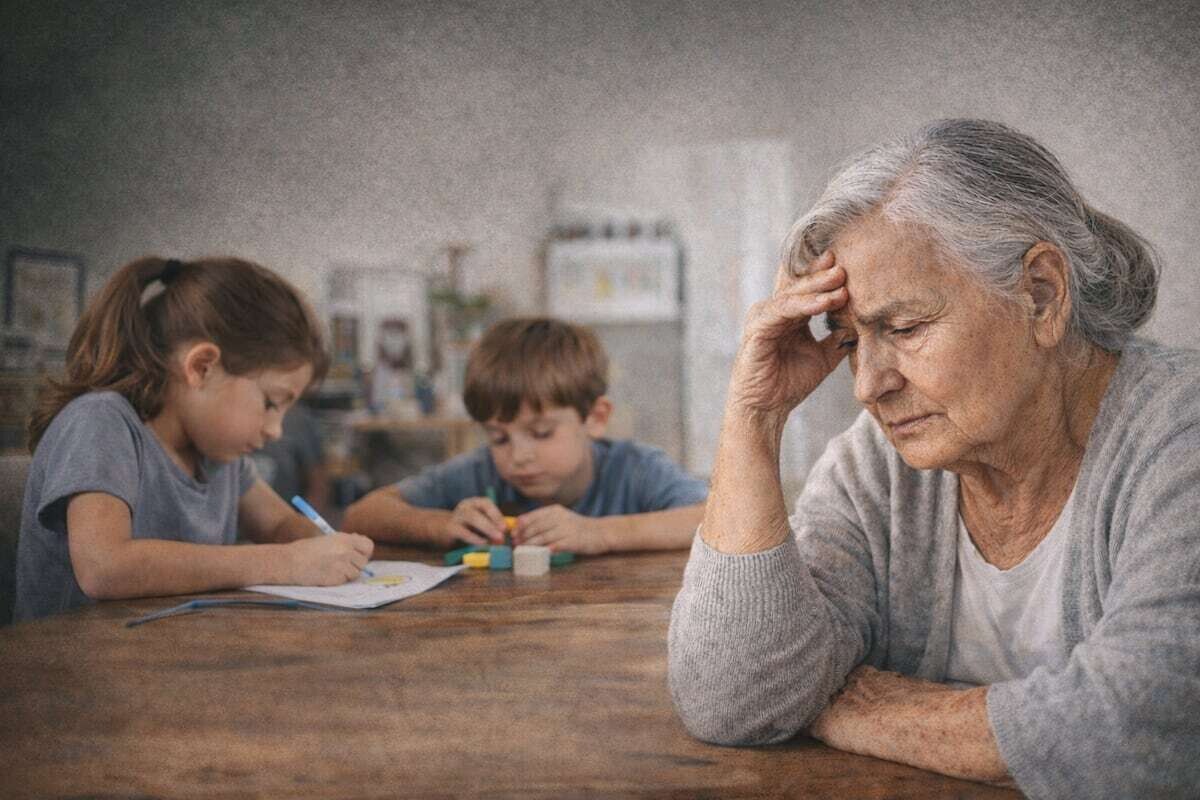
For millions of Mexicans, turning 50 is not always synonymous with rest or entering retirement; on the contrary, for millions, it means caring for someone else. This is why a large part of this population remains active in their homes, as one in three Mexicans suffers from the "grandparent slave syndrome," according to data from the National Institute of Statistics and Geography (Inegi). This situation goes beyond a simple commitment, as childcare brings with it a physical and emotional overload that can trigger not only degenerative diseases but also caregiver burnout. This occurs when a grandparent feels responsible for a child's upbringing that is not their duty and is unpaid. The problem is not minor, as this situation often generates tension in the home—between parents and children—especially due to differences in raising the children or the accumulated exhaustion of the grandparents. Furthermore, this labor is not distributed equitably, as women primarily dedicate more than 43.7% of their time to caring for grandchildren, while men only allocate 25.1%; according to the latest figures from the National Institute of Statistics and Geography (Inegi). Therefore, experts on the issue have called on young Mexicans to have conversations with their parents, as not only the health of older adults may be at risk, but there could also be problems in the grandchildren's relationship with their parents.
What is the grandparent slave syndrome and what is its cure?
The grandparent slave disorder, or the "exhausted grandmother"—as it is also known—occurs when childcare becomes an obligatory task that ends up conditioning the lives of older adults, both physically and psychologically. This duty—which does not correspond to the grandparents—consumes a large part of their time, to the point of causing them to disconnect from friends and family, and in some cases, even leading to isolation. Among the most common symptoms of this disorder are the elimination of their social life—beyond the immediate family—sadness, irritability, and even a loss of the feeling of enjoying their lives. Similarly, grandparents may develop physical problems or see their chronic illnesses worsen, such as hypertension, which is suffered by 41.5% of people aged 50 and over, according to Inegi. On the other hand, experts recommend that to prevent this type of disorder in older adults with grandchildren, their children should be aware of the grandparents' age and lifestyle. While in cases where childcare is necessary, parents should set a limit on the hours of care—thus leaving room for other activities—and give a bonus to the older adults for this work for successful aging.
What is successful aging?
Successful aging is a model that seeks the maximum quality of life for older adults, such as a low probability of illness and optimal physical/cognitive functioning. At the same time, it implies autonomy and active participation in society, such as maintaining strong family and friendship ties, learning new things, or engaging in activities that stimulate the brain.
Data:
Positive effects of caring for grandchildren:
• Positive sense: Caring for grandchildren can offer adults a feeling of satisfaction, as it keeps them active and useful. • Strengthening bonds: Interaction with grandchildren allows for the reinforcement of family bonds and the transmission of values or traditions. • Emotional well-being: The company of grandchildren can improve mood and reduce loneliness.
Negative effects:
• Stress and exhaustion: Prolonged responsibilities can lead to fatigue, especially if grandparents face their own health problems. • Loss of freedom: Constant care limits the independence of grandparents, causing frustration. • Family conflicts: Imposed obligations can lead to tension and resentment. • Impact on mental health: Continuous stress can result in anxiety and depression, affecting the social life and rest of the grandparents.
How is aging in Mexico?
In Mexico, 41.5% of adults aged 50 and over have a diagnosis of hypertension, of which 47.9% are women and 34.3% are men, according to Inegi. The National Survey on Health and Aging by Inegi estimates that the population of adults aged 50 and over in Mexico is 32 million people. In our country, 35% of people aged 50 and over engaged in caregiving activities for children under 12 or for sick or disabled adults, according to Inegi.