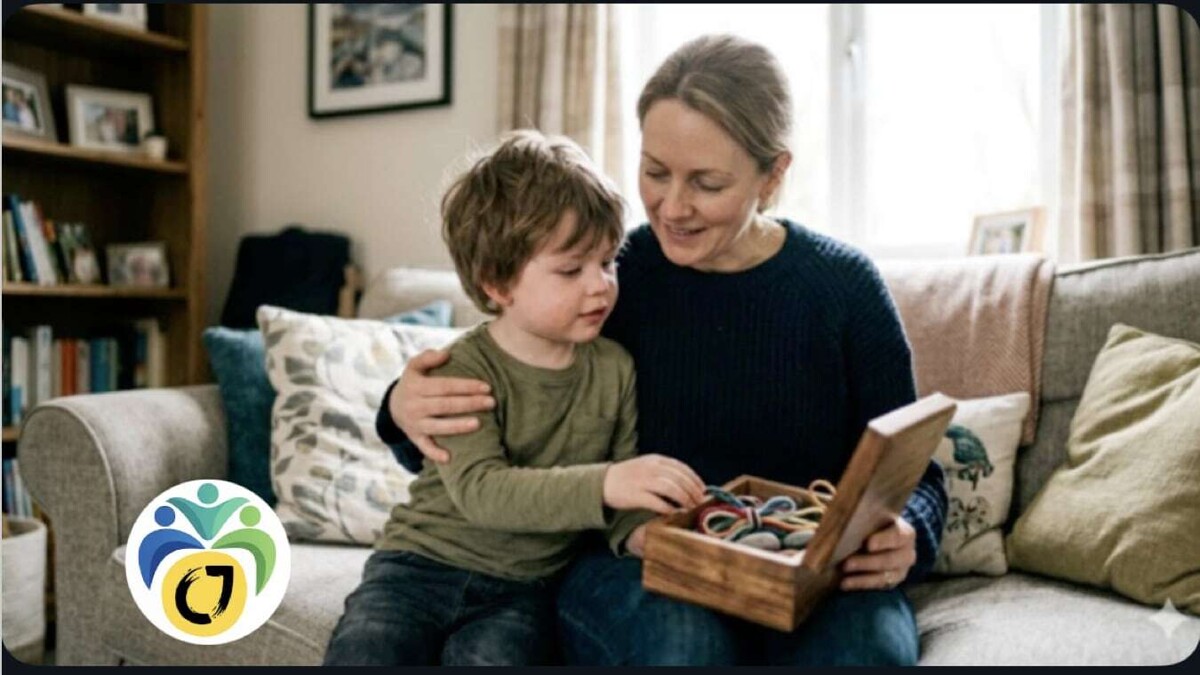
Less individual labels and more systemic responsibility. By strengthening the support network and healing primary bonds, we allow the child to stop being a living symptom and reclaim their right to simply be a child. If we only work with the child (the smallest microsystem) but do not address the dynamics of the caregivers, the change will be superficial and fleeting. Therefore, it is vital that parents and caregivers attend and actively participate. The idea that children are 'sponges' is more than just a saying; it is a proven neurobiological and systemic reality. Healing childhood requires the courage of adults to look at their own reflection in their children's behavior. Often, adults are not aware that their own unresolved conflicts, partner crises, or inherited traumas seep into parenting. The child, in their blind love, 'carries' what the adults have not been able to name. Epigenetics offers fascinating proof: the environment can 'turn on' or 'turn off' certain genes through the quality of the bonds. When we observe the behavior of a minor, we do not see an isolated behavior, but the final result of a chain of influences that begins at home and extends to the social structures of the world we inhabit. Current science is unequivocal: child development is an ecological process where the individual is a direct reflection of the health of their environments. One of the pillars supporting this statement is the study of Adverse Childhood Experiences (ACEs), which demonstrated how chronic stress in the home—violence, addictions, or emotional instability of caregivers—physically alters the development of the child's brain. The reality is that the child's symptom is just the tip of the iceberg of a dynamic that involves the entire family system. As Urie Bronfenbrenner taught, the child is at the center of several interconnected systems. When parents begin their own personal, family, or couples work, something transformative happens: the child's symptoms not only diminish, but become the compass that allows us to piece together what was fractured in the system. 'Problem' behavior ceases to be a burden and becomes a valuable source of information about what needs to be healed at the core of the home. At C7 Salud Mental, we understand that diagnosing the minor is insufficient. However, there is a common error in the search for solutions: believing that bringing the child to therapy, like taking a broken object to be repaired, will solve the problem. Caring for the world around the child is ultimately the only real way to guarantee their well-being. YOU MATTER! And at C7 Salud Mental, we are here to listen to you and assist you.