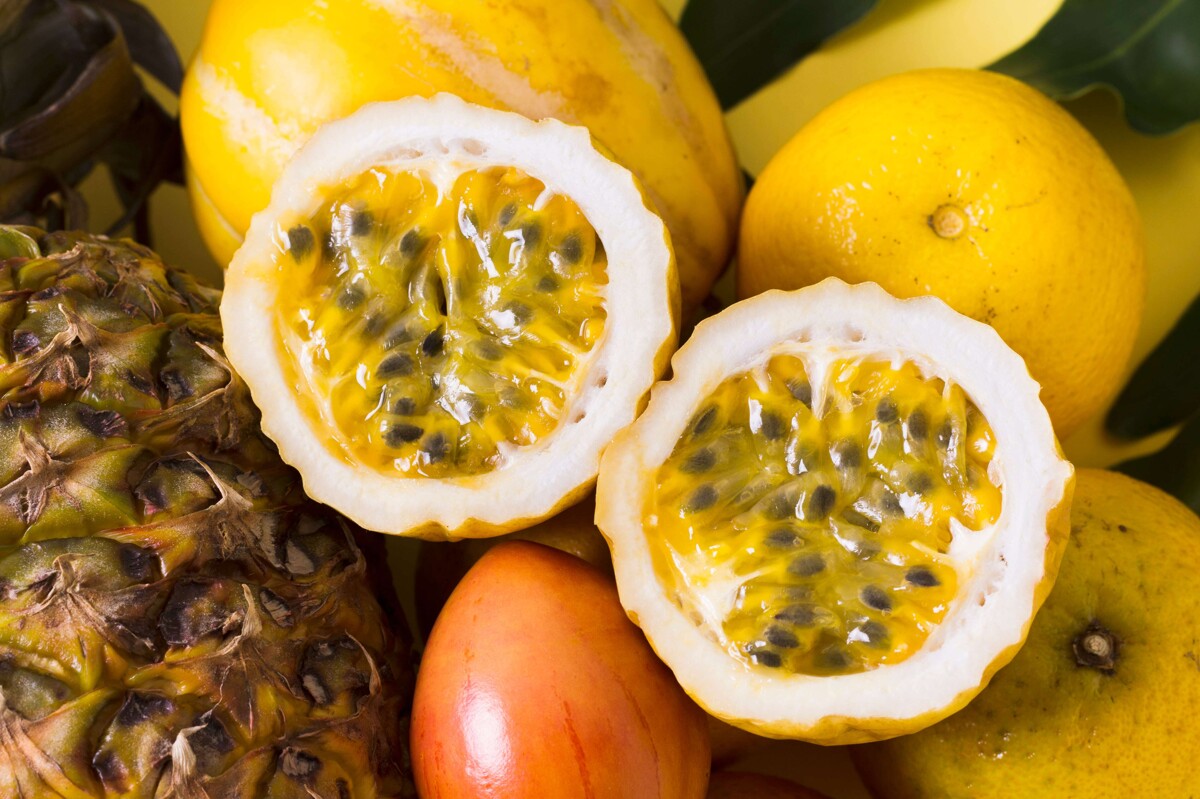
Passion fruit is a filling and rejuvenating fruit that allows us to consume it in many ways. Support for respiratory health. Passion fruit has traditionally been used to treat respiratory problems such as asthma and cough. Strengthens the immune system. Passion fruit is a rich source of vitamin C, an antioxidant that helps strengthen the immune system. Antispasmodic properties. The antispasmodic properties of passion fruit make it useful for relieving muscle spasms and cramps. This is due to the presence of alkaloids and flavonoids in the fruit. Consuming passion fruit can increase white blood cell production and improve the body's ability to fight infections. Compounds present in the fruit can help relax the muscles of the respiratory tract and facilitate breathing. THE KEYS • Passion fruit is an exotic fruit somewhat different from what we are used to seeing in supermarkets due to the contrast of flavors it gives to the palate. • The fruit of passion, as it is also known, is filling and draws a lot of attention due to its peculiar colors and shapes. • There are different types of passion fruit, such as purple, sweet, and sour, which differ by the color of the shell, pulp, and taste. • The leaves, flowers, and pulp can be consumed in juice or tea form; the shell can be used to prepare flour to add to foods, while the flowers are used to make capsule supplements. NUTRITIONAL PROPERTIES For every 100 grams of dried passion fruit pulp, we will get: 97 kcal; 22 grams of protein; 0.5 grams of fat; 23.4 grams of carbohydrates; 10.4 grams of fiber; 3.4 grams of iron; 128 mg of magnesium; 150 mg of phosphorus; 30 mg of vitamin C; and 64 mcg of vitamin A. IMPROVES MOOD. Its consumption can have a positive effect on people's mood due to its relaxing properties. Compounds present in the fruit, especially in the leaves, have relaxing effects that help combat insomnia and anxiety. From jams and cocktails to desserts and juices, this tropical fruit is very refreshing and incredibly versatile, in addition to providing numerous benefits to our body. CHARACTERISTICS • Passion fruit has a sour and sweet taste at the same time and the shell that covers it is hard, which can be purple or more yellowish, depending on the region where it was cultivated. • Inside it holds a slippery and very juicy pulp full of dark seeds. • It stands out for its use in the preparation of desserts and juices, being consumed throughout Latin America. • In addition to passion fruit, it is also known by the names granadilla, parcha, and parchita. BENEFITS The benefits of passion fruit are: 1. Support for eye health. It is a fruit rich in vitamin A, which is essential for eye health. Consuming this fruit regularly can help prevent constipation and promote a healthy digestive system. 3. The fruit can help reduce stress and improve general well-being. 10. Consuming passion fruit regularly can help prevent age-related eye diseases, such as macular degeneration. 8. Sedative properties. One of the best-known properties of passion fruit is its ability to act as a natural sedative. IMPROVES DIGESTION. It is rich in dietary fiber, making it ideal for improving digestion. IMPROVES CARDIOVASCULAR HEALTH. It contains potassium, an essential mineral for cardiovascular health that helps regulate blood pressure and reduce the risk of heart disease. Anti-inflammatory properties: The antioxidant compounds present in this fruit, such as polyphenols and carotenoids, have anti-inflammatory properties that can help reduce inflammation in the body and alleviate symptoms of diseases like arthritis. 5. Blood sugar control. Different studies have shown that the compounds in passion fruit can help regulate blood sugar levels. This is especially beneficial for people with type 2 diabetes, as it can help control glucose more effectively. 7. Its antioxidants help prevent oxidative damage to the arteries. 6.