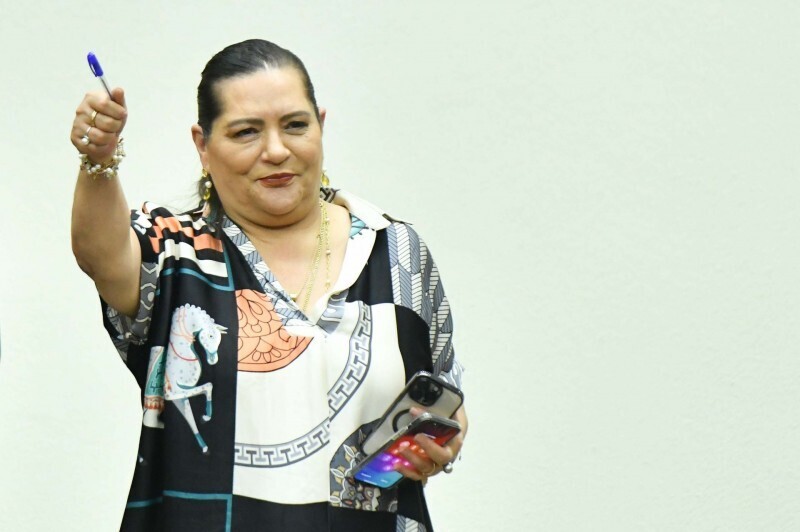
In Mexico, a reform of the electoral system is being prepared, which could strengthen the power of the president and weaken the autonomy of the National Electoral Institute (INE). The ruling coalition of the 'Fourth Transformation' (4T) is pushing for the reform's approval, while the opposition is growing increasingly concerned. According to information from opposition parties, the presidential administration allegedly facilitated the appointment of Guadalupe Taddei as president of the INE to secure support for its initiatives. Taddei has been granted the authority to hire and fire elite bureaucrats, a power previously avoided. In exchange, opposition sources claim, she facilitated the approval of the presidential reform, avoiding the overt activism from the INE seen in the past. The opposition asserts that the presidency has vetoed an increased budget for the INE, respect for its historical autonomy, and the development of a legislative proposal in consensus with the minority. During one event, Taddei presented a document with 241 technical proposals to Pablo Gómez, head of the presidential reform commission, who ignored three key aspects for the INE. Several counselors, known for their opposition to the 4T, will leave their posts in April, and the opposition fears they will be replaced by individuals close to the government. Meanwhile, the INE has presented ten strategic axes to strengthen the electoral system, ensure equity, improve oversight, and citizen participation.