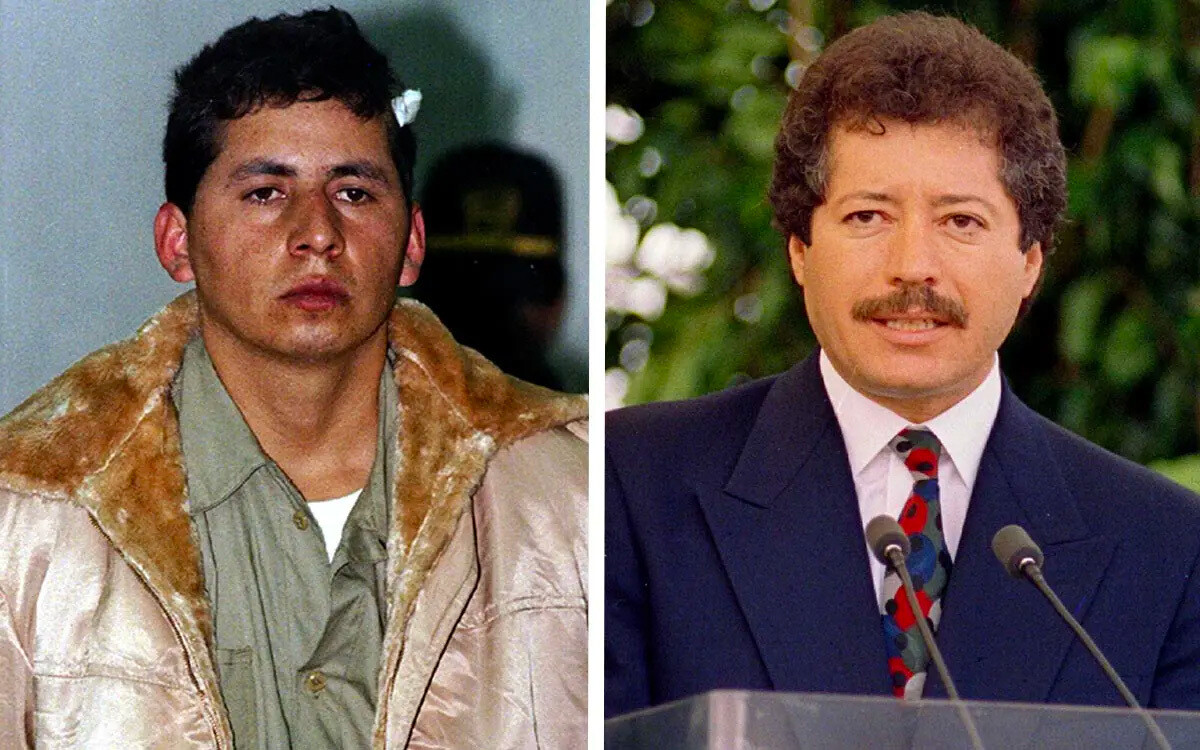
By a six-vote majority, the Supreme Court of Justice of the Nation approved the exercise of its power of attraction to definitively resolve whether the sentence imposed on Mario Aburto Martínez for the assassination of Luis Donaldo Colosio should be 30 or 45 years in prison, also defining the release of the Tijuana native. The difference of 15 years in prison is explained by the application of state or federal jurisdiction to try this case. If the state sentence is applied, Mario Aburto Martínez would be released immediately, while the federal sentence would prolong the assassin's stay by another 14 years. During the session, Minister Sara Irene Herrerías recused herself from analyzing the case, as the file and criminal process against Aburto were under her command when she was Human Rights Prosecutor of the Attorney General's Office (FGR), a recusal that was approved by the majority of ministers. The amparo lawsuit 104/2021, presented by Mario Aburto's defense, argues that his client should have been released in 2024, when 30 years of the sentence for the Colosio assassination were completed, arguing that this was the maximum penalty imposed by the Penal Code of the State of Baja California at the time of the events. In contrast, the FGR argued that the maximum penalty to be imposed on Aburto is 45 years in prison, applying the maximum penalty contemplated in the Federal Penal Code. In October 2023, a collegiate court invalidated the 45-year sentence that had been imposed on Mario Aburto, ordering his immediate release. However, the FGR filed an extraordinary review petition to prevent the sentence from becoming final and also requested denying Mario Aburto's freedom while the core of the controversy was resolved. The First Chamber of the Court intervened for the first time only to deny the immediate release of Mario Aburto and with the order to remand the process, referring the case file to the First Collegiate Court on Criminal Matters of the State of Mexico. Nevertheless, Aburto's defense again demanded the intervention of the Supreme Court to define whether his client should be prosecuted and sentenced under federal or state jurisdiction. Mario Aburto's defense has pointed out that the homicide of Luis Donaldo Colosio, despite being an assassination, was not a federal crime, as at that time the PRI's presidential candidate was not a federal official. Therefore, the Supreme Court must define the parameter for analyzing a criminal procedure on assassination under the traditional penal system in force in 1994, in order to guarantee the rights of the complainant (Mario Aburto) and the victim (Luis Donaldo Colosio).