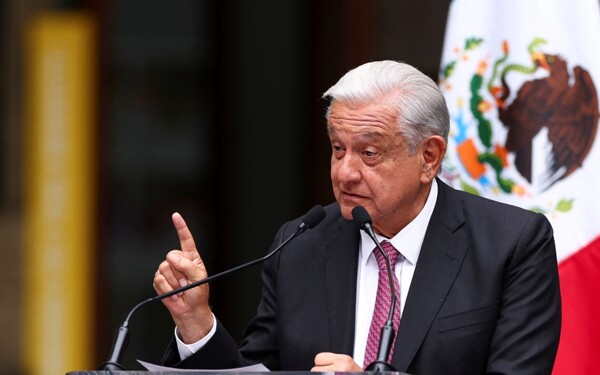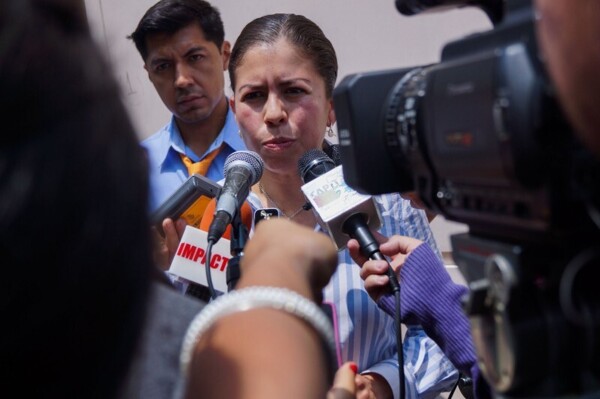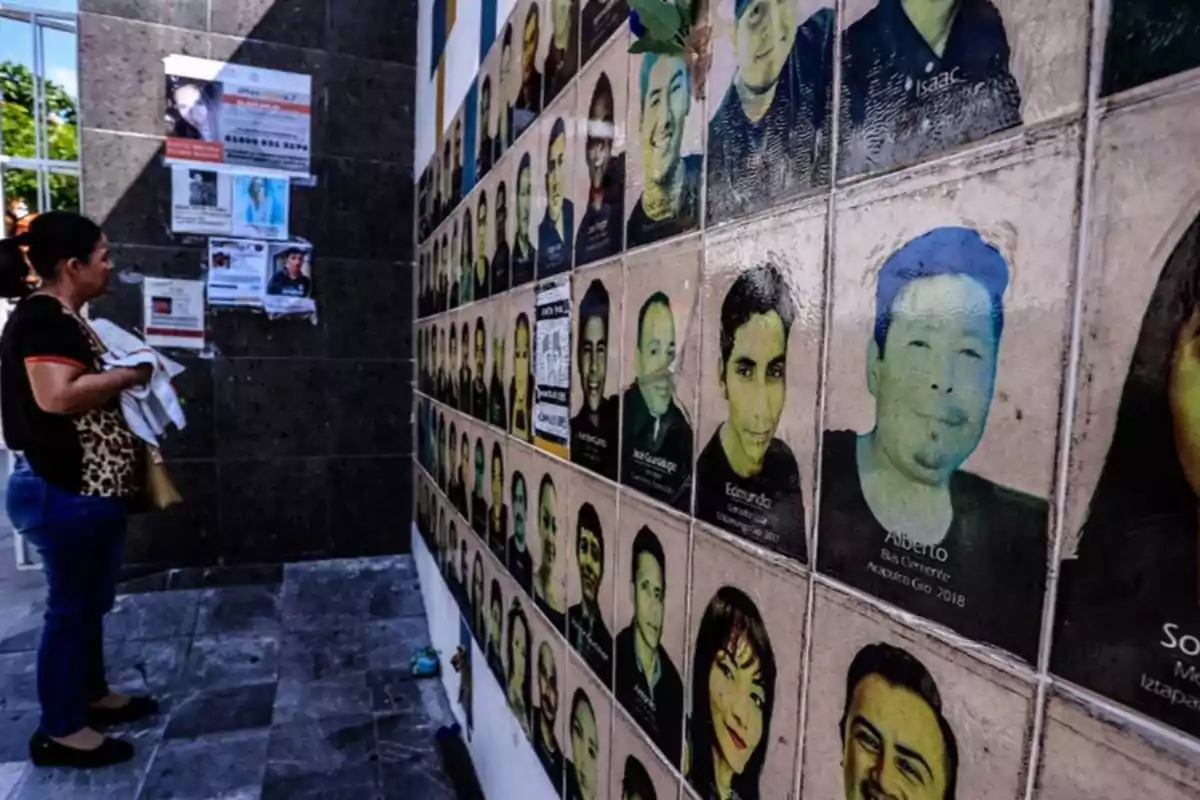
In Mexico, the vast majority of crimes do not result in a conviction, which weakens any deterrent effect and pushes families to become researchers, makeshift experts, and field searchers. In this context, disappearance becomes a functional method: it hides the body, erases evidence, reduces the immediate statistical impact, and complicates criminal prosecution. The crisis is also fueled by increasingly extensive criminal economies, including human trafficking, sexual exploitation, extortion, and crimes linked to migrants. This tragedy, which spans the country from north to south, returned to the center of the debate after a report from the organization Mexico Evalúa warned that in the last decade, disappearances have skyrocketed by over 200%, paralleling the territorial and economic consolidation of criminal groups and the deterioration of the state's capacity to investigate, prosecute, and sanction. The story of Ángel Montenegro, a 31-year-old construction worker kidnapped in broad daylight in Cuautla in August 2022, exposes the repeating pattern in hundreds of localities: quick abductions, unmarked vehicles, selective witness releases, and minimal traces to reconstruct the victim's fate. The result is a phenomenon that captures not only lethal violence but also a form of domination: large areas of the country fall under the de facto control of armed organizations, while the state retreats in its capacity for prevention and response. In 2018, the state launched the National Search Commission and a public registry to document cases, facilitate complaints, and systematize information. To this picture is added the physical risk: search collectives operate in territories where cartels exert control, and where digging can be, in addition to painful, dangerous. The Montenegro case condenses this collapse: searches that yield bodies of other victims, periodic returns to areas where the phone last pinged, findings of mass graves that bring no closure, and a family life split between work, caring for their own, and an obsession with finding. At the same time, a promise was made to publish an updated report to offer a more precise count, although experts warn that any official measurement will remain incomplete if search, forensic identification, and judicial mechanisms are not strengthened in a country where the justice system's response is slow, fragmented, and vulnerable to corruption. Impunity is the central fuel. In Mexico, more than 130,000 people are considered missing, a national tragedy that expands at the pace of the cartels and leaves tens of thousands of families trapped between impunity, fear, and searching on their own. The platform also became a focus of political conflict: before the 2024 elections, then-President Andrés Manuel López Obrador ordered an opaque review of the registry, which led to a major public controversy by proposing drastic reductions in the count of missing persons and sparking protests from collectives, specialists, and human rights organizations, who denounced underreporting and recategorizations. The current president, Claudia Sheinbaum, responded harshly to the new report and questioned the reliability of the official platform, stating that “it has many problems.” The growth of these practices is associated with territorial expansion, forced recruitment to swell ranks, the “cleaning” of rivals to conquer territories, and the need to reduce the visibility of homicides. When institutional searches are conducted, they often face a lack of resources, delays in forensic analysis, a lack of coordination between prosecutors, and forensic deficiencies to process findings. As with so many other mothers, she ended up joining a search collective that traverses fields and peripheries with metal rods, trying to detect clandestine burials where the state does not arrive or arrives late. The crisis of the missing has ceased to be a marginal phenomenon; it is now a snapshot of the real power in Mexico and a brutal evidence of the gap between the official narrative and the daily experience of thousands of households.