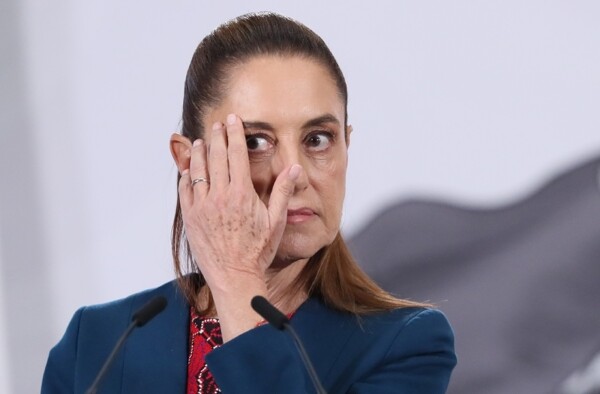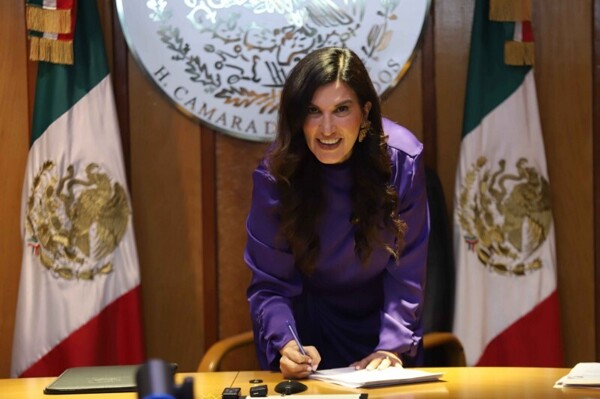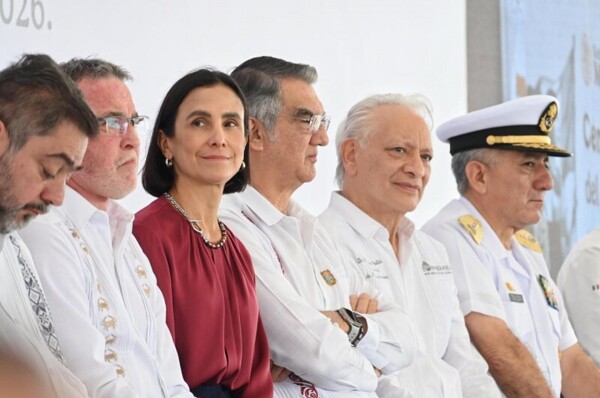
The President of Mexico, Claudia Sheinbaum, sent her electoral reform proposal to the Chamber of Deputies, two days late and amid dialogue with allied party forces that threaten to torpedo the document. This begins the legislative process of analysis and debate of the proposals, which must achieve the support of two-thirds of legislators in both chambers. Main proposed changes: 1. Political Party Financing and Oversight. Reduction of public financing: The formula for the maintenance of parties' ordinary activities is adjusted downward, multiplying the number of citizens on the electoral roll by 48.75% of the daily value of the Measurement and Updating Unit (UMA), in contrast to previous higher percentages. Electronic private contributions: Cash contributions are prohibited. The results of these mechanisms will be binding when participation is at least 40% of the citizens registered on the nominal list. 2. Composition of Congress. Senate of the Republic: The composition is reduced to 96 senatorial seats, repealing the 32 that were allocated by the principle of proportional representation. Chamber of Deputies: It remains at 500 seats (300 by relative majority and 200 by proportional representation), but drastically changes the way the 200 proportional seats are assigned. 100 seats by direct vote in five regional constituencies, which will also include deputies elected by Mexican citizens residing abroad. Migrant legislators: For Mexican residents abroad to be deputies or senators, they must prove they have had an effective residence outside the national territory for more than three years. 3. Citizen Participation, Affirmative Action, and Nepotism Ban. Affirmative action: In the selection of candidates, affirmative actions will be guaranteed in favor of historically underrepresented groups, such as people with disabilities, youth, women, migrants, indigenous peoples, and Afro-Mexicans. Nepotism ban: Among the reform's objectives is the express prohibition of any official from leaving a relative in their position consecutively. Direct Democracy: Informed public debate will be promoted in popular consultations, and the hiring of propaganda on radio, television, and other massive platforms to influence citizen preferences on said consultations is prohibited. 4. Reduction of Official Time in Media. The time available for the National Electoral Institute on radio and television during electoral campaign periods is reduced to 35 minutes daily. 5. Artificial Intelligence and Information Technology. Mandatory AI labeling: All electoral content that is created, altered, or modified through the use of Artificial Intelligence (or any other technology) must be obligatorily labeled by its issuer for clear identification. Platform responsibility: Radio and television concessionaires, as well as digital service platforms, will be responsible for identifying, preventing the dissemination of, and warning about content that lacks AI labeling. Electronic voting: The use of information and communication technologies for voting in popular consultations is permitted.