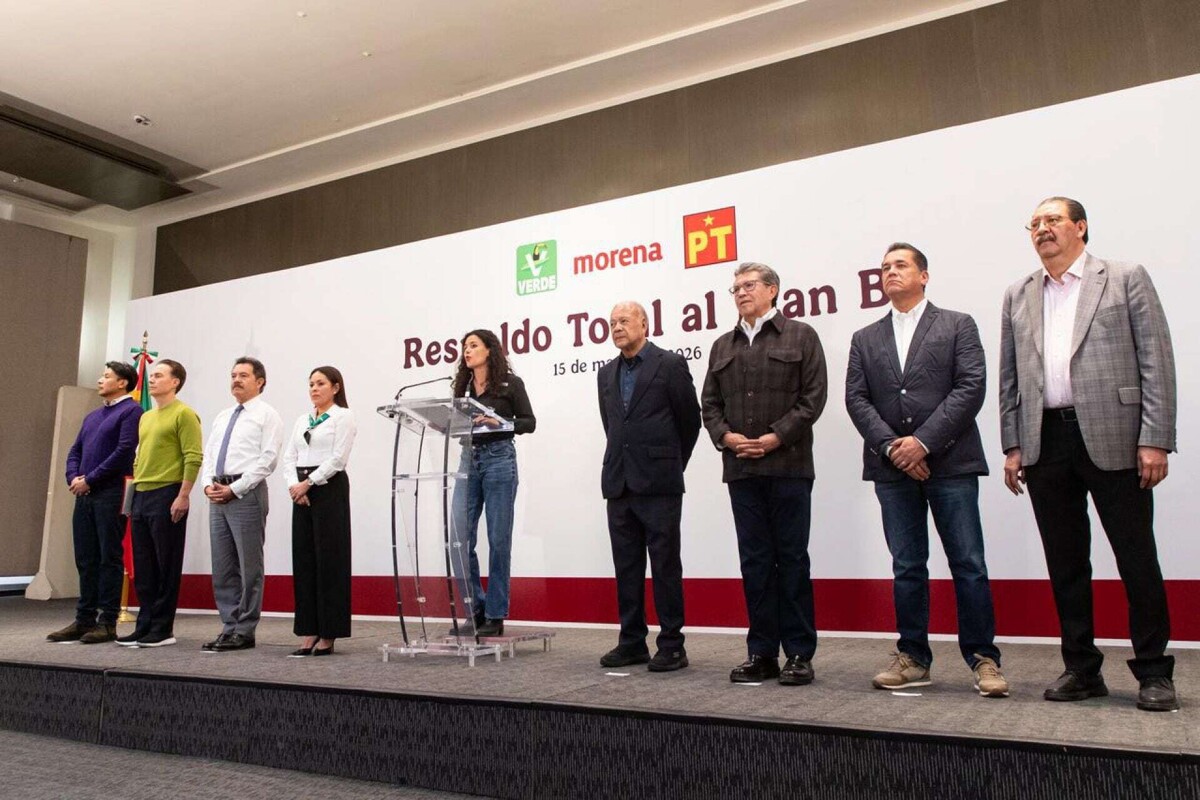
The Mexican Senate has begun the discussion of the 'Plan B' electoral reform proposed by Claudia Sheinbaum. This plan is an alternative after the initial 'Plan A' was rejected by the Green Party and the Labor Party (PT). The new project proposes less radical changes: it does not provide for the complete abolition of proportional representation deputies but retains the goal of reducing the number of aldermen in municipalities. 'Plan B' also does not affect the budget of political parties or the National Electoral Institute (INE). One of the key and controversial initiatives is the date for the recall referendum. It is proposed to be held in 2027, which will coincide with the gubernatorial elections in 17 states. This move is criticized by the opposition, as it could create unfair advantages for the current administration. Opponents, including the PAN party and Senator Luis Colosio Riojas, argue that the reform does not actually cut privileges but, on the contrary, grants them to the president, allowing her to campaign for herself during her morning press conferences. They also note that the reform contains 'turbid' rules and violates the principles of fair competition. In turn, supporters of the reform, such as Luis Alfonso Silva Romo from the Mexican Green Ecologist Party (PVEM), believe that its main goal is to reduce privileges in legislative bodies and municipalities to free up funds for social programs.