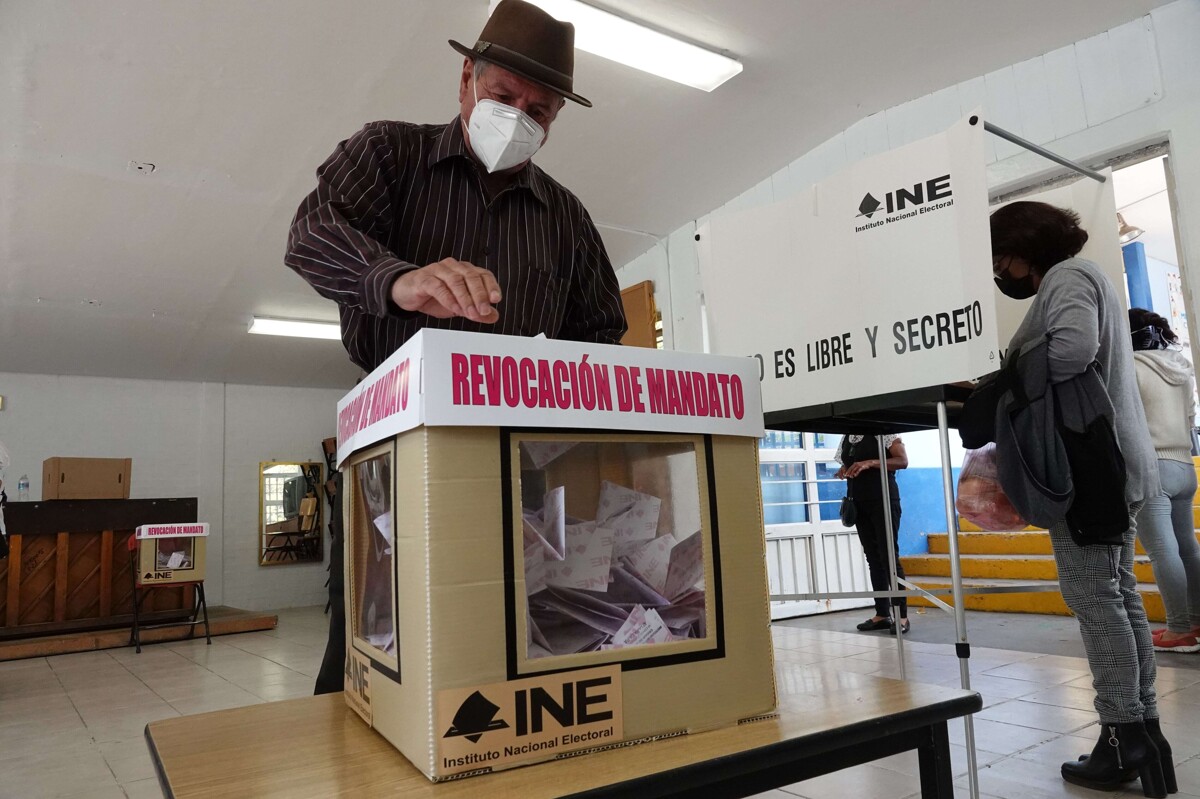
Mexico's adoption of direct democracy institutions, such as popular initiative, referendum, plebiscite, popular consultation, and recall, occurred relatively late. The popular initiative (citizens' right to propose laws) and popular consultation (to decide on matters of national importance through public vote) were only incorporated in 2012, towards the end of Felipe Calderón's presidency. The recall of mandate (to remove the president through a vote) was added to the Constitution in December 2019. Mexico currently has only three of these figures: popular initiative, popular consultation, and recall. The latter, the recall, is a figure that enjoys little acceptance worldwide. Historically, there have been three modalities for exercising democracy: direct, representative, and semi-direct. In direct democracy, citizens periodically gathered in assemblies to decide on general matters. Representative democracy, the most common form, involves citizens electing representatives (mayors, governors, deputies, senators, and the president) to make decisions on their behalf. Semi-direct democracy combines elements of the first two. However, in Mexico, the recall is only applicable to the heads of the executive branch of the Federation and the states. To request a recall, it is sufficient to gather signatures from 3% of registered voters in at least 17 states, curiously without requiring promoters to state their reasons. Such a process can easily lead to political manipulation and artificially generated turbulence. In essence, it gives the incumbent president a nearly unlimited license to campaign, attack opponents, and make false statements, which is frankly absurd.