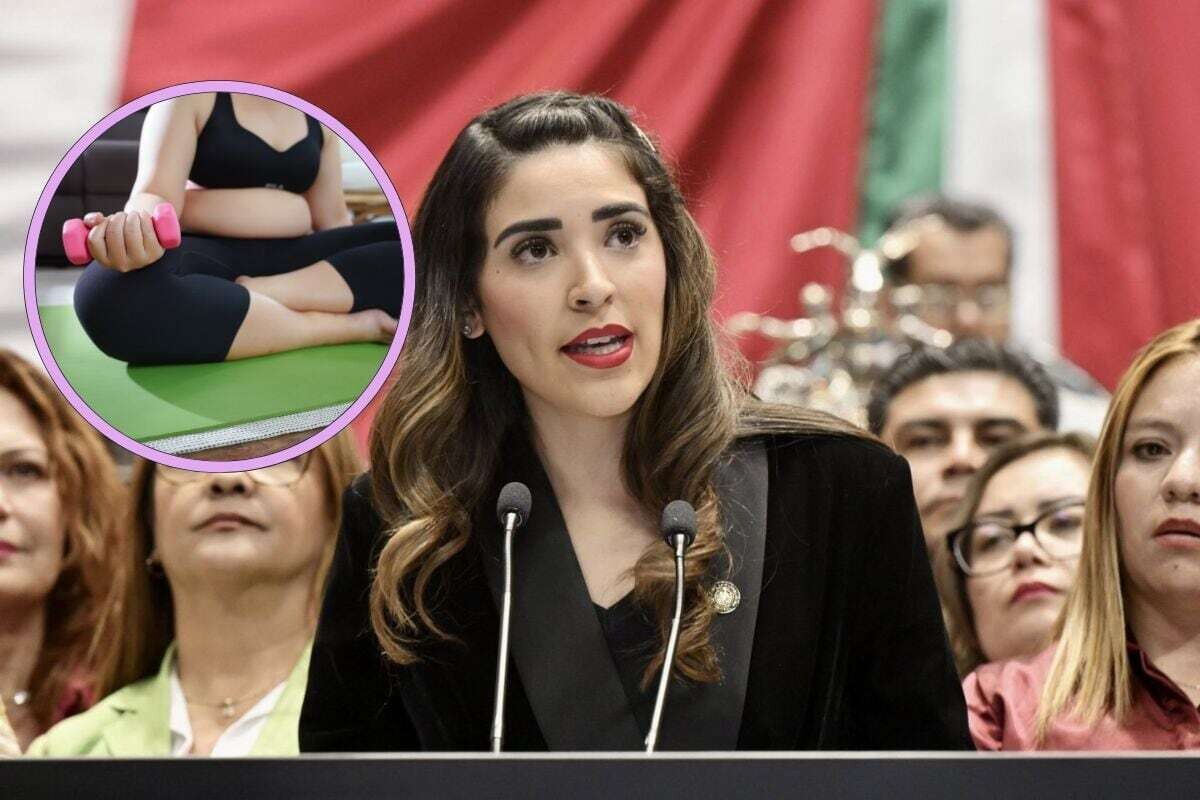
In Mexico's Chamber of Deputies, they are seeking to recognize aesthetic violence as a form of gender-based violence. This is proposed by amending the General Law for Women's Access to a Life Free from Violence. The deputy from Morena, María Teresa Ealy Díaz, stated that in spaces such as beauty pageants, concerning practices have been documented, such as constant criticism of the body, dietary restrictions, and even abuse. "Violence against women takes on increasingly complex and sophisticated forms, many of which do not manifest through direct physical aggression, but through symbolic mechanisms," she indicated. What does the Aesthetic Violence Law propose? The initiative defines aesthetic violence as any action that imposes body standards that generate pressure or condition women to modify their appearance. Therefore, the legislator highlighted that various studies have documented systematic practices in beauty pageants, where pressures on the female body are reproduced through dietary restrictions, coercion, public humiliations, and even sexual abuse. "80% of the participants have received constant criticism about their bodies, 50% have been forced to restrict their food or take laxatives, and 20% have suffered sexual abuse," she added. Therefore, the initiative proposes that these types of practices should be recognized as aesthetic violence, defined as "any action or omission that imposes, promotes, or tolerates body or physical appearance standards that generate pressure or coercion". In turn, the proposal also establishes that the authorities of the three branches of government must implement prevention, supervision, and care measures in organized contexts, such as pageants or body representation events, by issuing guidelines, action protocols, and accessible complaint mechanisms, as well as awareness campaigns.