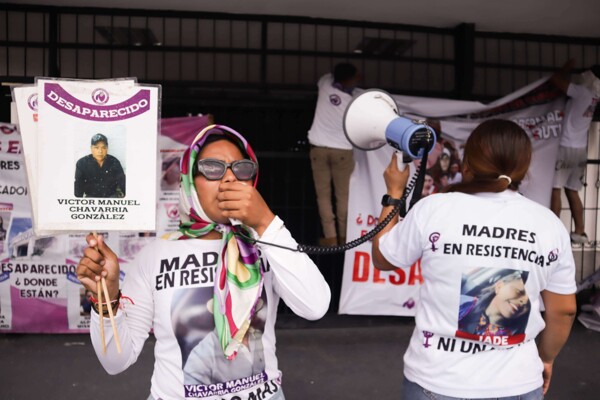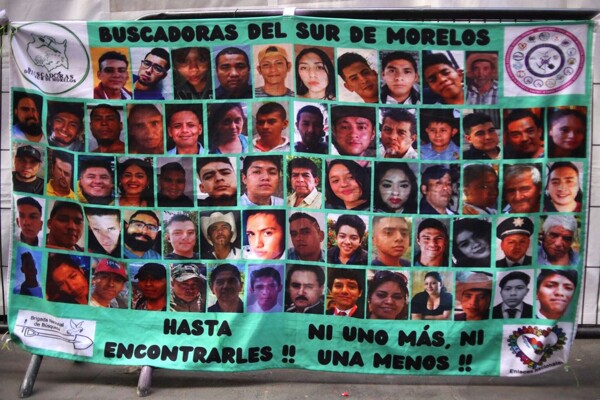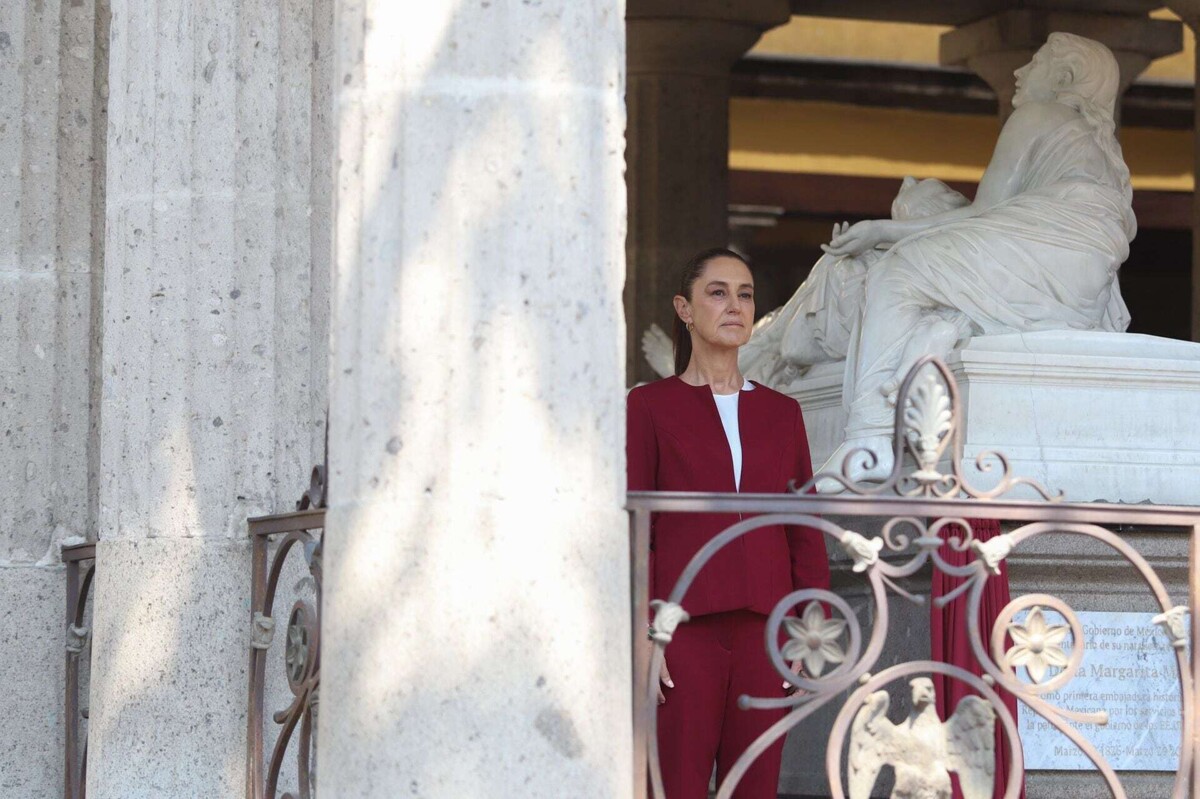
This news shows a self-absorbed government (in AMLO's own words) that, through a PowerPoint presentation, directs victims to complain in Bucareli, and the public to debate while the president boasts about the Felipe Ángeles International Airport (AIFA). Under AMLO, at least, courtesy was extended to the collective that received unique attention: whenever there was something to report to the mothers and fathers of the Ayotzinapa students, they were informed first, and then society. President Sheinbaum forgets her mandate in the tragedy of disappearances. And to inform them first and to their satisfaction. If this regime can register families that require support, what would it cost to create a census of all and every one of those searching for a loved one, and then to publicly manage, on one hand, the activation of the file and, on the other, the official search for each case. Not doing so, and pretending that the UN's statements from last week, which urge Mexico to receive help to deal with indications of crimes against humanity in forced disappearances, are 'biased,' only further undermines their new PowerPoint. President Sheinbaum urgently needs the territory of the mothers of these other poor people, the disappeared, and has far too much Excel. Because these victims and their families will not accept the un-Christian statistical burial that the government intends with its new three categories. As is known, the government now groups the disappeared into at least three segments: those with 'insufficient data' (46,742 or 36%); others with 'activities and records' after their disappearance (40,308 or 31%) and the 'inactive' (43,128 or 33%). Achieving those categories—even if one concedes that the official count of those victims has problems dating back to several six-year terms—will be of little use if the main affected parties, the families and the search collectives, do not recognize it as progress. The registry reflects a Presidency occupied with its image. More than searching for people, it scrapes statistics; it is dedicated to cross-referencing databases, not to listening—let alone accompanying—the searchers. The other part of the effort, it must be added immediately, is spent unleashing the CNDH (National Human Rights Commission) against the UN and on overreacting rather than processing the United Nations report from last week that alerted to indications of crimes against humanity in forced disappearances. If form is substance, one must begin to regret that the president chose the Friday before the holiday period to announce her modifications and update to the National Registry of Missing and Unlocated Persons (RNPDNO). Does this government, which seeks to appropriate the term 'humanist' for itself, really believe that it can cover up the mandatory attention to the tragedy that afflicts tens of thousands of families with a single sweep? It has become fashionable to ask who helps the president. Sorry, but in that sweep—the attempt to make the controversy over the new disappeared registry fade away during Holy Week—there is no room to believe it was an oversight, a mistake, or an agenda problem for someone very, very busy. The media design of this statistical sweep was, to say the least, deplorable. Listen to them and assist them. She must open the Palace to the hundreds of groups that for years have suffered institutional abandonment in the search for their loved ones. The government of Claudia Sheinbaum's effort in the humanitarian tragedy of disappearances consists of an Excel spreadsheet. And it is futile. She.