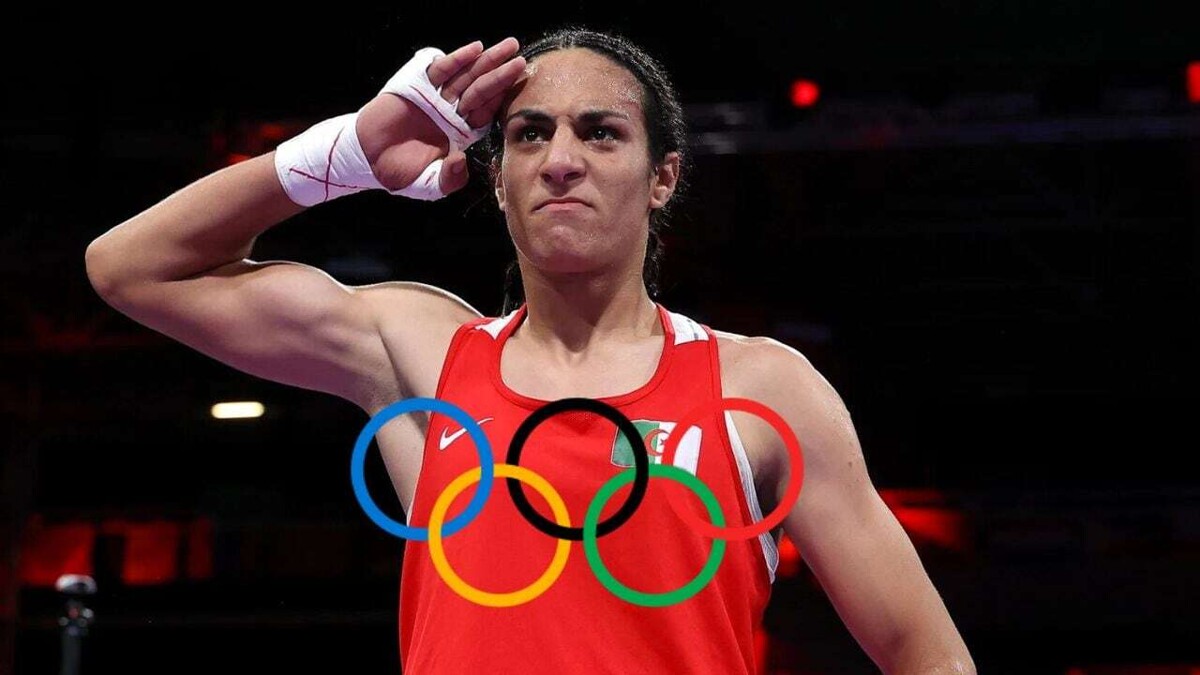
The International Olympic Committee (IOC) has announced a new policy that will significantly change participation in Olympic sports by establishing that only biological women will be able to compete in women's disciplines. This measure will come into effect from the 2028 Los Angeles Olympic Games and responds to a global debate that has gained momentum in recent years. What is the objective? The new regulation was approved by the IOC Executive Committee and aims, according to the body, to guarantee equity, safety, and integrity in female sports competition. With this change, the IOC moves away from the previous model, in which each international federation could define its own criteria for the participation of transgender athletes or those with differences in sexual development. Genetic Tests One of the most relevant points of this policy is the implementation of a scientific criterion to determine eligibility. Athletes will have to undergo a genetic test that detects the presence of the SRY gene, associated with male biological development. To compete in the female category, the result must be negative. This test will be carried out only once in each athlete's life and can be done through saliva or blood samples. In the event of a positive result, female athletes will not be able to participate in female events, but they will have the possibility to compete in male or mixed categories. Exceptions and Specific Cases The IOC contemplates some limited exceptions, such as in cases of uncommon medical conditions, for example complete androgen insensitivity syndrome, as long as there is no competitive advantage derived from testosterone. However, in general terms, the rule excludes transgender athletes with XY chromosomes from the female category in the Olympic Games. The IOC's decision comes after years of controversy surrounding the participation of transgender athletes in female competitions, as well as media cases that generated debate during recent Olympic editions. According to the organization, even small physical differences can be decisive in high performance, which is why they consider it necessary to establish uniform criteria based on scientific evidence. Scope of the Measure The new policy will apply only to competitions organized by the IOC, such as the Olympic Games, and will not have retroactive effects or impact recreational or grassroots sports. With this decision, the IOC redefines the rules of high-performance sports and opens a new chapter in the debate between inclusion and equity, a topic that will continue to generate discussion at the international level in the coming years.