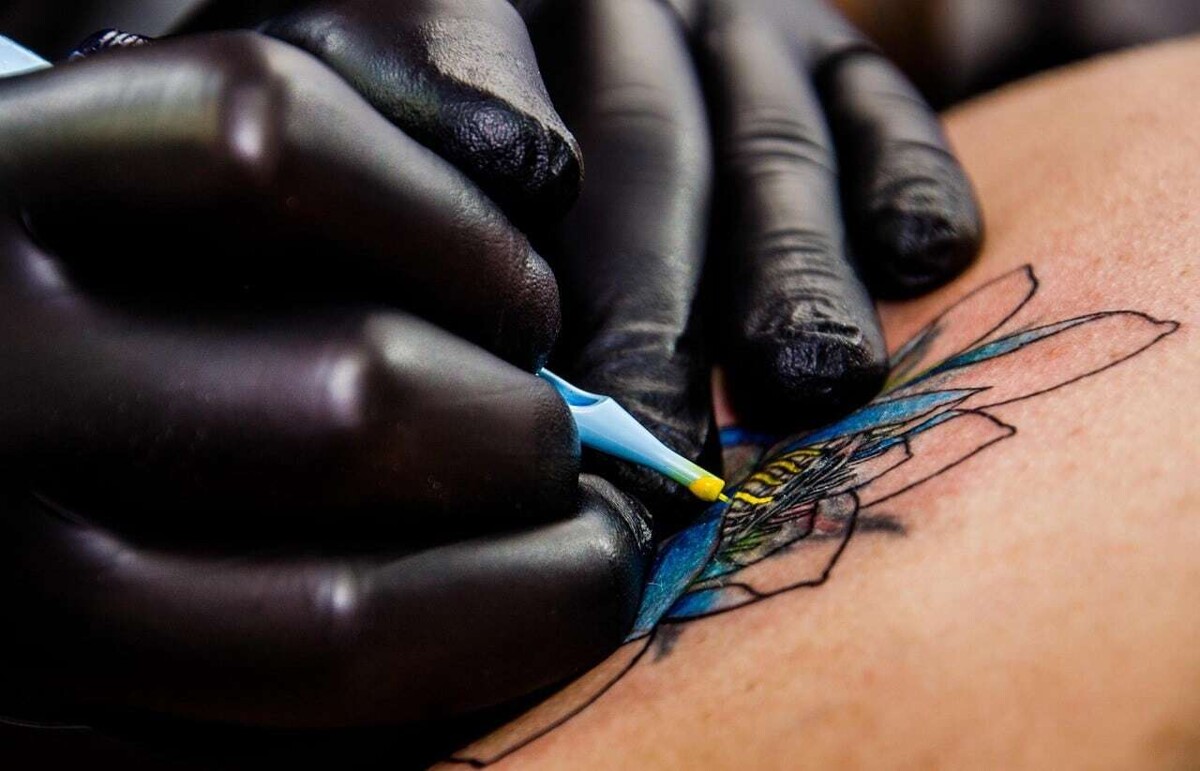
The rise of tattoos in Guanajuato has already triggered health alerts: over 200 establishments operate in the state, and several present irregularities, mainly due to a lack of health control and improper handling of hazardous waste. The Guanajuato Health Secretariat detected that among the most common failures is the absence of the Sanitary Control Card and the lack of an adequate plan for managing biological-infectious waste (BIW), crucial for preventing infections. The data hits hard: in a growing practice—tattoos, piercings, and micropigmentation—not all spaces guarantee safe conditions. The document that makes the difference. The Sanitary Control Card is no minor procedure. It is the document that certifies that the tattoo artist or piercer has training, knows hygiene protocols, and complies with health standards. Without this backing, the risk shifts directly to the skin: infections, adverse reactions, or exposure to contaminated material. Additionally, during inspections, it is verified that studios have a notice of operation, informed consent, user registration, and protocols for minors. What every studio must comply with. Inspections also focus on the basics—and the critical—sterile, single-use materials, properly sterilized equipment, biocompatible inks with labeling and expiration dates, and suitable containers for hazardous waste. This is not a technical detail: it is the line between a safe procedure and a health risk focus. Growing demand, growing oversight. The state Secretary of Health, Gabriel Cortés, warned that the increase in demand for these services requires strengthening supervision and, above all, for users to verify where they are being treated. The message is direct: the design is not enough, the place matters. Because in Guanajuato, tattooing is already part of urban culture, but also a public health issue.