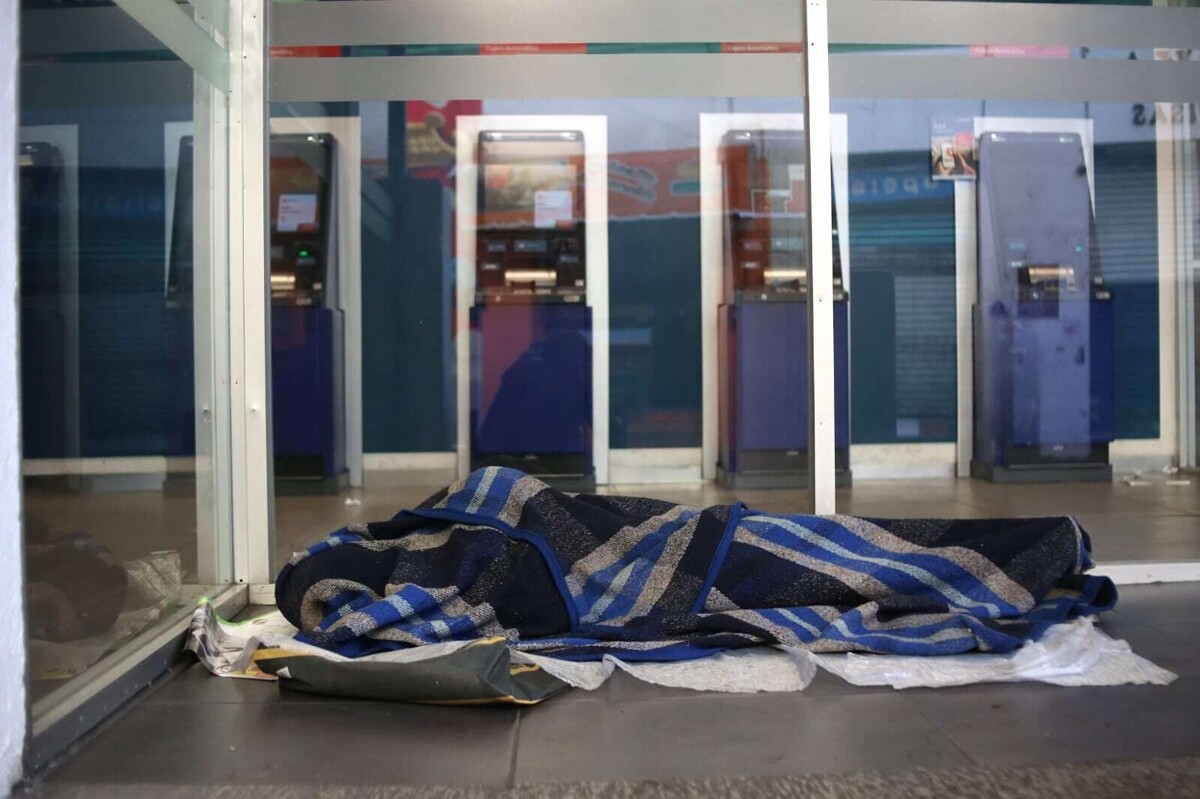
The Monterrey Secretariat of Security and Citizen Protection is intensifying the 'Rastrillo' Operation to reduce crime and violence rates in the city's First District. This strategy focuses on the identification and biometric registration of people experiencing homelessness, with a particular emphasis on the migrant population involved in illicit activities. Eduardo Sánchez Quiroz, the police chief, revealed that last year, approximately 9,700 people in situations of indigence were removed from the streets, of which 2,670 were migrants. What is alarming, he pointed out, is that 147 of these foreign citizens were linked to high-impact crimes such as homicides, drug trafficking, and serious injuries. Registration as a control tool Sánchez Quiroz explained that the process of detention for administrative offenses or citizen reports allows authorities to create a database that did not previously exist. 'So far this year, we have removed 3,526 people from the streets to keep them in cells so that we can take their biometrics, create files,' stated Sánchez Quiroz. He highlighted that this registration also serves to identify people in case of death or accidents. The police chief explained the effectiveness of this preventive 'census'. 'The Rastrillo Operation works because we remove them from the spot and book them, and we find out who they are,' he detailed. 'This measure seeks to respond to recent violent attacks on pedestrians and homicide cases where the participation of foreigners has been detected'. Criminal profile by nationality According to the corporation's data, a criminal behavior pattern has been identified based on the detainees' nationality. Sánchez Quiroz detailed that of the 147 migrants detained for serious crimes last year, nearly 95 are of Honduran nationality and show a tendency towards more violent crimes. 'We have a serious problem with the violence that Honduran citizens are developing here in the municipality of Monterrey,' warned the commissioner. Colombian citizens, he added, are often linked to fraud and 'drop-by-drop' loan schemes, while Venezuelans have been mainly detected in vehicle thefts and fraud. The security strategy is supported by a direct communication network with residents and merchants in the city center. Through neighborhood chats with jewelers, notaries, and residents, the police receive immediate reports of aggressive individuals or those consuming drugs in public spaces to proceed with their immediate removal, keeping them in administrative custody for up to 36 hours. Sánchez Quiroz stated that public security is only part of the solution. The police command called on the three levels of government to create dignified shelters. 'What I have always been asking for is that a place be created where they can have a shelter, where they can have a quality of life situation... where they receive a meal, where they have a bed to sleep in,' he said. Currently, the corporation maintains an average of eight migrant arrests for crimes per month, and will continue to use biometric registration as the main tool to identify and deter those who intend to commit crimes while remaining anonymous on the streets.