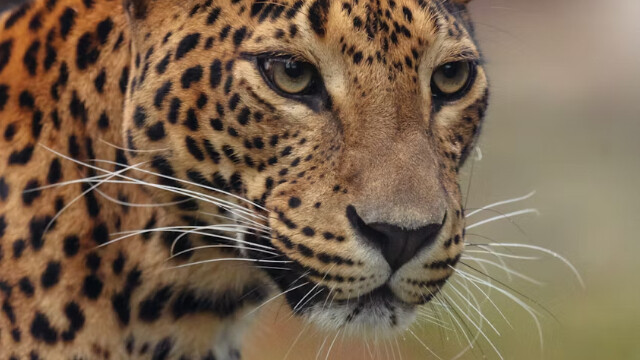
The ancient Maya civilization viewed dance not merely as an art form, but as a profound ritual to connect with the forces of nature. In their cosmology, the jaguar, known as Balam, was a spiritual warrior and guardian of the forest. Its symbolism encompasses the strength of a warrior, the wisdom of a shaman, and the purity of a soul seeking rebirth. Participants in the ritual 'Dance of the Jaguar' sought to connect with its power to gain inner strength, courage, wisdom, and the ability to overcome fear.
Every movement, rhythm, and breath within this dance is an invitation to remember our wild and sacred nature, that inner part which connects with the cycles of life and the mystery of the universe. The jaguar teaches that true strength is not imposed, but embodied from serenity and respect. The Dance of the Jaguar is much more than a simple artistic expression; it represents a deep spiritual, ancestral, and symbolic connection with nature, the gods, and cosmic energy. During the dance, participants imitate the jaguar's movements, postures, and attentive gaze, reminding us that humans are part of the same natural cycle.
This ritual dance is an expression of respect, balance, and communication with the invisible forces of the universe. In various pre-Columbian cultures, the jaguar was considered a sacred animal, a symbol of power, bravery, fertility, and transformation. Its figure played a key role in the mythology of Mesoamerica and South America, representing introspection, mastery over fear, and personal transformation. In shamanic traditions, it was believed that the jaguar's spirit accompanied the initiate on their inner journeys, helping them confront their shadows and awaken their inner power.
Today, the Dance of the Jaguar is valued as part of the intangible heritage of indigenous peoples. In schools and cultural spaces, its study helps to preserve the spiritual values that guided ancient civilizations. Moreover, it has become a symbol of cultural resistance, a way of keeping the indigenous worldview alive in the face of modernity and globalization. Practicing this dance, even symbolically, can help release emotional tension, awaken intuition, and strengthen the connection with the earth and its natural cycles.