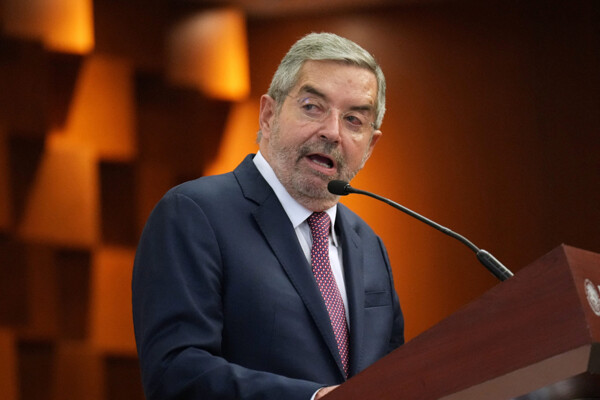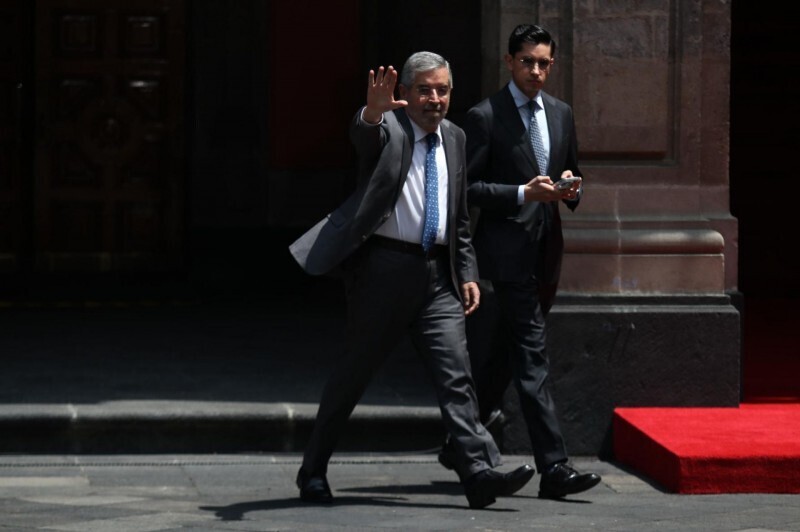
The Mexican government and its counterparts in the European Union are advancing to finally materialize the modernization of the Global Agreement after nearly eight years of negotiation. However, uncertainty about the new judicial framework in the country and changes in the energy sector complicate the final stretch of these negotiations. Just as happened in 2017, then within the framework of the renegotiation of NAFTA, both regions are accelerating talks to renew this agreement, which dates back to the year 2000, although now facing the review of USMCA and trade tensions with the United States, which again poses the challenge of diversifying trading partners. The Mexican government hopes to sign a renewed agreement with the European Union by February after a meeting this Monday between Foreign Minister Juan Ramón de la Fuente and European lawmakers. But according to a source consulted, the proposals were not well received by the Mexican side, mainly because they reflect the problems arising from these reforms and changes to the energy sector during the previous six-year term. Mexico and the European Union have for years sought to materialize this agreement, which in 2024 allowed a commercial exchange between the two regions of over 82 billion euros. However, for several six-year terms, it has been bogged down by various issues, such as labeling standards during Enrique Peña Nieto's term and the energy issue under López Obrador. The objective of this new review is to update the chapters on trade, political cooperation, and sustainable development, in order to achieve broader integration amid the trade tensions unleashed by Donald Trump's policies. But the outcome was not as smooth as expected, as two issues that are still blocking the agreement remain: the reform of the judiciary and the amparo law, according to a source with direct knowledge of these talks. The formation of Mexico's new judicial framework causes a high degree of uncertainty in the European business sector, so the authorities have raised the possibility of establishing an international body to resolve conflicts in case of any dispute. Ebrard assured business leaders that USMCA will survive: "No other decision is in sight." One proposal put on the the table were arbitration tribunals in Paris, especially for energy companies. The other option put on the table is to establish the International Centre for Settlement of Investment Disputes (ICSID) as the seat for resolution.